
 By Caleb Morgan
Updated November 2026
A metal cutting miter saw blade lets you cut aluminum, copper, brass and some steel on a saw that was built for wood. The right pick depends on the metal, the blade diameter your saw accepts, the arbor size, and how clean an edge you need. The six blades below were chosen by comparing listing specifications, brand reputation and common owner feedback. None were tested in a shop by us.
Selection criteria: blade diameter and arbor compatibility, tooth count and grind, the metals each blade is rated for, and whether the blade is designed for chop or miter saw use.
Our top picks at a glance
- 1
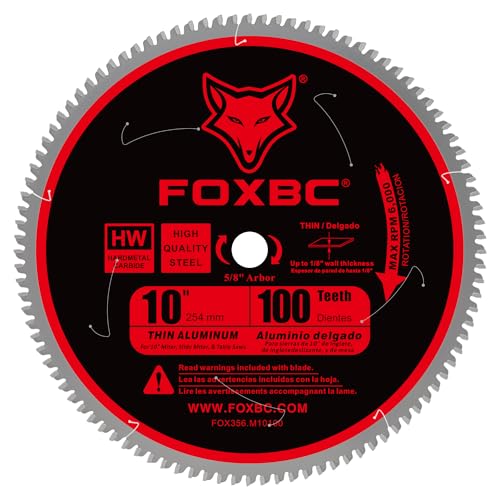 TOP CHOICEBest overallFOXBC 10-Inch Saw Blade 100-Tooth TCG for Aluminum and Non-Ferrous Metal CuttingView on Amazon
- 2
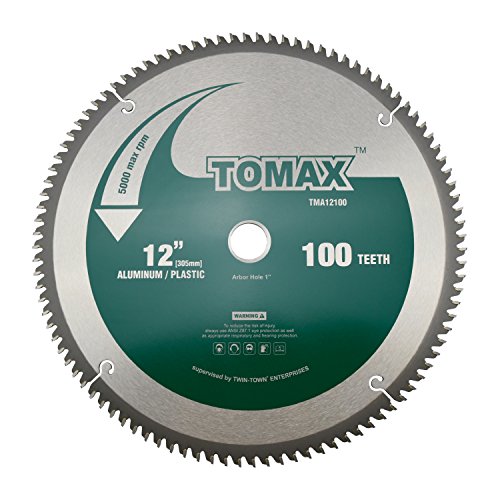 TOP CHOICEBest for thick aluminumTOMAX 12-Inch 100 Tooth TCG Aluminum and Non-Ferrous Metal Saw BladeView on Amazon
- 3
 TOP CHOICEBest for general metal shopsTOMAX 10-Inch 80 Tooth TCG Aluminum and Non-Ferrous Metal Saw BladeView on Amazon
- 4
 Best for smooth finish workTOYAKI 10-Inch Miter Saw Blade, TCG Aluminum Working 120-Tooth Ultra-Fine FinishView on Amazon
- 5
 Best for steel and ferrous metalTWIN-TOWN 12-Inch 60 Teeth Steel and Ferrous Metal Cermet Saw BladeView on Amazon
- 6
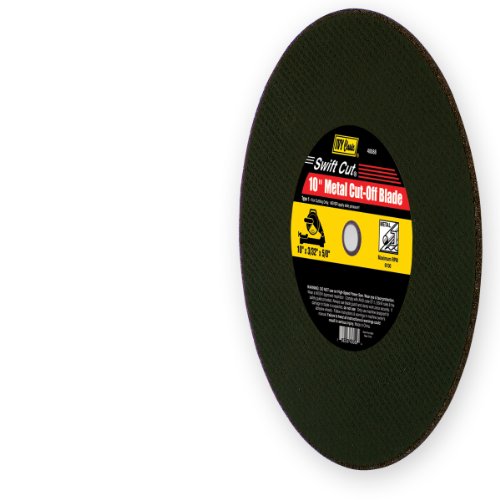 Best for quick cut-off jobsIVY Classic 40088 Swift Cut 10-Inch x 3/32-Inch x 5/8-Inch Arbor, MetaView on Amazon
Our Top Picks
Quick Comparison
| Product | Best for | Key feature |
|---|---|---|
| FOXBC 10-Inch Saw Blade 100-Tooth TCG | Overall metal cutting | 100 teeth, TCG grind |
| TOMAX 12-Inch 100 Tooth TCG Aluminum Blade | Thick aluminum | 12-inch, 1-inch arbor |
| TOMAX 10-Inch 80 Tooth TCG Aluminum Blade | General metal shops | 80 teeth, 5/8-inch arbor |
| TOYAKI 10-Inch Miter Saw Blade 120-Tooth | Smooth finish work | 120 teeth, ultra-fine |
| TWIN-TOWN 12-Inch 60 Teeth Cermet Blade | Steel and ferrous metal | Cermet tips, 60 teeth |
| IVY Classic 40088 Swift Cut Metal Blade | Quick cut-off jobs | Thin kerf, cut-off design |
FOXBC 10-Inch Saw Blade 100-Tooth TCG for Aluminum and Non-Ferrous Metal Cutting
FOXBC 10-Inch Saw Blade 100-Tooth TCG for Aluminum and Non-Ferrous Metal Cutting with 5/8-Inch Arbor
Best for: Overall metal cutting on a 10-inch miter saw
A solid all-round choice for owners who cut aluminum profiles and non-ferrous stock on a 10-inch saw with a 5/8-inch arbor.
Pros:
- High tooth count suits clean aluminum edges
- 5/8-inch arbor fits common 10-inch saws
Cons:
- Not intended for ferrous steel
TOMAX 12-Inch 100 Tooth TCG Aluminum and Non-Ferrous Metal Saw Blade
TOMAX 12-Inch 100 Tooth TCG Aluminum and Non-Ferrous Metal Saw Blade with 1-Inch Arbor
Best for: Thick aluminum on a 12-inch saw
Suited to owners with a 12-inch miter saw who regularly cut heavier aluminum stock and want a larger diameter for deeper cuts.
Pros:
- 12-inch diameter for deeper capacity
- 100 teeth for controlled aluminum cuts
Cons:
- Requires a saw that accepts a 12-inch blade
TOMAX 10-Inch 80 Tooth TCG Aluminum and Non-Ferrous Metal Saw Blade
TOMAX 10-Inch 80 Tooth TCG Aluminum and Non-Ferrous Metal Saw Blade with 5/8-Inch Arbor
Best for: General metal work in a home shop
A practical middle-ground blade for hobbyists and small shops that switch between aluminum, copper and brass.
Pros:
- 80 teeth balances speed and finish
- Common 10-inch size with 5/8-inch arbor
Cons:
- Edges are less refined than the 120-tooth option
TOYAKI 10-Inch Miter Saw Blade, TCG Aluminum Working 120-Tooth Ultra-Fine Finish
TOYAKI 10-Inch Miter Saw Blade, TCG Aluminum Working 120-Tooth Ultra-Fine Finish Professional Saw Blade for Miter Saws Table Saws and Circular Saws,Arbor 5/8-inch(16mm)
Best for: Smooth finish work on thin aluminum
Aimed at users who care most about edge quality, such as visible trim or sign frames, and who cut thinner stock.
Pros:
- 120 teeth for a very fine finish
- Works on miter saws, table saws and circular saws
Cons:
- Slower feed rate on thick material
TWIN-TOWN 12-Inch 60 Teeth Steel and Ferrous Metal Cermet Saw Blade
TWIN-TOWN 12-Inch 60 Teeth Steel and Ferrous Metal Cermet Saw Blade with 1-Inch Arbor
Best for: Steel and other ferrous metals
Fits owners who need to cut steel bar or tube on a 12-inch saw rather than aluminum-focused work.
Pros:
- Cermet tips are rated for ferrous metal
- 12-inch diameter with 1-inch arbor
Cons:
- Not suited to fine aluminum finish cuts
Buying Guide
Blade Diameter and Arbor Size
Before anything else, check the diameter your saw accepts and the arbor hole size. A 10-inch blade will not fit a saw built for 12-inch blades, and a mismatched arbor can make the blade unsafe to run. Most listings state the arbor size clearly, so match it to your saw’s spindle, and use reducer rings only when the manufacturer approves them.
Tooth Count and Grind
Higher tooth counts generally produce a smoother, cleaner cut, which is why the 100- and 120-tooth options suit finish work on aluminum. Lower tooth counts, like the 60-tooth steel blade, remove material faster and handle thicker ferrous stock with less strain. The TCG grind is common for cutting non-ferrous metals because it holds up well on aluminum and copper.
Which Metal You Are Cutting
Aluminum, copper, and brass are non-ferrous metals and call for a different blade than steel. Cermet-tipped blades are generally rated for ferrous metals such as steel, while TCG blades are aimed at aluminum and other non-ferrous stock. Using the wrong blade for the metal can dull teeth quickly, leave rough edges, or overheat the cut.
Chop Saw Versus Miter Saw Use
Some blades are labeled for chop saws, the abrasive or cut-off style of machine that often pairs with metal work, while others are sized and toothed for a standard miter saw. Confirm the blade is rated for the type of saw you own. Running a blade outside its intended use can cause kickback or uneven cuts, so read the product details carefully.
Desired Edge Quality
If you need a polished, burr-free edge for visible trim or fine fabrication, a high tooth count blade is the better fit. If you mostly need quick rough cuts on structural metal, a lower tooth count with a more aggressive cut will save time. Deciding on the finish you need first makes the choice among these six much easier.
FAQ
Can I cut steel with an aluminum blade?
Aluminum-focused TCG blades are not designed for steel and can dull or chip quickly when used on ferrous metal. For steel, look for a blade specifically rated for ferrous metals, such as the cermet option listed above. Matching the blade to the metal protects both the blade and your saw.
What does TCG mean on a blade?
TCG stands for triple chip grind, a tooth geometry commonly used on blades meant for non-ferrous metals. It helps the blade cut cleanly through materials like aluminum and copper. Blades with this grind are typically marketed for metal rather than wood.
Do I need a coolant or lubricant when cutting metal?
Many metal cuts benefit from a cutting lubricant or wax, which reduces heat, buildup, and friction on the teeth. Always check the blade and saw manufacturer’s guidance before cutting. Lubricant can also help you get a cleaner edge on aluminum.
Will a higher tooth count always give a better cut?
Higher tooth counts usually give smoother finishes, but they also cut more slowly and generate more heat on thick stock. For thick or heavy metal, a lower tooth count may perform better. The best choice depends on the material thickness and the finish you need.
How do I know if a blade fits my saw?
Check your saw’s maximum blade diameter, arbor size, and kerf requirements against the listing before buying. Your saw’s manual will list the accepted blade specifications. If the numbers do not line up exactly, do not force the fit.
Conclusion
For fine finish work on aluminum, the higher tooth count blades are the strongest fit, especially if your saw takes a 10-inch blade and you want a very smooth edge. For larger aluminum and non-ferrous jobs on a 12-inch saw, the 100-tooth 12-inch option is the logical choice. Mixed metal work and steel call for the cermet blade, which is built for ferrous material.
Match the blade to your saw’s diameter and arbor first, then to the metal you cut most often. If you cut both steel and aluminum regularly, keep two blades on hand so each job gets the right tooth design.
Related reading
- Miter Saw to Cut Metal: Blade, Setup and Safety Steps That Work
- Miter Saw Metal Blade: How to Pick and Use One Safely (2026)
- Metal Cutting Miter Saw: A Step-by-Step Guide for Beginners
- Blade to Cut Metal for Miter Saw (2026): Which Should You Choose?
About Caleb Morgan
Caleb Morgan is part of our editorial team and reviews and edits our power tools guides, checking product details against manufacturer specifications and owner feedback.




