
 By Caleb Morgan
Updated November 2026
Choosing a steel cutting miter saw comes down to a few practical questions: how thick the stock is, whether you need a dry cut or a wet one, how much angle adjustment you want, and whether the saw can handle long days of cutting without overheating. The picks below are based on manufacturer specifications, product listings and common owner feedback patterns, not on our own bench testing. We weighed blade size, motor and build, cut-angle range, and how well each model suits steel versus mixed materials.
Our top picks at a glance
- 1
 TOP CHOICEBest overallEvolution S14MCS 14" Mitering Chop SawView on Amazon
- 2
 TOP CHOICEBest for heavy bar stockEvolution S15CPS 15" Heavy-Duty Metal Cutting Chop SawView on Amazon
- 3
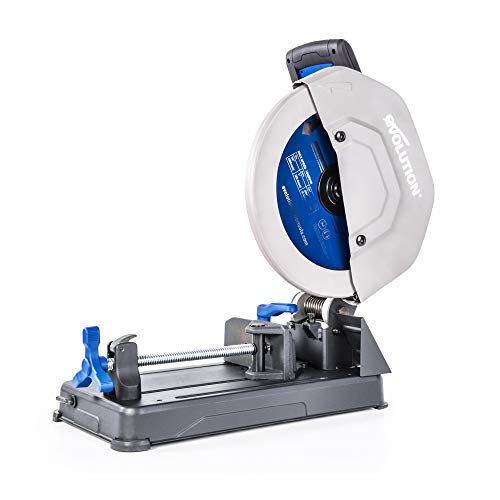 TOP CHOICEBest for dry cuttingEvolution S355CPSL Heavy Duty 14 Inch Metal Cutting Chop SawView on Amazon
- 4
 Best for mixed materialsEvolution Power Tools R255SMS-DB+ 10-Inch Dual Bevel Sliding Miter SawView on Amazon
- 5
 Best budget pickVEVOR Chop Saw, 14-inch/355mm Blade Diameter Cut Off SawView on Amazon
- 6
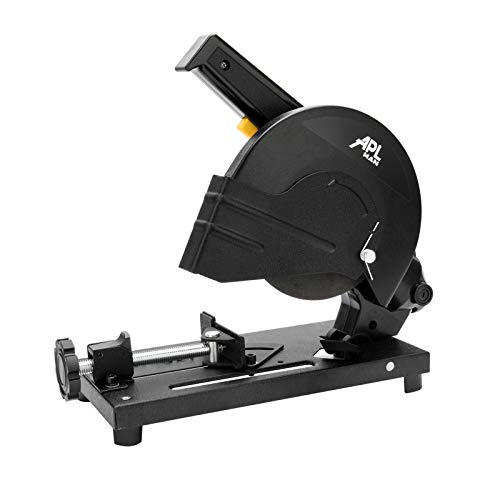 Best compact optionAPLMAN 6 Inch Cut off Saw Metal Cutting Chop Saw Miter Saw 45° Angle iView on Amazon
Our Top Picks
Quick Comparison
| Product | Best for | Key feature |
|---|---|---|
| Evolution S14MCS 14″ Mitering Chop Saw | Overall metal work | Burr-free finish |
| Evolution S15CPS 15″ Heavy-Duty Metal Cutting Chop Saw | Heavy bar stock | 15″ blade capacity |
| Evolution S355CPSL Heavy Duty 14 Inch Metal Cutting Chop Saw | Dry cutting | Carbide-tipped blade |
| Evolution Power Tools R255SMS-DB+ 10-Inch Dual Bevel Sliding Miter Saw | Mixed materials | Dual bevel range |
| VEVOR Chop Saw 14-inch | Budget shops | 0–45° adjustment |
| APLMAN 6 Inch Cut off Saw | Small jobs | Compact footprint |
Evolution S14MCS 14″ Mitering Chop Saw
Evolution S14MCS 14" Mitering Chop Saw | Cold Cut Steel Saw | EVOMAX Intelligent Motor & Blade | 3500+ Blade Life | Burr-Free Finish | Shadow Guide | +/-46° Miter | Soft Start | Reinforced Base
Best for: Overall steel cutting with clean finishes
This suits fabricators and shop owners who cut steel regularly and want a clean, square edge with minimal cleanup. The listing highlights a shadow guide and a +/-46° miter range.
Pros
- Burr-free finish is specified by the manufacturer
- Shadow guide and soft start aid accuracy and control
Cons
- Heavier than compact cut-off saws
Evolution S15CPS 15″ Heavy-Duty Metal Cutting Chop Saw
Evolution S15CPS 15" Heavy-Duty Metal Cutting Chop Saw | 3,500+ Cuts with EVOMAX14ST Blade | 15" Blade Compatible | Industrial Power Saw, Soft Start Motor, E-Brake, Precision Shadow Line Guide
Best for: Heavy bar stock and thick sections
Best suited to users who regularly cut thick angle iron or solid bar and need the extra blade diameter. Listings reference a 15″ blade and an electric brake.
Pros
- 15″ blade capacity for larger sections
- E-brake helps stop the blade quickly
Cons
- Larger footprint needs more bench space
Evolution S355CPSL Heavy Duty 14 Inch Metal Cutting Chop Saw
Evolution S355CPSL – Heavy Duty 14 Inch Metal Cutting Chop Saw W/ 14 Inch Carbide-Tipped Blade | Dry Cut | Miter 45° | Chop Saw For Cutting Metal – Accurate. Powerful. Reliable
Best for: Dry cutting without coolant
A good match for shops that prefer dry cutting and want to avoid the mess of coolant. The listing pairs a carbide-tipped blade with a 45° miter capability.
Pros
- Designed for dry cut operation
- Carbide-tipped blade included
Cons
- Blade life depends heavily on material and feed rate
Evolution Power Tools R255SMS-DB+ 10-Inch Dual Bevel Sliding Miter Saw
Evolution Power Tools R255SMS-DB+ 10-Inch Dual Bevel Sliding Miter Saw Multi-Material, Multipurpose Cutting Cuts Metal, Plastic, Wood 45˚-45˚ Double Bevel & 50˚-50˚ Miter TCT Blade Included
Best for: Mixed materials including steel and wood
This fits shops that switch between metal, plastic and wood and want one sliding saw for all of them. Listings describe a dual bevel range and a TCT blade included.
Pros
- Dual bevel range covers multiple cut angles
- Multi-material capability in one tool
Cons
- 10″ blade limits thick steel capacity
VEVOR Chop Saw, 14-inch/355mm Blade Diameter Cut Off Saw
VEVOR Chop Saw, 14-inch/355mm Blade Diameter Cut Off Saw, 2800W 1200RPM | For Steel, Iron, Aluminum, 0-45° Adjustable, Efficient Cutting, Smooth Section, Stable Clamping, Secure Operation, Black
Best for: Budget-conscious shops and hobbyists
A budget pick for hobbyists and small shops that need a 14-inch chop saw for steel, iron and aluminum without a premium build. Listings specify 0–45° adjustment and stable clamping.
Pros
- 0–45° adjustment covers common cuts
- Stable clamping is specified in the listing
Cons
- Build quality reports vary among owners
Buying Guide
Blade Diameter and Maximum Cut Capacity
Blade size sets how thick a piece of steel or rebar you can cut in one pass. Models with 14-inch or 15-inch blades generally handle larger stock and heavier structural material, while a 10-inch blade suits lighter profiles and mixed-material work.
Check the stated capacity for both square and round stock before you buy, since the numbers can differ a lot.
Dry Cut Versus Abrasive Cut Design
Many steel cutting saws use abrasive or carbide-tipped blades that run dry, which keeps the setup simple and portable. Confirm whether a model is built for dry cutting, because some blade types and guards are designed for specific cutting methods.
Pay attention to dust and spark control as well, since steel cutting throws hot debris that can be a fire and eye hazard in a shop.
Motor Power, Speed and Overheating Protection
A stronger motor with a steady RPM rating helps the blade stay engaged in dense metal without bogging down. Features such as soft start and electric braking reduce kickback and make the blade stop faster after a cut.
If you plan to cut for long stretches, look for a motor and housing that manage heat well, since frequent stalling and overheating shorten both tool and blade life.
Miter and Bevel Range
Consider how much angle adjustment you need. A wide miter range and a dual bevel feature give you more cutting options for frames, brackets and angled joints, while a fixed 45-degree setup may be enough for straight, repetitive cuts.
Also check how firmly the saw locks at common angles, since loose detents can affect accuracy on steel work.
Base Stability and Clamping
Steel cutting produces vibration and force, so a reinforced base and secure clamping are important for both safety and clean results. A stable base also helps keep the cut square and reduces the chance of the workpiece shifting mid-cut.
If you work on a bench or in the field, look at mounting options and the overall footprint so the saw fits your space.
FAQ
Can a steel cutting miter saw also cut wood or plastic?
Some models are designed for multi-material use, including wood and plastic, while others are built specifically for metal. Check the product description and blade type to confirm which materials the saw is rated to cut.
Do I need to use coolant when cutting steel?
Many of these saws are designed for dry cutting, so coolant is not always required. Follow the manufacturer’s guidance for your specific model and blade, since some setups recommend lubrication for longer blade life.
What blade type is best for cutting steel?
Carbide-tipped and abrasive blades are common choices for steel, with each suited to different thicknesses and cutting speeds. Match the blade to the material you cut most often and replace it when cuts slow down or burn the workpiece.
How do I keep the cut clean and burr-free?
Use a sharp blade, feed the material steadily without forcing it, and secure the workpiece firmly before cutting. Deburring the edge afterward with a file or grinder finishes the job neatly.
Is a larger blade always better for metal work?
A larger blade handles bigger stock, but it is not automatically the right choice for every job. Smaller blades can be easier to control and more practical for light profiles, thin tubing and tight spaces.
Conclusion
For heavy structural steel, rebar and frequent production cutting, the 14-inch and 15-inch chop saws with strong motors and reinforced bases are the best fit. Buyers who need angled cuts for frames or brackets will benefit most from a mitering model with a wide range of adjustment.
For lighter metal work, mixed materials or a more compact shop setup, the 10-inch dual bevel saw or the smaller cut-off saw offers flexibility without the bulk of a larger machine. Match the blade size, cutting method and angle range to your most common projects to make the right choice.
Related reading
- Steel Blade for Miter Saw: How to Choose and Use One Safely (2026)
- Ryobi Sliding Miter Saw: Setup, Cutting Tips and Buying Guide (2026)
- Miter Saw for Cutting Molding: A Step-by-Step Guide for Clean Joints
- Miter Saw Stands, Cutting Guides and Sawhorses
About Caleb Morgan
Caleb Morgan is part of our editorial team and reviews and edits our power tools guides, checking product details against manufacturer specifications and owner feedback.




