
 By Caleb Morgan
Updated November 2026
If you are shopping for a kobalt miter saw 7-1/4, the choice usually comes down to three things: whether you need a single or dual bevel, whether you want a cordless or corded tool, and how much work you plan to do on trim versus framing lumber. The picks below are based on product listings, brand reputation and common owner feedback patterns, and they are ordered by how closely each one matches those criteria. For another angle, check out 6 Best Miter Saw Blade DeWalt Options for Clean Cuts (2026).
Our top picks at a glance
- 1
 TOP CHOICEBest overallDEWALT 20V MAX* 7-1/4-Inch Miter Saw, CordlessView on Amazon
- 2
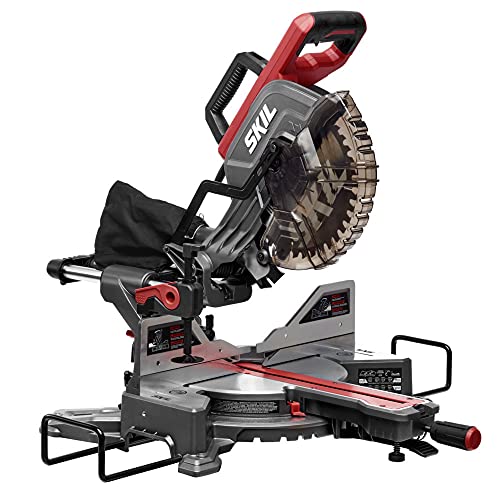 TOP CHOICEBest for dual-bevel trim workSKIL 10" Dual Bevel Sliding Compound Miter SawView on Amazon
- 3
 TOP CHOICEBest for a compact single-bevel sawSKIL 10 Amp 7-1/4" Single Bevel Miter SawView on Amazon
- 4
 Best budget pickHoteche 7-1/4-Inch Miter SawView on Amazon
- 5
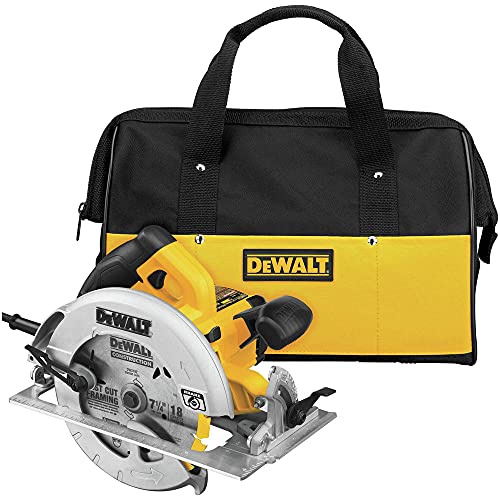 Best for general crosscutsDEWALT Circular Saw, 7-1/4 inch, PivotingView on Amazon
- 6
 Best for jobsite portabilityBosch CS10 7-1/4 In. Circular SawView on Amazon
Our Top Picks
| Product | Best for | Key feature |
|---|---|---|
| DEWALT 20V MAX* 7-1/4-Inch Miter Saw, Cordless | Jobsite flexibility | Runs on 20V MAX batteries |
| SKIL 10″ Dual Bevel Sliding Compound Miter Saw | Dual-bevel trim work | Bevels left and right |
| SKIL 10 Amp 7-1/4″ Single Bevel Miter Saw | Compact single-bevel cuts | Compact rail system |
| Hoteche 7-1/4-Inch Miter Saw | Budget pick | Built-in laser guide |
| DEWALT Circular Saw, 7-1/4 inch, Pivoting | General crosscuts | Pivots up to 57-degree bevel |
| Bosch CS10 7-1/4 In. Circular Saw | Portable site work | Lightweight body design |
DEWALT 20V MAX* 7-1/4-Inch Miter Saw, Cordless
DEWALT 20V MAX* 7-1/4-Inch Miter Saw, Cordless (DCS361M1)
Best for: Jobsite flexibility
This suits anyone who already owns DEWALT 20V MAX batteries and wants a saw that moves around a site without a cord.
Pros
- Runs on the shared 20V MAX battery platform
- No extension cord needed on remote cuts
Cons
- Runtime depends on battery capacity
SKIL 10″ Dual Bevel Sliding Compound Miter Saw
SKIL 10" Dual Bevel Sliding Compound Miter Saw-MS6305-00
Best for: Dual-bevel trim work
Best for trim carpenters and DIYers who cut crown or base molding and want to bevel in both directions without flipping stock.
Pros
- Bevels left and right, reducing setup time on molding
- Sliding design handles wider boards
Cons
- Larger footprint than single-bevel saws
SKIL 10 Amp 7-1/4″ Single Bevel Miter Saw
SKIL 10 Amp 7-1/4" Single Bevel Miter Saw with Compact Rail System & LED Shadow Line (Stand SRS0001 Sold Separately)-MS6306-00
Best for: Compact single-bevel cuts
A fit for small shops and homeowners who mainly make square and angled crosscuts and do not need bevel cuts in both directions.
Pros
- Compact rail system saves bench space
- LED shadow line helps align cuts
Cons
- Stand is sold separately
Hoteche 7-1/4-Inch Miter Saw
Hoteche 7-1/4-Inch Miter Saw 7.5A Compound Single Bevel Chop Saw with Laser and Blade for Wood and Metal Working
Best for: Budget pick
Suited to occasional users who want a basic compound saw with a laser guide and are comfortable with a less established brand. If you want more background, see Skil Compound Miter Saw Picks: 7 Best Options of 2026.
Pros
- Built-in laser for marking cut lines
- Includes a blade for wood and metal work
Cons
- Brand has a smaller support footprint than major names
DEWALT Circular Saw, 7-1/4 inch, Pivoting
DEWALT Circular Saw, 7-1/4 inch, Pivoting with up to 57 Degree Bevel, Corded (DWE575SB)
Best for: General crosscuts
A practical choice for framers and remodelers who need a corded saw that pivots for bevel cuts on dimensional lumber. Worth reading next: Clamps for Miter Saw: 5 Best Picks for Secure Cuts (2026).
Pros
- Pivots up to a 57-degree bevel
- Corded power suits extended use
Cons
- Handheld design is less precise than a miter saw for repeat angles
Bosch CS10 7-1/4 In. Circular Saw
Bosch CS10 7-1/4 In. Circular Saw
Best for: Portable site work
Best for contractors who carry their saw between locations and value a lighter body over a fixed bench setup.
Pros
- Lightweight and easy to carry
- Well-known brand with broad parts availability
Cons
- Handheld cuts take more practice to keep straight
Buying Guide
Single Bevel or Dual Bevel
A single bevel saw tilts in one direction, which is simpler to set up and usually lighter. A dual bevel saw tilts both left and right, so you can make angled cuts without flipping the workpiece, which saves time on trim and crown molding.
If most of your work is straight crosscuts on framing lumber, a single bevel model will serve you well. If you cut a lot of compound angles, a dual bevel design is worth the extra complexity.
Cordless or Corded Power
A cordless saw gives you freedom on job sites and in spaces without a nearby outlet, and it is easy to carry around. Corded saws do not run down, so they suit longer sessions in a shop or garage where power is always available.
Consider how often you will move the saw and whether you already own batteries from a compatible tool platform. That can make a cordless option much more practical.
Blade Size and Cut Capacity
The 7-1/4 inch blade size limits the depth of cut compared with larger 10 or 12 inch saws, so check the maximum cut width and height against the materials you use most. A 7-1/4 inch saw handles standard 2×4 and smaller stock well, but wider boards may require a second pass or a different tool.
Think about the typical boards and trim pieces in your projects before choosing. Matching capacity to your work prevents frustration later.
Laser Guides, Lighting and Dust Control
Features like laser guides and LED shadow lines help you line up cuts accurately, especially for beginners. Dust collection ports also matter if you work indoors or want a cleaner workspace.
These extras are not essential, but they can improve accuracy and comfort, so weigh them against your skill level and how you plan to work.
Stand, Portability and Setup
Some miter saws are sold without a stand, which means you may need to buy one separately to get a stable work surface. Check whether a stand is included and how easy the saw is to move, store and set up.
A compact, lightweight design is helpful if you carry your tools between jobs, while a heavier saw may feel more stable when mounted on a bench.
FAQ
Is a 7-1/4 inch miter saw good enough for home projects?
Yes, a 7-1/4 inch miter saw works well for most home projects such as trim, shelving, picture frames and small furniture parts. It is compact and easy to handle, which makes it a practical choice for DIYers. For very wide boards or heavy framing, a larger saw may be a better fit.
What is the difference between a miter saw and a circular saw?
A miter saw is built for making precise crosscuts and angled cuts on a fixed base, which makes it ideal for trim and repeatable cuts. A circular saw is handheld and more versatile for ripping sheet goods and cutting on the go. Many workshops own both tools because they handle different tasks.
Do I need a stand for a miter saw?
A stand is strongly recommended because it provides a stable, consistent height and supports long workpieces. Without one, you may need to set the saw on a workbench, which can be less safe and less accurate. Check whether a stand is included or sold separately before you buy.
Can a cordless miter saw cut as well as a corded one?
A cordless miter saw can cut very well for typical home and job site tasks, and its portability is a major advantage. Battery life and power under heavy load can vary, so consider how long your cutting sessions will be. Corded models may still be preferred for extended shop use.
How do I keep my cuts accurate?
Start with a properly calibrated saw, using a square to check the blade is at 90 degrees to the fence and the bevel is set correctly. Use sharp blades suited to your material and hold the workpiece firmly against the fence. Making a test cut on scrap wood before cutting your final piece also helps.
Conclusion
If you want a cordless option for trim and general home work, the DEWALT 20V MAX cordless saw is a strong match, while the SKIL dual bevel saw suits anyone who makes frequent angled cuts. For a simpler single bevel saw on a budget, the SKIL single bevel and Hoteche models are practical choices, and the Bosch and DEWALT circular saw suit those who need a handheld option.
Match your choice to the materials you cut most, whether you work on site or in a shop, and whether you need angled capacity. Those three factors will point you to the right model more reliably than any single feature.
Related reading
- Replacement Parts for Kobalt Miter Saw: Where to Find Them and How to Swap Them
- Woodworking Miter Saw Table Plans: A Step-by-Step Build Guide
- Using Miter Saw to Cut Metal: A Step-by-Step Guide for Clean Results
- Top 5 Ryobi Compound Sliding Miter Saws Compared for Home Use
About Caleb Morgan
Caleb Morgan is part of our editorial team and reviews and edits our power tools guides, checking product details against manufacturer specifications and owner feedback.




