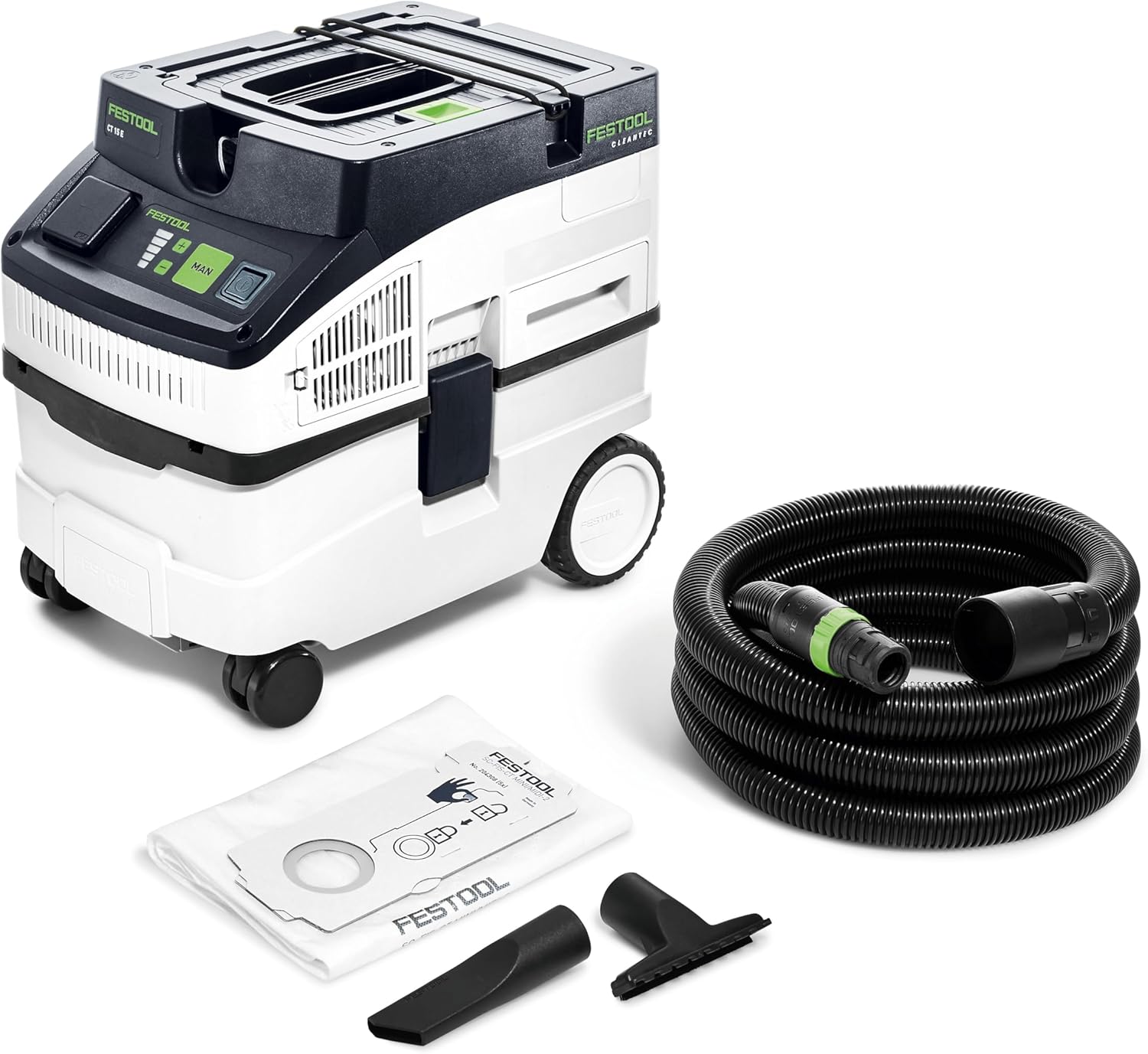
If your shop vacuum is making more noise than a leaf blower but barely pulling dust off the floor, you have a suction problem. A loss of vacuum power usually comes from one of several common issues: a clogged filter, a full tank, a blocked hose, or a leak in the system. Below you will find the most frequent causes and clear, safe instructions for restoring full performance.
How a Shop Vac Works
A shop vacuum (also called a wet/dry vacuum) uses a motor-driven fan to pull air, dust, and liquid into a collection tank. The air passes through a filter before exiting the machine. The filter traps fine particles so the motor and the surrounding air stay clean. Many models also have a float valve that rises and seals the intake port when the liquid level gets high, preventing the motor from being flooded. Understanding this basic airflow path helps you locate where suction is being lost.
Symptoms and Likely Causes
Weak suction can appear gradually or suddenly. Listen to your vacuum: if the motor sounds normal but the air movement is weak, the problem is usually a restriction or a leak. If the motor sounds strained or labored, there may be a blockage near the impeller or a heavily clogged filter. Here are the most common causes in order of likelihood:
- Clogged or caked filter – The filter is the number one reason for lost suction. Over time, fine dust builds up on the filter media, blocking airflow.
- Full tank or activated float valve – When picking up liquids, the float valve closes once the tank is near full. This stops suction completely. A full tank of dry debris also reduces capacity and airflow.
- Blocked hose, wand, or pickup nozzle – A wad of sawdust, a sock, or wet debris can lodge inside the hose and restrict or stop airflow.
- Cracks or loose fittings – Air leaks between hose connections, tank lid, or the filter cage reduce vacuum at the end of the hose.
- Wrong filter for the job – Using a coarse filter for fine dust lets particles pass through quickly and clog the motor exhaust, while using a fine dust filter for large debris can clog it too fast.
- Overloaded filter bag – If you use a disposable filter bag, it must be changed before it fills completely. A full bag chokes off airflow.
- Motor or impeller issues – A worn motor, damaged impeller, or electrical problem finally robs the vacuum of power, but this is less common than simple clogs.
Step-by-Step Fixes
1. Safety First – Unplug the Vacuum
Before you check any part of your shop vac, always unplug it from the wall outlet (or remove the battery if cordless). Turn the switch to the off position as well. This prevents accidental startup while you handle the filter or clear blockages. Never vacuum flammable liquids, hot ashes, or fuel from gas-powered tools. Read your owner’s manual for any specific warnings for your model.
2. Empty the Tank and Check the Float Valve
Open the tank lid and dump any contents into an appropriate waste container. Inspect the float mechanism (usually a plastic ball or a cylindrical float inside a cage). If it is stuck in the raised position, gently wiggle it free. For wet pickup, the float should move freely. After emptying, rinse the tank if needed and let it dry before reassembly if you plan to switch back to dry pickup.
3. Inspect and Clean the Filter
Remove the filter from the vacuum. Look for heavy dust caking, tears, or wet spots. For a washable filter (often a foam sleeve or a pleated cartridge labeled as washable), tap it gently to remove loose dust, then rinse with water according to the manufacturer’s instructions. Allow it to dry completely before reusing – never install a wet filter for dry pickup, as moisture can damage the motor. For a non-washable paper or felt filter, tap it out outdoors or replace it with a new one. If the filter is brittle or torn, replace it immediately.
If you are switching between wet and dry pickup, remove the dry-paper filter before vacuuming liquids. A wet paper filter turns into a soggy, clogged mess that blocks airflow and can grow mold. Use a dedicated foam filter or no filter at all (relying on the float valve) for wet jobs, following your machine’s instructions.
4. Use a Filter Bag for Fine Dust – But Change It Often
For very fine dust like drywall compound, soot, or fine sanding residue, a disposable filter bag inside the tank drastically extends filter life and maintains suction. The bag catches most debris before it reaches the main filter. However, the bag itself must be replaced when it is about half to two-thirds full – a full bag severely reduces suction. Check the bag visually or by weight, and swap it regularly.
5. Add a Cyclone Separator
A cyclone separator (a separate canister that sits between the hose and the vacuum) uses centrifugal force to spin heavy debris out of the airstream before it enters the tank. This keeps the tank nearly empty and the main filter much cleaner, maintaining strong suction for longer. A cyclone separator is especially useful when collecting large volumes of sawdust or wood chips. It does require an extra bucket or container, but it saves time on filter cleaning.
6. Clear Blockages in the Hose and Wand
Disconnect the hose from the vacuum and from any wands or attachments. Shine a light through one end – if you see a clog, reach it from the opposite end with a long, flexible object (like a straightened coat hanger with a hook) and pull the debris out. You can also use a garden hose to push water through the hose to dislodge wet clogs, but dry the hose thoroughly afterward. Pay attention to bends and curves where blockages often jam.
7. Check for Air Leaks and Loose Fittings
With the vacuum running (and after reassembling everything), place your hand near each connection point: the hose-to-vacuum collar, the hose-to-wand joint, the lid seal, and the filter mounting ring. A hissing sound or a faint breeze indicates a leak. Tighten any loose hose clamps or twist-lock fittings. If the tank lid does not seat flush, clean the rubber gasket and make sure the latches are fully engaged. For cracked fittings or a torn gasket, replacement parts are usually available from the manufacturer or a hardware store.
8. Verify You Are Using the Correct Filter
Most shop vacs ship with a general-purpose filter suitable for coarse debris like sawdust and wood chips. For fine dust (drywall, concrete, ash), you need a high-efficiency filter, often labeled as a HEPA or fine-dust filter. Using the wrong filter lets fine particles pass through to the motor or clog the filter pores irreversibly. Check your manual for recommended filter type for the dust you collect.
9. Consider Motor or Impeller Issues
If you have checked everything above and the vacuum still has weak or no suction, the problem may be internal. A worn motor, a broken impeller, or a shorted electrical winding can cause a loss of power. Listen for unusual grinding or whining sounds. If the motor runs but barely moves air, the impeller may be damaged or the motor seals may have failed. At this point, further diagnosis usually requires professional service or replacement of the unit. Do not attempt to open the motor housing yourself unless you are experienced with electrical repairs; consult the manufacturer or a qualified appliance technician.
When to Call a Professional or the Manufacturer
Most shop vac suction problems are resolved with filter cleaning and hose unclogging. But if your vacuum is still under warranty, contact the manufacturer before performing any repairs that might void coverage. For electrical issues such as intermittent power, a burnt smell, or a tripping breaker, stop using the vacuum immediately. Seek help from a service center. Likewise, if the tank has a large crack or the motor housing is damaged, replacement may be more cost-effective than repair.
Prevention – How to Keep Suction Strong
Preventing suction loss is easier than fixing it. Follow these practices to keep your shop vac running at peak performance:
- Empty the tank after every major job, or at least before it reaches the full line. A nearly full tank leaves little room for airflow.
- Tap or clean the filter after each use, even if it does not look full. Fine dust accumulates gradually and reduces airflow without being visible.
- Replace disposable filter bags before they are completely packed. A good rule of thumb is to change the bag when it feels about two-thirds full.
- Use a cyclone separator for projects that produce a lot of bulky debris. This keeps the main filter and bag clean much longer.
- Avoid vacuuming large, sharp objects that could tear the filter or the hose.
- Store the vacuum with a clean, dry filter and an empty tank. A filter left wet or caked with dust will become stiff and clogged.
- Inspect hoses and fittings regularly for cracks or wear, especially at the ends where stress is highest.
FAQ
Why does my shop vac make a loud noise but have no suction?
If the motor sounds normal (or louder than usual) but there is no suction at the hose, the most likely cause is a full tank of liquid that has activated the float valve, or a major clog in the hose near the vacuum inlet. Also check if the filter is completely blocked or if the tank lid is not sealed. Unplug the vacuum and inspect the tank level and the hose first.
Can I wash a paper shop vac filter?
Paper filters are not designed to be washed. If you try to rinse a paper filter, the paper fibers break down and the filter may tear or become less effective. For washable filters, look for foam or fabric labels. When in doubt, check your owner’s manual. A washable filter must be completely dry before reuse.
Is it safe to vacuum water with a dry filter on?
No. Never vacuum water with a dry paper or felt filter installed. The filter will become soaked, reducing suction and potentially damaging the motor. Always remove the dry filter and replace it with a foam filter or use the vacuum without a filter (relying on the float valve). Follow the manufacturer’s instructions for wet vacuuming.
How often should I replace my shop vac filter?
Replace the filter once it shows signs of wear such as holes, frayed edges, or hard caking that cannot be cleaned off. For heavy daily use, replacement every few months is typical. For occasional home use, a filter may last a year or longer if cleaned regularly. If vacuuming fine dust like drywall, you may need to replace the filter more often, or use a fine-dust filter bag to extend its life.
Restoring a shop vac’s suction is usually a quick fix once you know where to look. Start with the filter, then the tank, then the hose – nine times out of ten you will find the problem in one of those places. Keep your vacuum clean and you will keep it pulling strongly for years. For more detailed guidance on choosing and using wet/dry vacuums, visit our shop vacuums section or our wet/dry shop vacuum guide. If you are considering an upgrade to a dust extractor, see our dust extractors guide. And for overall cleanup strategies, check out dust collection and cleanup resources.