
 By Caleb Morgan
Updated November 2026
Choosing a metal cutting miter chop saw comes down to a few practical questions: how thick the stock is, how often you’ll cut, how accurate the angle needs to be, and whether you’ll be working in a shop or on a job site. This guide compares seven models from our product list using the criteria that matter most for metal work: blade diameter, miter range, motor and drive design, dry-cut capability, cut-line visibility, base rigidity and the kind of owner feedback that tends to show up after months of use. Each pick is described by its listing and the specifications its manufacturer states, so you can match a saw to your job before you buy.
Our top picks at a glance
- 1
 TOP CHOICEBest overallEvolution S14MCS 14" Mitering Chop SawView on Amazon
- 2
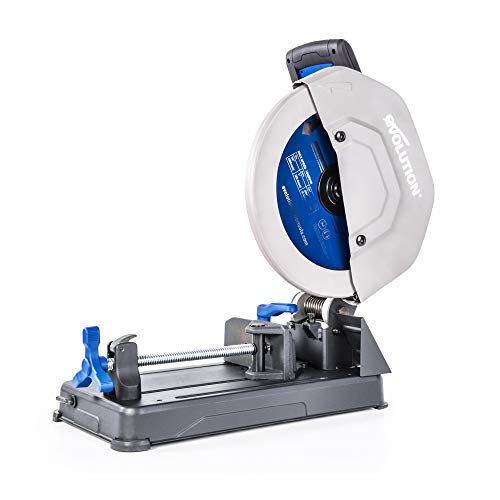 TOP CHOICEBest for heavy-duty daily useEvolution S355CPSL 14" Metal Cutting Chop SawView on Amazon
- 3
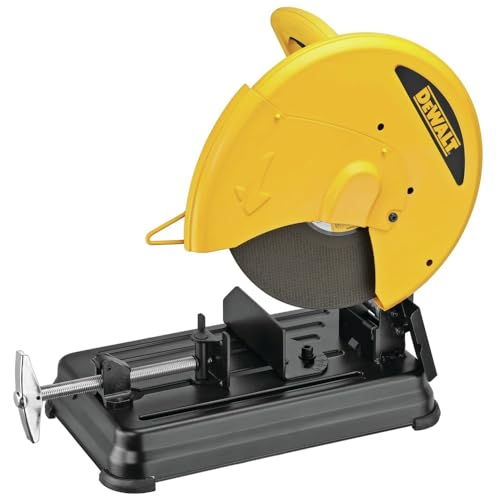 TOP CHOICEBest for shops that want a known brandDEWALT Chop Saw, 14-Inch (D28730)View on Amazon
- 4
 Best for larger stockEvolution S15CPS 15" Heavy-Duty Metal Cutting Chop SawView on Amazon
- 5
 Best for compact spacesEvolution S14CPS 14" Heavy-Duty Metal Cutting Chop SawView on Amazon
- 6
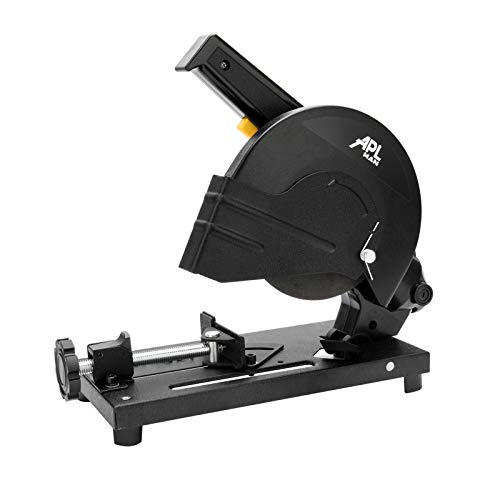 Best for light jobs and rebarAPLMAN 6 Inch Cut off Saw Metal Cutting Chop Saw Miter SawView on Amazon
- 7
 Best budget pickVEVOR Abrasive Chop Saw 14in/35cm Steel Cutting MachineView on Amazon
Our Top Picks
Quick Comparison
| Product | Best for | Key feature |
|---|---|---|
| Evolution S14MCS 14″ Mitering Chop Saw | Overall metal work with clean finishes | Shadow guide and burr-free cut focus |
| Evolution S355CPSL 14″ Metal Cutting Chop Saw | Heavy daily cutting | Dry-cut design with 14″ carbide-tipped blade |
| DEWALT Chop Saw, 14-Inch (D28730) | Shops wanting a major-brand tool | 14-inch abrasive chop saw platform |
| Evolution S15CPS 15″ Heavy-Duty Metal Cutting Chop Saw | Thicker or wider stock | 15-inch blade capacity |
| Evolution S14CPS 14″ Heavy-Duty Metal Cutting Chop Saw | Compact workspaces | Soft start motor and electric brake |
| APLMAN 6 Inch Cut off Saw Metal Cutting Chop Saw | Light jobs, rebar and iron | Small footprint and 45° angle capability |
| VEVOR Abrasive Chop Saw 14in | Budget-conscious buyers | Adjustable 0–45° angle with vise |
Evolution S14MCS 14″ Mitering Chop Saw
Evolution S14MCS 14" Mitering Chop Saw | Cold Cut Steel Saw | EVOMAX Intelligent Motor & Blade | 3500+ Blade Life | Burr-Free Finish | Shadow Guide | +/-46° Miter | Soft Start | Reinforced Base
Best for: Overall metal work with clean finishes
This is a good fit for fabricators and maintenance shops that cut steel regularly and want a cleaner edge with less deburring afterward. The listing emphasizes a burr-free finish and a shadow guide for lining up the cut. For a deeper look, Single Bevel Miter Saw: 6 Best Picks Compared for 2026 covers this in detail.
Key specs
- 14-inch blade capacity
- Miter range of +/-46°
- Soft start motor
- Reinforced base
- Listed blade life of 3,500+ cuts
Pros
- Shadow guide helps with accurate line-up
- Burr-free finish reduces cleanup time
- Wide miter range for angled stock
Cons
- Heavier than compact models, so less portable
- Blade life depends heavily on cutting conditions
Bottom line: A strong first choice for anyone who wants accuracy and finish quality over raw portability.
View on AmazonEvolution S355CPSL 14″ Metal Cutting Chop Saw
Evolution S355CPSL – Heavy Duty 14 Inch Metal Cutting Chop Saw W/ 14 Inch Carbide-Tipped Blade | Dry Cut | Miter 45° | Chop Saw For Cutting Metal – Accurate. Powerful. Reliable
Best for: Heavy daily cutting
Shops that cut steel, angle iron and similar stock all day will appreciate the heavy-duty build and dry-cut design. It suits buyers who want a dedicated cutoff tool rather than a general-purpose saw.
Key specs
- 14-inch carbide-tipped blade
- Dry-cut operation
- Miter up to 45°
Pros
- Dry cutting avoids coolant mess
- Heavy-duty construction suits continuous use
- Straightforward setup for repeat cuts
Cons
- Miter range is narrower than the S14MCS
- Bulkier, which limits use in tight spaces
Bottom line: Best for buyers who put in long shifts on steel and value a rugged, dry-cut workhorse.
View on AmazonDEWALT Chop Saw, 14-Inch (D28730)
DEWALT Chop Saw, 14-Inch (D28730)
Best for: Shops wanting a major-brand tool
DEWALT has a long track record in power tools, and shops already invested in its ecosystem often prefer its abrasive chop saws for support and parts availability. This is a sensible pick for general metalwork and rebar.
Key specs
- 14-inch abrasive blade capacity
- Designed for metal and masonry-adjacent cutoff work
Pros
- Established brand with broad service familiarity
- Straightforward, no-frills operation
- Suits general metal and rebar cutting
Cons
- Fewer features listed than some competitors
- Abrasive blades wear faster than carbide-tipped options
Bottom line: A dependable choice for buyers who prioritize brand familiarity and simple operation.
View on AmazonEvolution S15CPS 15″ Heavy-Duty Metal Cutting Chop Saw
Evolution S15CPS 15" Heavy-Duty Metal Cutting Chop Saw | 3,500+ Cuts with EVOMAX14ST Blade | 15" Blade Compatible | Industrial Power Saw, Soft Start Motor, E-Brake, Precision Shadow Line Guide
Best for: Thicker or wider stock
The 15-inch blade gives more cutting depth than a 14-inch saw, which can matter for larger sections of steel. It suits fabricators who regularly handle heavier profiles.
Key specs
- 15-inch blade capacity
- Soft start motor
- Electric brake
- Shadow line guide
- Listed for 3,500+ cuts with EVOMAX14ST blade
Pros
- Greater cutting depth than 14-inch models
- Electric brake helps stop the blade quickly
- Soft start reduces startup jolt
Cons
- Heavier and larger footprint
- Larger blades cost more to replace
Bottom line: Pick this if your work regularly involves material that a 14-inch blade struggles to clear.
View on AmazonEvolution S14CPS 14″ Heavy-Duty Metal Cutting Chop Saw
Evolution S14CPS 14" Heavy-Duty Metal Cutting Chop Saw | 3,500+ Cuts with EVOMAX14ST Blade | 14" Blade Compatible | Industrial Power Saw, Soft Start Motor, E-Brake, Precision Shadow Line Guide
Best for: Compact workspaces
Smaller shops and garages with limited bench space benefit from a 14-inch saw that stays manageable. It offers the same core features as the larger S15CPS in a more compact form.
Key specs
- 14-inch blade compatible
- Soft start motor
- Electric brake
- Precision shadow line guide
Pros
- Good balance of capacity and footprint
- Electric brake improves safety at shutoff
- Shadow line guide aids accurate cuts
Cons
- Still heavy for frequent repositioning
- Blade-specific consumables required for best life
Bottom line: A practical middle ground for home shops that need serious metal capacity without a large machine.
View on AmazonAPLMAN 6 Inch Cut off Saw Metal Cutting Chop Saw Miter Saw
APLMAN 6 Inch Cut off Saw Metal Cutting Chop Saw Miter Saw 45° Angle iron/Rebar/Iron/Plastic Cutting
Best for: Light jobs, rebar and iron
For occasional cutting of rebar, iron rod or light angle, a 6-inch cutoff saw keeps cost and bench footprint low. It is better suited to light duty than to heavy production work.
Key specs
- 6-inch blade
- 45° angle capability
- Compact cutoff design
Pros
- Small and easy to store
- Handles rebar and light iron
- Low-profile setup for occasional use
Cons
- Limited cutting capacity compared with 14-inch saws
- Not designed for continuous heavy production
Bottom line: Good for homeowners and small projects, not for thick steel or daily shop use.
View on AmazonVEVOR Abrasive Chop Saw 14in/35cm Steel Cutting Machine
VEVOR Abrasive Chop Saw 14in/35cm Blade 2300W 3600RPM Steel Cutting Machine | For Cutting Metal, Rebar, Iron, Aluminum, 0-45 Degrees Adjustable Angle Miter Saw with Wrench, Non-Slip Thick Vise, Black
Best for: Budget-conscious buyers
Buyers who need a 14-inch abrasive chop saw for occasional metal work and want an adjustable angle and included vise will find this listing covers the basics. Owners often report that build quality is adequate for light to moderate use.
Key specs
- 14-inch (35 cm) abrasive blade
- Adjustable 0–45° angle
- Includes wrench and non-slip vise
Pros
- Adjustable angle and vise included
- Suits metal, rebar and aluminum
- Good value for occasional use
Cons
- Build quality may not match premium brands for heavy use
- Abrasive blades need frequent replacement
Bottom line: A sensible entry point for hobbyists and light users who accept some trade-offs in durability.
View on AmazonBuying Guide
Blade diameter and cutting capacity
A 14-inch blade is the most common size for metal chop saws and covers most bar stock, angle and tube. A 15-inch blade adds depth for larger sections. Smaller 6-inch cutoff saws work for rebar and light iron but limit what you can clear in a single pass. Match blade diameter to the thickest and widest stock you cut regularly.
Good picks for this: Evolution S15CPS 15″ Heavy-Duty Metal Cutting Chop Saw, Evolution S14MCS 14″ Mitering Chop Saw
Miter range and angle accuracy
Check the miter range against the cuts you plan to make. Ranges of around 45° cover most fabrication needs, while wider ranges are useful for angled frames and brackets. Look for a shadow guide or line guide, since visible cut lines help hold accuracy on repeat work.
Good picks for this: Evolution S14MCS 14″ Mitering Chop Saw, Evolution S14CPS 14″ Heavy-Duty Metal Cutting Chop Saw
Motor and soft start
A soft start feature reduces the jolt on startup and can extend component life on frequent-use saws. Owners often report that heavier-duty motors hold speed better under load, which matters when cutting thicker steel. Consider how often you will cut and how thick the material is.
Good picks for this: Evolution S14CPS 14″ Heavy-Duty Metal Cutting Chop Saw, Evolution S355CPSL 14″ Metal Cutting Chop Saw
Dry cut versus abrasive blade
Dry-cut saws using carbide-tipped blades produce less heat-related discoloration on some metals and avoid the mess of coolant. Abrasive wheels cut fast but wear quickly and throw sparks. Pick the blade style based on the metal and the finish you need.
Good picks for this: Evolution S355CPSL 14″ Metal Cutting Chop Saw, VEVOR Abrasive Chop Saw 14in/35cm Steel Cutting Machine
Footprint and portability
Measure your bench or stand space before you buy. Heavier 14- and 15-inch saws are rarely something you move often. If you need to store the saw or carry it to a job, a compact 6-inch cutoff saw or a smaller 14-inch model will be easier to handle.
Good picks for this: APLMAN 6 Inch Cut off Saw Metal Cutting Chop Saw Miter Saw, Evolution S14CPS 14″ Heavy-Duty Metal Cutting Chop Saw
Base rigidity and vise
A reinforced base and secure vise reduce vibration and movement during the cut, which affects both safety and finish. Check whether a vise is included or must be purchased separately, since clamping stock firmly matters more than most buyers expect.
Good picks for this: Evolution S14MCS 14″ Mitering Chop Saw, VEVOR Abrasive Chop Saw 14in/35cm Steel Cutting Machine
Blade replacement and consumables
Plan for ongoing blade costs. Carbide-tipped blades last longer on steel than abrasive wheels, but they cost more per blade. Check that the blade size you buy matches the saw’s capacity, and store spare blades flat and dry to prevent damage.
Good picks for this: DEWALT Chop Saw, 14-Inch (D28730), Evolution S15CPS 15″ Heavy-Duty Metal Cutting Chop Saw
FAQ
What is a metal cutting miter chop saw used for?
It cuts metal bar, tube, angle, channel and rebar at set angles or straight across. It is common in fabrication shops, maintenance work and construction sites where quick, repeatable cutoffs are needed.
Is a dry-cut chop saw better than an abrasive one?
Neither is better in every case. Dry-cut carbide-tipped blades tend to give cleaner edges with less heat discoloration on many metals, while abrasive wheels cut quickly and are often cheaper per cut for occasional work. Choose based on your metal and finish requirements.
What blade size should I choose?
A 14-inch blade covers most general metal work. Go to 15 inches if you regularly cut thicker or wider stock. Smaller 6-inch saws suit light jobs and rebar but have limited capacity.
Can I cut aluminum on a metal chop saw?
Many metal chop saws can cut aluminum, but you need an appropriate blade and should follow the manufacturer’s guidance on material and blade type. Using the wrong blade can cause poor cuts and safety hazards.
How do I keep cuts accurate?
Use a shadow or line guide to align the blade with your mark, clamp the stock firmly in the vise, and make sure the base is level and secure. Check the angle setting before each batch of cuts.
Do I need eye and hearing protection?
Yes. Metal cutting throws sparks and debris and is loud. Wear safety glasses or a face shield, hearing protection and gloves suited to the task. Consult a safety professional or your employer’s safety program for site-specific requirements.
Conclusion
For most shops, the Evolution S14MCS offers the best balance of accuracy, finish and capacity. Heavy daily users will look hardest at the Evolution S355CPSL, while buyers working with thicker stock should consider the S15CPS. Compact spaces suit the S14CPS, and light or occasional jobs fit the APLMAN 6-inch cutoff saw or the VEVOR budget option. The DEWALT D28730 is a sound choice for buyers who want a familiar brand and straightforward operation. Match the saw to your most common cut, your space, and how often you will use it.
Sources
- Workplace safety guidance for power tools and metal cutting operations (osha.gov)
- Consumer product safety information on power equipment and recalls (cpsc.gov)
- Standards and measurement information relevant to materials and tool precision (nist.gov)
Related reading
- Top 5 Steel Cutting Miter Saw Models for Metal Work in 2026
- Metal Cutting Miter Saw: A Step-by-Step Guide for Beginners
- 6 Best Metal Cutting Miter Saw Blades for Aluminum and Steel (2026)
About Caleb Morgan
Caleb Morgan is part of our editorial team and reviews and edits our power tools guides, checking product details against manufacturer specifications and owner feedback.




