By Caleb Morgan
Updated November 2026
Dremel oscillating tool attachments are the blades and pads that turn a multi-tool into a precise cutter, scraper or flush-cut specialist. Choosing the right one depends on the material you’re working with, how tight the cut needs to be and whether you plan to swap blades often. The picks below were selected by reviewing manufacturer specifications, brand reputation and common owner feedback patterns for the attachment types that fit Dremel’s universal quick-fit system. We did not physically test these products.
Our top picks at a glance
- 1
 TOP CHOICEBest overallDremel MM399 Oscillating Multitool Universal Flush Cutting Blade KitView on Amazon
- 2
 Best for carbide-tip cutting in wood and nailsDremel MM485B Carbide Flush Oscillating BladesView on Amazon
- 3
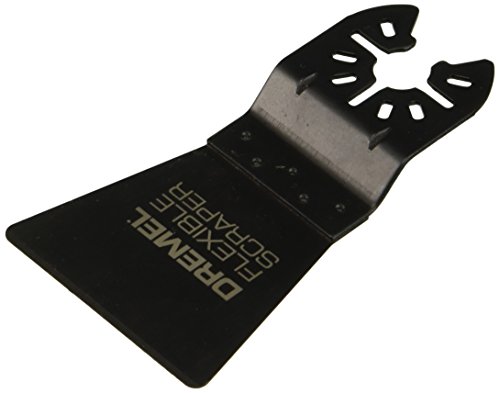 Best for scraping soft materialsDremel MM610 Oscillating Tool Flexible Scraper BladeView on Amazon
Our Top Picks
Quick Comparison
| Product | Best for | Key feature |
|---|---|---|
| Dremel MM399 Oscillating Multitool Universal Flush Cutting Blade Kit | General flush cutting in wood and light trim | Kit format with multiple flush-cut blades |
| Dremel MM485B Carbide Flush Oscillating Blades | Cutting wood with embedded nails and fasteners | Carbide-tooth blades in a three-pack |
| Dremel MM610 Oscillating Tool Flexible Scraper Blade | Removing adhesives, caulk and soft materials | Flexible scraper with universal quick-fit interface |
Dremel MM399 Oscillating Multitool Universal Flush Cutting Blade Kit
Dremel MM399 Oscillating Multitool Universal Flush Cutting Blade Kit
Best for: General flush cutting in wood and light trim For another angle, check out Table Saw for Dremel: Build a Rotary Tool Table Saw Setup (2026).
This kit suits homeowners and DIYers who need a clean cut close to a wall, floor or adjoining surface. Owners commonly describe it as a practical starting set for trim removal and door-frame work, where the flush profile lets the blade reach tight corners.
Key specs
- Flush cutting blade design for cuts close to surfaces
- Universal quick-fit interface compatible with Dremel oscillating tools
- Sold as a kit with blade options for different cutting depths
Pros
- Allows cuts very close to adjoining surfaces
- Works well for trim, door casing and flooring transitions
- Good value for a multi-blade starter set
Cons
- Standard steel blades wear faster when cutting hardware
- Not designed for heavy metal or masonry work
Bottom line: A strong first pick for anyone who mostly needs flush cuts in wood trim and general carpentry.
View on AmazonDremel MM485B Carbide Flush Oscillating Blades
Dremel MM485B Carbide Flush Oscillating Blades | Includes 3 Oscillating Multitool Cutting Blades, Carbide Tooth Blade Material, Universal Quick Fit
Best for: Cutting wood with embedded nails and fasteners
This three-pack suits users who regularly run into nails, screws or old fasteners during renovation work. Carbide-tooth blades generally hold their edge longer than standard steel when the cut passes through hardware, which is why owners often reach for them on reclaimed lumber and demolition jobs.
Key specs
- Carbide-tooth blade material
- Flush cutting profile
- Three blades included per pack
- Universal quick-fit interface
Pros
- Carbide teeth tolerate embedded nails better than steel
- Three blades give you spares for longer jobs
- Consistent flush cuts in wood
Cons
- Costs more per blade than standard steel options
- Carbide is brittle, so it can chip if forced sideways
Bottom line: The right choice for anyone cutting through wood that may contain hardware, especially during remodels.
View on AmazonDremel MM610 Oscillating Tool Flexible Scraper Blade
Dremel MM610 Oscillating Tool Flexible Scraper Blade, Ideal for Removal of Soft Materials – Universal Quick-Fit Interface Fits Bosch, Milwaukee, Makita, and Rockwell, Black
Best for: Removing adhesives, caulk and soft materials
This flexible scraper is aimed at surface prep rather than cutting. It suits flooring installers, painters and anyone clearing old caulk, sealant or softened adhesive from a surface without gouging it. The listing states compatibility with several major oscillating tool brands, which matters if you own more than one platform.
Key specs
- Flexible scraper blade for soft material removal
- Universal quick-fit interface
- Listed compatibility with Bosch, Milwaukee, Makita and Rockwell oscillating tools
Pros
- Flexibility reduces the risk of gouging the substrate
- Works across several oscillating tool brands
- Useful for caulk, adhesive and softer finish removal
Cons
- Not a cutting blade and cannot replace flush-cut options
- Less effective on hardened or cured materials
Bottom line: Pick this if your work centers on scraping and surface prep rather than cutting.
View on AmazonBuying Guide
Blade Type and Intended Function
Oscillating attachments fall into cutting blades, scrapers, sanding pads and grout or tile tools. Match the type to the job before anything else. A flush cutter gives you a clean line against a wall, a scraper removes adhesive, and a sanding pad smooths a surface. Using the wrong type wastes time and can damage the workpiece.
Good picks for this: Dremel MM399 Oscillating Multitool Universal Flush Cutting Blade Kit, Dremel MM610 Oscillating Tool Flexible Scraper Blade
Blade Material: Steel vs. Carbide
Standard high-carbon steel works well on wood and soft materials and costs less per blade. Carbide-tooth blades resist wear when they meet nails, screws or abrasive debris. Manufacturers generally recommend carbide for mixed-material demolition. Expect carbide to be more brittle, so avoid twisting it sideways in the cut.
Good picks for this: Dremel MM485B Carbide Flush Oscillating Blades, Dremel MM399 Oscillating Multitool Universal Flush Cutting Blade Kit
Compatibility with the Quick-Fit Interface
Dremel’s universal quick-fit system accepts many third-party and cross-brand attachments, but fit is not guaranteed for every tool. Check the listing for compatible brands and confirm your tool uses a matching interface before buying. A mismatched attachment can wobble, slip or fail under load.
Good picks for this: Dremel MM610 Oscillating Tool Flexible Scraper Blade, Dremel MM485B Carbide Flush Oscillating Blades
Cutting Depth and Flush Profile
A flush blade allows you to cut very close to a surface, often within a few millimeters, which is useful for trim and flooring transitions. Standard blades leave more clearance. If you frequently cut against walls or floors, a flush profile saves hand-finishing work.
Good picks for this: Dremel MM399 Oscillating Multitool Universal Flush Cutting Blade Kit, Dremel MM485B Carbide Flush Oscillating Blades
Flexibility for Surface Work
Flexible scrapers conform to slight curves and uneven surfaces, which reduces gouging. Rigid blades remove material faster but carry more risk on finished floors and painted trim. Choose flexibility when the substrate is delicate.
Good picks for this: Dremel MM610 Oscillating Tool Flexible Scraper Blade
Durability and Replacement Frequency
Blade life depends on material hardness, cutting speed and whether the blade hits hardware. Carbide generally outlasts steel in those conditions. Keep a few spares on hand for demolition work, and replace any blade that has bent, cracked or lost its tooth profile, since a damaged blade can kick or bind.
Good picks for this: Dremel MM485B Carbide Flush Oscillating Blades, Dremel MM399 Oscillating Multitool Universal Flush Cutting Blade Kit
Care and Storage
Remove blades from the tool when not in use and store them in a dry case or the original packaging to protect the edges. Wipe off adhesive or sap after scraping, and avoid dropping carbide blades onto concrete. Clean tools cut more consistently and reduce the chance of slippage.
Good picks for this: Dremel MM610 Oscillating Tool Flexible Scraper Blade, Dremel MM485B Carbide Flush Oscillating Blades
FAQ
Are Dremel oscillating tool attachments compatible with other brands?
Many Dremel attachments use a universal quick-fit interface, and some are listed as compatible with other oscillating tool brands. Always check the product listing for the specific brands named, and confirm your tool’s mounting style before buying.
What blade should I use for cutting wood with nails?
Carbide-tooth blades are generally better suited to cutting wood that may contain nails or screws, because the carbide resists wear when it meets hardware. Standard steel blades can dull or chip quickly in that situation.
Can an oscillating tool scraper remove old caulk?
A flexible scraper blade is designed for soft materials such as caulk, adhesive and softened finishes. It works best on surfaces that will not be damaged by light flexing. Cured or hardened materials may need a different approach.
How do I know if a flush cut blade will fit my tool?
Check that the blade uses the universal quick-fit interface and that your tool’s model is listed as compatible. Mismatched attachments can slip or fail, so confirm compatibility before starting a cut.
Is carbide better than steel for every job?
No. Carbide excels at cutting through embedded hardware but is more brittle and costs more per blade. For simple wood cuts without nails, standard steel blades are often sufficient.
How often should I replace oscillating blades?
Replace blades when they bend, crack, lose tooth sharpness or begin cutting unevenly. Frequency depends on material and how often the blade meets hardware. Keeping spares on hand avoids interrupting a job.
Do I need a flush blade for every cutting task?
Not necessarily. Flush blades are most useful when you need to cut close to a wall or surface. For open cuts in the middle of a board, a standard blade may work equally well.
Conclusion
The Dremel MM399 kit is a sensible starting point for general flush cutting in trim and wood. The MM485B carbide blades suit cutting where nails or fasteners may be present. The MM610 flexible scraper fits surface prep and adhesive removal rather than cutting. Match the attachment to the material and task, and verify compatibility with your tool before buying.
Sources
- Workplace power tool safety guidance, including blade and attachment handling practices (osha.gov)
- Consumer product safety information on power tool use and accessory hazards (cpsc.gov)
- Standards information relevant to tool materials and cutting-edge performance (nist.gov)
Related reading
- Oscillating Multi-Tools: Blades, Plunge Cuts and Sanding Attachments
- Milwaukee Oscillating Tool Attachments: Which Blades Fit Which Jobs
- Dremel Oscillating Tool Accessories: 7 Blades and Pads Explained
- Dremel Oscillating Multi Tool: A Step-by-Step Guide for Beginners
About Caleb Morgan
Caleb Morgan is part of our editorial team and reviews and edits our power tools guides, checking product details against manufacturer specifications and owner feedback.