By Caleb Morgan
Updated November 2026
An oscillating multi tool sharpener is a small accessory that restores the teeth on dull oscillating blades so they cut cleanly again instead of burning, tearing or skating across the workpiece. Choosing one comes down to a few practical points: whether it works with the blade material you actually own (high speed steel, carbon steel or bi-metal), how the abrasive is mounted, whether it can handle plunge-style sharpening, and how easy it is to use without a bench vise. The five models below are compared on those criteria, using manufacturer specifications, brand reputation and common owner feedback patterns rather than any hands-on testing of our own.
Our top picks at a glance
- 1
 TOP CHOICEBest overallSHARP POG Oscillating Multi-Tool Blade SharpenerView on Amazon
- 2
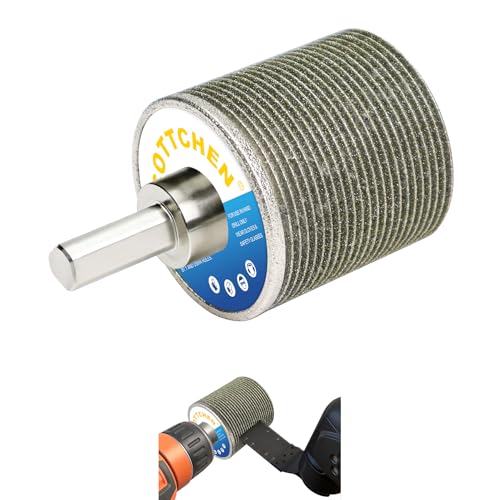 TOP CHOICEBest for diamond-coated sharpeningSCOTTCHEN Oscillating Saw Blade SharpenerView on Amazon
- 3
 TOP CHOICEBest for CBN gear-style grindingByrnetools Oscillators Blade SharpenerView on Amazon
- 4
 Best for punch-style restorationOscillator Punch Pro Oscillating Blade SharpenerView on Amazon
- 5
 Best budget pickHerakiy Oscillating Multi-Tool Blade SharpenerView on Amazon
Our Top Picks
Quick Comparison
| Product | Best for | Key feature |
|---|---|---|
| SHARP POG Oscillating Multi-Tool Blade Sharpener | General shop use across many blade brands | Works on high speed steel and carbon steel oscillating blades |
| SCOTTCHEN Oscillating Saw Blade Sharpener | Users who want diamond abrasive contact | Frameless design for quick blade restoration |
| Byrnetools Oscillators Blade Sharpener | Restoring fine-tooth blades with a grinding action | CBN gear grinder style sharpening |
| Oscillator Punch Pro Oscillating Blade Sharpener | Restoring worn teeth with a mechanical punch | Hardened steel punch with double-sided restoration |
| Herakiy Oscillating Multi-Tool Blade Sharpener | Budget-minded users with bi-metal blades | Restores saw teeth on HCS and bi-metal blades |
SHARP POG Oscillating Multi-Tool Blade Sharpener
SHARP POG® Oscillating Multi-Tool Blade Sharpener, Resharpens Dull Oscillating Blades, Works on all Brands of High Speed Steel Carbon Steel Oscillating Blades and Tools
Best for: General shop use across many blade brands
This model suits people who own blades from several manufacturers and want one sharpener that handles most of them. Its listing emphasizes compatibility with a wide range of oscillating blade brands, which makes it a sensible first choice for a mixed toolbox.
Key specs
- Designed for oscillating multi-tool blades
- Compatible with high speed steel and carbon steel blades
- Resharpens dull blades rather than replacing them
Pros
- Broad compatibility across blade brands
- Covers both high speed steel and carbon steel blade types
- Straightforward purpose that matches the listing claims
Cons
- Restoration limits depend on how worn the blade teeth are
- Owners with only bi-metal blades should confirm fit before buying
Bottom line: A strong default for someone who wants one sharpener for a varied collection of oscillating blades.
View on AmazonSCOTTCHEN Oscillating Saw Blade Sharpener
SCOTTCHEN Oscillating Saw Blade Sharpener, Re-Sharpens Dull Saw Blades, Diamond Oscillating Multi-Tool Blade Sharpener for Hand Drills – Upgraded Frameless Design to Quickly Restore Dull Blades
Best for: Users who want diamond abrasive contact
This option is aimed at people who prefer a diamond-style abrasive surface and a frameless body that is quick to use on the bench or with a drill. It fits users who regularly resharpen the same blades and want a repeatable process.
Key specs
- Diamond oscillating multi-tool blade sharpener
- Frameless design for quick restoration
- Described for use with hand drills
Pros
- Diamond abrasive is durable on hardened steel
- Frameless body is simple to handle
- Suits repeated sharpening sessions
Cons
- Diamond surfaces can clog if used on very gummy material
- Results depend on steady, even pressure
Bottom line: Good for people who want a diamond-surface sharpener for routine upkeep of their blades.
View on AmazonByrnetools Oscillators Blade Sharpener
Byrnetools Oscillators Blade Sharpener CBN Gear Grinder Blade Sharpenr
Best for: Restoring fine-tooth blades with a grinding action
This model uses a CBN gear grinder style of sharpening. It suits users with fine-tooth blades who want a grinding-based restoration rather than a simple hand-stroke approach.
Key specs
- CBN (cubic boron nitride) grinding style
- Designed for oscillator blade sharpening
Pros
- CBN abrasives are known for holding an edge on hard steels
- Grinding action suits fine-tooth profiles
- Specific purpose that is clearly stated
Cons
- Grinding action requires careful control to avoid over-removing metal
- Less forgiving for beginners than a simple file-style sharpener
Bottom line: A fit for users comfortable with a grinding-style tool who want fine-tooth restoration.
View on AmazonOscillator Punch Pro Oscillating Blade Sharpener
Oscillator Punch Pro Oscillating Blade Sharpener, Hardened Steel Punch, Double Sided Blade Restoration Tool with Accessories
Best for: Restoring worn teeth with a mechanical punch
This model takes a punch-style approach with a hardened steel punch and double-sided restoration. It suits people who want a mechanical method for reshaping worn teeth and have the patience to work through each side of the blade.
Key specs
- Hardened steel punch
- Double-sided blade restoration
- Includes accessories according to the listing
Pros
- Mechanical punch method is easy to understand
- Double-sided design covers both blade faces
- Hardened steel suits repeated use
Cons
- Punch method is slower than abrasive sharpening
- Alignment takes practice to get consistent results
Bottom line: Suited to users who prefer a mechanical punch and will take time to align it carefully.
View on AmazonHerakiy Oscillating Multi-Tool Blade Sharpener
Herakiy Oscillating Multi-Tool Blade Sharpener Restore Dull Saw Teeth Quick | Fits reciprocating jigsaw oscillating blade HCS bi-metal blades. Drill use, restore worn saw blades & cut cost reusing the
Best for: Budget-minded users with bi-metal blades
This sharpener is positioned for people who want to restore HCS and bi-metal reciprocating or oscillating blades without spending heavily on specialty tools. It is a practical pick for occasional sharpening around the house or a small workshop.
Key specs
- Fits reciprocating jigsaw and oscillating blade types
- Designed for HCS and bi-metal blades
- Described for use with drills
Pros
- Covers bi-metal and HCS blade types
- Budget-friendly positioning for occasional use
- Helps extend the life of worn blades
Cons
- Expect less refinement than premium options
- Best results come from blades that are only moderately worn
Bottom line: A sensible starting point for homeowners and occasional users who want to revive bi-metal blades.
View on AmazonBuying Guide
Blade material compatibility
Check whether your blades are high speed steel, carbon steel, bi-metal or carbide-tipped before buying. Sharpeners that list specific materials are safer bets if you know your blade type. Mismatched abrasives can dull a blade faster than they restore it.
Good picks for this: SHARP POG Oscillating Multi-Tool Blade Sharpener, Herakiy Oscillating Multi-Tool Blade Sharpener
Abrasive type
Diamond and CBN abrasives hold their shape longer on hard steels than standard grit. Mechanical punch designs rely on hardened steel rather than abrasive. Choose based on how much metal you expect to remove and how often you sharpen.
Good picks for this: SCOTTCHEN Oscillating Saw Blade Sharpener, Byrnetools Oscillators Blade Sharpener
Tooth profile and blade type
Fine-tooth blades for cutting wood and laminate need gentler, more controlled sharpening than coarse blades used on masonry or metal. Check the tooth pitch on your blade and match the sharpener to it where the listing allows.
Good picks for this: Byrnetools Oscillators Blade Sharpener, Oscillator Punch Pro Oscillating Blade Sharpener
Use case and frequency
Occasional homeowners need less capability than a contractor sharpening blades daily. A simple, low-cost sharpener is often enough for light use, while frequent users benefit from more durable abrasives and a repeatable method.
Good picks for this: Herakiy Oscillating Multi-Tool Blade Sharpener, SHARP POG Oscillating Multi-Tool Blade Sharpener
Ease of use and setup
Frameless designs can be quicker to use with a drill, while punch and grinder styles often need a stable surface and steady hands. Consider where you will work and whether you have a vise or bench to hold the blade.
Good picks for this: SCOTTCHEN Oscillating Saw Blade Sharpener, Oscillator Punch Pro Oscillating Blade Sharpener
Durability and care
Hardened steel and diamond or CBN surfaces generally last longer than soft abrasives. Keep the sharpener clean and free of debris, and inspect abrasive surfaces for wear. Replace worn components rather than forcing a dull sharpener to work.
Good picks for this: SCOTTCHEN Oscillating Saw Blade Sharpener, Byrnetools Oscillators Blade Sharpener
Safety while sharpening
Wear eye protection and gloves, keep fingers clear of the sharpening surface, and unplug or remove the battery from any drill or multi-tool before handling blades. If you are unsure about a sharpening method or your blade’s condition, consult a professional tool technician.
Good picks for this: SHARP POG Oscillating Multi-Tool Blade Sharpener, Oscillator Punch Pro Oscillating Blade Sharpener
FAQ
Can an oscillating multi tool sharpener restore any blade?
No. Sharpeners work best on blades with teeth that are dull or slightly worn but not chipped or broken. Heavily damaged blades usually need replacing.
What blade materials can these sharpeners handle?
Listings differ. Some cover high speed steel and carbon steel, others target bi-metal or HCS blades. Check the product listing against your blade type before buying.
How many times can a blade be resharpened?
There is no universal number. Each sharpening removes a small amount of metal, so repeated sharpening eventually leaves the teeth too small to cut well. Replace the blade when cutting performance drops off noticeably.
Do I need a bench vise to use one?
Not always, but a stable surface helps. Frameless designs can be used with a drill, while punch and grinder styles benefit from a secure hold on the blade.
Is a diamond sharpener better than a punch-style one?
They suit different jobs. Diamond surfaces are better for steady abrasive restoration, while punch styles reshape worn teeth mechanically. Neither is universally better.
Should I sharpen blades or just replace them?
For inexpensive blades used lightly, replacement may be simpler. For premium or specialized blades, sharpening can save money over time. Compare the blade’s condition and your usage before deciding.
Conclusion
For a single sharpener that handles a mixed collection, the SHARP POG model is the most versatile choice on this list. Users who prefer diamond abrasive contact should look at the SCOTTCHEN model, while the Byrnetools CBN grinder suits fine-tooth blades. The Oscillator Punch Pro fits people who want a mechanical punch method, and the Herakiy model is the practical budget pick for bi-metal and HCS blades. Match the sharpener to your blade material and how often you sharpen, and always check listing compatibility first.
Sources
- Workplace safety guidance on power tool hazards, eye protection and safe work practices (osha.gov)
- Consumer safety information on power tool use and accessory hazards (cpsc.gov)
- Standards and materials science background on hardened steels and abrasive materials (nist.gov)
Related reading
- How to Make Plunge Cuts with an Oscillating Multi-Tool
- Who Invented the Oscillating Multi Tool? The History Behind the Tool
- What Is an Oscillating Multi Tool Used For? Common Jobs and How to Start
- Using an Oscillating Multi Tool: A Step-by-Step Guide for Beginners
- Uses for Oscillating Multi Tool: 8 Jobs It Handles Well (Guide)
- Sharpening Oscillating Tool Blades: 7 Best Sharpeners Compared (2026)
- Sharpen Oscillating Tool Blades: 6 Best Sharpeners Compared (2026)
About Caleb Morgan
Caleb Morgan is part of our editorial team and reviews and edits our power tools guides, checking product details against manufacturer specifications and owner feedback.