
 By Caleb Morgan
Updated November 2026
The m12 fuel 12v lithium-ion cordless oscillating multi-tool is a compact, bare-tool option from Milwaukee’s M12 FUEL line, aimed at people who already own M12 batteries or want a light tool for close-quarters work. It suits DIYers and trade users doing trim cuts, flush cuts, grout clean-out, light sanding and small plunge cuts in tight spaces where a full-size tool won’t fit. It is a weaker fit for anyone expecting heavy, all-day demolition or for buyers who don’t already have an M12 battery and charger, since the listing is tool-only. This review is based on the manufacturer’s published specifications and patterns that owners commonly describe, not on hands-on testing.

M12 FUEL 12V Lithium-Ion Cordless Oscillating Multi-Tool (Tool-Only)
Product Overview
The M12 FUEL oscillating multi-tool is part of Milwaukee’s 12-volt cordless platform, which shares batteries and chargers with the rest of the M12 range, including drills, impact drivers, saws and lights. The “FUEL” designation indicates Milwaukee’s brushless motor and electronic controls, which the company positions as delivering more run time and tool life than brushed designs. Because this listing is tool-only, you need a compatible M12 battery and charger to operate it, and those are sold separately.
Oscillating multi-tools work by rapidly moving a blade through a small arc, typically a few degrees, rather than spinning it. That motion lets the blade reach into corners, cut flush against walls and floors, and work through wood, plastic, nails and thin metal without the kickback risk of a circular saw. The 12-volt format keeps the tool light and short, which matters when you are working overhead or inside cabinets for long stretches.
Compared with the 18-volt M18 FUEL oscillating tool, the M12 version trades raw power and battery capacity for weight and size. That tradeoff is the central decision for most buyers, and it shapes nearly every point in this review.
Key Features & Specifications
The figures below reflect what Milwaukee publishes for the M12 FUEL platform. Confirm exact values against the current product page before buying, as revisions happen.
| Feature | Details |
|---|---|
| Voltage platform | 12V (M12) lithium-ion |
| Motor | Brushless (FUEL designation) |
| Included in listing | Tool only; battery and charger not included |
| Battery compatibility | M12 lithium-ion packs |
| Oscillation style | Oscillating blade motion |
| Blade system | Standard oscillating multi-tool blade interface (accepts common universal-style blades) |
| Tool-free blade change | Designed to support quick blade swaps; check the spec sheet for the exact mechanism |
| Best-suited tasks | Flush cuts, trim, grout removal, light sanding, scraping, small plunge cuts |
Specifications such as maximum oscillation speed in oscillations per minute and the exact oscillation angle vary between Milwaukee’s listings and documentation, so compare those numbers directly on the product page rather than relying on memory.
Pros & Cons
Pros
- Light and compact, which helps with overhead work and tight cabinetry.
- Shares batteries and chargers with the broader M12 system, so one pack can run several tools.
- Brushless FUEL motor is positioned for longer runtime and reduced maintenance compared with brushed designs.
- Accepts standard oscillating blades, giving access to a wide accessory market.
- Well suited to flush cuts and grout work where precision matters more than force.
Cons
- Tool-only listing means you must buy a battery and charger separately if you don’t own M12 gear.
- 12-volt output has less torque and less sustained power than 18-volt oscillating tools.
- Smaller battery packs mean shorter run time on demanding jobs.
- Not ideal for heavy demolition, thick hardwood or dense masonry.
- Accessory selection is slightly narrower than for the 18-volt platform.
Performance Analysis
Performance for an oscillating tool depends on three things: the motor’s ability to hold speed under load, the oscillation angle and speed, and the blade you choose. The M12 FUEL is designed for the first of these to be stronger than typical 12-volt brushed tools, which is why owners often describe it as more capable than its size suggests on soft and medium materials.
On wood, the tool handles trim, door casing removal and flush cuts well as long as you use a sharp blade and let the oscillation do the work. Owners commonly report that pushing harder does not speed things up and can cause the blade to bind or overheat. Keep pressure light and let the blade cut.
For grout removal, the tool performs well in narrow joints where a grout saw cannot fit, but progress slows considerably in thick or hardened grout. Carbide grout blades are the usual choice. Expect the work to take longer than with an 18-volt tool, and plan for more battery swaps on larger tile jobs.
Plunge cuts in drywall, subfloor and thin plywood are a realistic use. Thicker material, such as 3/4-inch plywood or hardwood, is slower and places more load on the motor. A useful rule is to keep plunge depths modest and to make multiple passes rather than forcing one deep cut.
Battery life is the most common limitation owners raise. Run time depends heavily on pack capacity and the task. A compact pack is fine for short trim sessions, but a larger capacity M12 pack is a better match for extended sanding or grout work.
Who Should Buy This Product?
This tool makes sense if you already own M12 batteries and a charger, since you get a lightweight oscillating tool without buying a second battery system. It is also a good match for trim carpenters, cabinet installers, plumbers and electricians who need to work in tight spaces and value a light tool that is easy to hold for long periods.
Skip it if you are starting from scratch and want the lowest total cost of entry for a complete kit, if your work involves heavy demolition or dense materials, or if you expect the tool to replace a corded oscillator for daily heavy use. In those cases, an 18-volt FUEL model or a corded tool will serve you better.
Buying Guide
Start by checking what you already have. If you own M12 batteries and a charger, the tool-only listing is the most economical route. If you don’t, consider a kit that bundles the tool with a battery and charger so you can start working right away.
Blade selection matters as much as the tool. Keep a few types on hand: a flush-cut blade for trim, a bi-metal blade for nails and screws in wood, a carbide grout blade for tile joints, and a sanding pad for light finishing. Match the blade’s tooth count to the material, with finer teeth for smooth cuts and coarser teeth for faster material removal.
If the M12 format is too small for your work, consider an 18-volt alternative. The Milwaukee M12 FUEL 12V Lithium-Ion Cordless Oscillating Multi-Tool Kit w/High Output 2.5 Ah Battery, Charger, Accessories & Bag is a kit option that includes the battery and charger, which makes sense for buyers starting from zero on the M12 platform.
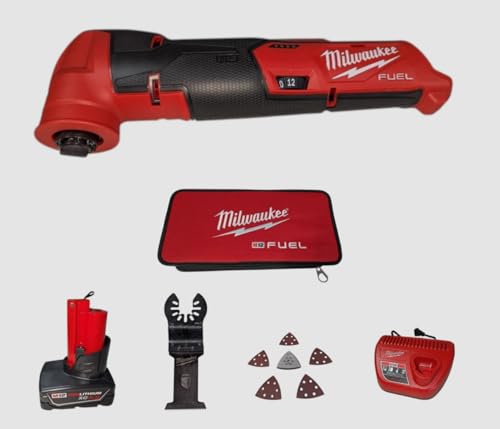
Milwaukee M12 FUEL 12V Lithium-Ion Cordless Oscillating Multi-Tool Kit w/High Output 2.5 Ah Battery, Charger, Accessories & Bag
For users who need more power and can accept a larger, heavier tool, the Milwaukee 2836-20 M18 FUEL Brushless Lithium-Ion Cordless Oscillating Multi-Tool (Tool Only) offers the 18-volt platform’s extra torque. It is a tool-only listing, so it fits buyers who already have M18 batteries.
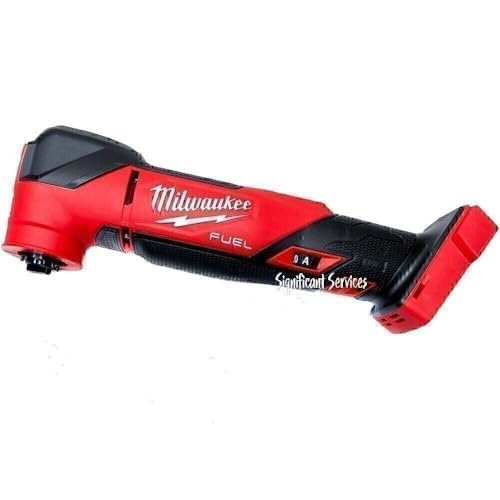
Milwaukee 2836-20 M18 FUEL Brushless Lithium-Ion Cordless Oscillating Multi-Tool (Tool Only)
For general context on choosing between these platforms, see M12 Oscillating Multi Tool: How to Choose and Use One Well (2026) and Cordless Oscillating Multi Tool Dewalt vs Milwaukee: Which Should You Choose?. If voltage class is your main question, 12V vs 18V/20V Max vs Higher-Voltage Cordless Tools explains the tradeoffs in detail. For blade and plunge-cut technique, read How to Make Plunge Cuts with an Oscillating Multi-Tool and Oscillating Multi-Tools: Blades, Plunge Cuts and Sanding Attachments.
FAQ
Is the m12 fuel 12v lithium-ion cordless oscillating multi-tool powerful enough for DIY work?
For trim, flush cuts, light sanding, and small grout jobs, it is generally sufficient. Heavier materials and long sessions will feel slower than with an 18-volt tool.
Does this listing include a battery and charger?
No. The ASIN B08JWL1PBV listing is tool-only. You need a compatible M12 battery and charger, or you can choose a kit that includes them.
Can I use standard oscillating blades with it?
Yes, in general. The tool accepts common oscillating multi-tool blades, though you should confirm the blade interface on the product page before buying accessories.
How does it compare to the 18-volt FUEL oscillating tool?
The 12-volt model is lighter and smaller, with less torque and typically shorter run time on demanding work. The 18-volt model suits heavier tasks and buyers who already own M18 batteries.
Is it good for cutting plunge cuts in drywall?
Yes, drywall and thin subfloor are realistic applications. Make shallow passes and avoid forcing the blade into thick material.
What batteries work with it?
M12 lithium-ion battery packs. Larger capacity packs give longer run time, which matters for sanding and grout work.
Is it suitable for cutting metal?
It can handle thin sheet metal and fasteners with the right blade, but it is not a substitute for a dedicated metal-cutting tool on thick stock.
Should I wear protection when using an oscillating tool?
Yes. Wear eye protection and a dust mask, and use hearing protection for extended cutting. If you are unsure about electrical work near wiring or plumbing, consult a licensed professional before cutting.
Final Verdict
The m12 fuel 12v lithium-ion cordless oscillating multi-tool is a strong pick for buyers already invested in the M12 platform who need a light, capable oscillator for trim, flush cuts, and tight-space work. Its brushless design and shared battery system give it real appeal, while its modest torque and battery limits make it a poor choice for heavy demolition or buyers starting from zero.
View on AmazonBefore you buy: helpful guides
About Caleb Morgan
Caleb Morgan is part of our editorial team and reviews and edits our power tools guides, checking product details against manufacturer specifications and owner feedback.



