
 By Caleb Morgan
Updated November 2026
Shoppers searching for a delta 10-inch miter saw usually want one thing: a saw that cuts square, holds its settings and fits the work they do, whether that is trim in a finished room, framing lumber on a job site, or occasional shop projects. This list is built around five selection criteria: cut capacity and bevel range, the type of head (compound, sliding or dual bevel), how the saw handles accuracy and alignment, portability and footprint, and the patterns owners commonly describe after long-term use. Nothing here is based on our own bench testing; it draws on published specifications, brand reputation and recurring owner feedback.
Our top picks at a glance
- 1
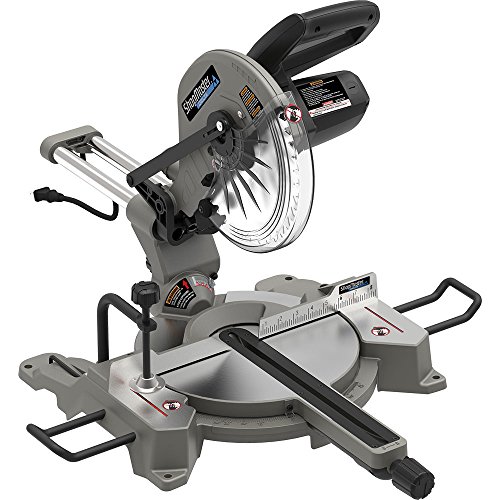 TOP CHOICEBest overallDelta 10 in. Compound Sliding Miter SawView on Amazon
- 2
 TOP CHOICEBest for wider boardsDelta 26-2312 12-inch Dual Bevel Sliding Miter SawView on Amazon
- 3
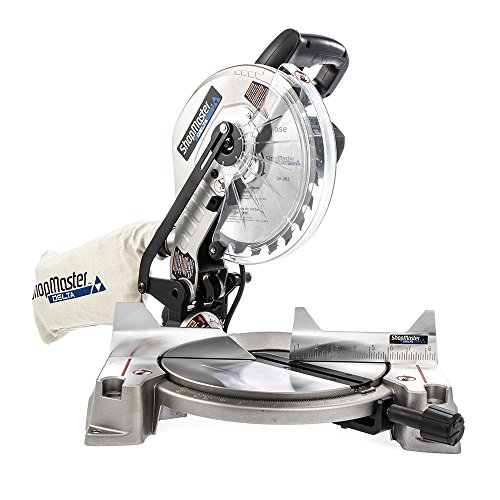 TOP CHOICEBest for shop accuracyDelta Power Equipment Corporation S26-262L 10" Shop Master Miter Saw with LaserView on Amazon
- 4
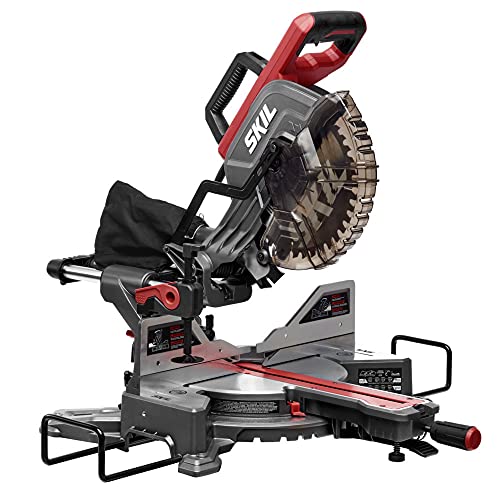 Best for dual bevel cutsSKIL 10" Dual Bevel Sliding Compound Miter Saw-MS6305-00View on Amazon
- 5
 Best budget pickMarvtool 10-inch Compound Miter SawView on Amazon
- 6
 Best for trim and framingDEWALT Miter Saw, Single Bevel, Compound, 10-Inch, 15-Amp (DWS713)View on Amazon
- 7
 Best for laser-guided cutsMakita LS1019L 10" Dual-Bevel Sliding Compound Miter Saw with LaserView on Amazon
Our Top Picks
| Product | Best for | Key feature |
|---|---|---|
| Delta 10 in. Compound Sliding Miter Saw | Overall use across trim and general cuts | Sliding compound head for wide crosscuts |
| Delta 26-2312 12-inch Dual Bevel Sliding Miter Saw | Wider boards and larger stock | 12-inch blade with 18-inch crosscut capacity |
| Delta Shop Master S26-262L 10-inch Miter Saw with Laser | Home shops that value accuracy | Built-in laser line guide |
| SKIL 10-inch Dual Bevel Sliding Compound Miter Saw | Angled cuts in both directions | Dual bevel head |
| Marvtool 10-inch Compound Miter Saw | Light-duty and budget-minded buyers | Single bevel with extension table |
| DEWALT Miter Saw, Single Bevel, 10-Inch (DWS713) | Trim, framing and repeat square cuts | 15-amp motor and single bevel simplicity |
| Makita LS1019L 10-inch Dual-Bevel Sliding Compound Miter Saw | Users who want a visible cut line | Laser marker and dual bevel |
Delta 10 in. Compound Sliding Miter Saw
Delta – 10 in. Compound Sliding Miter Saw
Best for: Overall use across trim work and general crosscuts
This is the most straightforward choice for a buyer who wants a sliding compound saw from a long-established shop-tool brand. Owners who cut mostly trim, molding and dimensional lumber tend to value the sliding rails for cutting wider stock than a fixed-head saw would allow.
Key specs
- 10-inch blade size
- Compound sliding head
- Compound miter and bevel cuts
Pros
- Sliding head increases crosscut width compared with a fixed saw
- Familiar brand with broad parts and accessory availability
- Well suited to repeat trim and molding cuts
Cons
- Sliding mechanisms need periodic cleaning to stay smooth
- Blade and fence alignment should be checked on arrival
Bottom line: A strong first saw for a home shop or a remodeler who needs one saw that handles most trim and general crosscut work.
View on AmazonDelta 26-2312 12-inch Dual Bevel Sliding Miter Saw
Delta 26-2312- 12” Dual Bevel Sliding Miter Saw, 15-AMP Motor, 18” Crosscut Capacity, 4000 RPM Speed
Best for: Wider boards and larger stock
Buyers who regularly cut wider boards, deck stock or larger trim will find the 12-inch blade and generous crosscut capacity more useful than a 10-inch model. It suits a garage or job-site setup where bigger stock is common.
Key specs
- 12-inch blade size
- Dual bevel head
- 18-inch crosscut capacity (as listed)
- 15-amp motor
- 4000 RPM speed (as listed)
Pros
- Large crosscut capacity for wide boards
- Dual bevel head reduces repositioning for angled cuts
- Sliding design keeps cut width generous
Cons
- Larger footprint and heavier than 10-inch saws
- May be more saw than needed for light trim work
Bottom line: Best for buyers who routinely cut wide stock and have the bench space to support a larger saw.
View on AmazonDelta Power Equipment Corporation S26-262L 10″ Shop Master Miter Saw with Laser
Delta Power Equipment Corporation S26-262L 10" Shop Master Miter Saw with Laser
Best for: Home shops that value accuracy
This model is aimed at woodworkers and hobbyists who want a visible cut line and a saw that feels settled on a benchtop. The laser guide helps with layout when you need to hit a mark rather than cut to a pencil line.
Key specs
- 10-inch blade size
- Built-in laser line guide
- Shop Master series design
Pros
- Laser line helps with precise marking
- Stable base suited to a bench or stand
- Good fit for repeat shop cuts
Cons
- Laser alignment can drift and needs occasional recalibration
- Less cut width than sliding models
Bottom line: A good pick for a home woodshop where accuracy and a clear cut line matter more than maximum crosscut width.
View on AmazonSKIL 10″ Dual Bevel Sliding Compound Miter Saw-MS6305-00
SKIL 10" Dual Bevel Sliding Compound Miter Saw-MS6305-00
Best for: Angled cuts in both directions
Users building frames, crown molding or angled trim benefit from a dual bevel head that tilts left and right, so they can flip the workpiece less often. It is a practical option for DIYers working on projects that involve many compound angles.
Key specs
- 10-inch blade size
- Dual bevel head
- Sliding compound design
Pros
- Dual bevel saves time on compound angles
- Sliding head widens crosscut capacity
- Good match for trim and molding work
Cons
- Dual bevel mechanisms add setup steps when adjusting angles
- Owners often recommend checking detent accuracy after setup
Bottom line: A sensible choice for DIYers who make frequent angled cuts and want both bevel directions in one saw.
View on AmazonMarvtool 10-inch Compound Miter Saw
Marvtool 10-inch Compound Miter Saw, 5000RPM, 15 Amp, Single Bevel 0-45° with Extension Table, 36T Blade, Power Saw for Metal, Plastic, Wood, Laminates
Best for: Light-duty use and budget-minded buyers
This is a budget pick for occasional users who need a basic compound saw for light trim, craft projects or small repairs. It is not positioned as a heavy-duty framing saw, so match expectations accordingly.
Key specs
- 10-inch blade size
- Single bevel, 0–45 degrees (as listed)
- Extension table included (as listed)
- 15-amp motor
Pros
- Budget-friendly entry point into compound saws
- Included extension table helps support longer stock
- Simple single-bevel setup is easy to learn
Cons
- Fewer owner-reported refinements than established brands
- Better suited to light use than daily framing
Bottom line: Worth considering if you need a basic compound saw for occasional work and want to keep the purchase modest.
View on AmazonDEWALT Miter Saw, Single Bevel, Compound, 10-Inch, 15-Amp (DWS713)
DEWALT Miter Saw, Single Bevel, Compound, 10-Inch, 15-Amp (DWS713)
Best for: Trim, framing and repeat square cuts
A single bevel compound saw with a 15-amp motor suits people who make the same kinds of cuts repeatedly and want a simple, dependable setup. Owners often describe it as a workhorse for trim and framing tasks. A related read: Single Bevel Miter Saw: 6 Best Picks Compared for 2026.
Key specs
- 10-inch blade size
- Single bevel compound design
- 15-amp motor
Pros
- Simple single bevel setup is quick to use
- 15-amp motor suits regular cutting
- Broad support from a major power tool brand
Cons
- Single bevel means flipping stock for opposite-direction bevels
- Fixed head offers less crosscut width than sliding saws
Bottom line: A solid pick for anyone whose cutting is mostly straight and compound angles in one direction.
View on AmazonMakita LS1019L 10″ Dual-Bevel Sliding Compound Miter Saw with Laser
Makita LS1019L 10" Dual-Bevel Sliding Compound Miter Saw with Laser
Best for: Users who want a visible cut line
This model combines a dual bevel sliding head with a laser marker, which many buyers find helpful when lining up trim or layout marks on a job site. It fits users who value visual guidance as much as capacity.
Key specs
- 10-inch blade size
- Dual bevel sliding compound head
- Laser cut-line marker
Pros
- Laser marker helps line up cuts quickly
- Dual bevel and sliding head cover many cut types
- Makita brand has strong support for cordless and corded tools
Cons
- Laser marker can be less visible in bright sunlight
- Sliding rails need regular cleaning in dusty environments
Bottom line: Well suited to buyers who want dual bevel versatility plus a laser guide for everyday layout work.
View on AmazonBuying Guide
Blade size and cut capacity
A 10-inch blade typically cuts less depth than a 12-inch blade, so check the vertical cut height and the crosscut width at 0 degrees for your most common boards. A nominal 2×10 or 2×12 may need a larger saw or a sliding head to cut in one pass.
Good picks for this: Delta 26-2312 12-inch Dual Bevel Sliding Miter Saw; Delta 10 in. Compound Sliding Miter Saw
Single bevel versus dual bevel
A single bevel saw tilts in one direction, which is simpler and often more precise for repeat cuts. A dual bevel saw tilts both ways, saving time on compound angles but adding a bit more setup.
Good picks for this: SKIL 10-inch Dual Bevel Sliding Compound Miter Saw; DEWALT Miter Saw, Single Bevel (DWS713)
Sliding versus fixed head
Sliding saws pull the blade forward on rails, which widens the crosscut capacity. Fixed-head saws are lighter, more compact and often easier to keep square over time.
Good picks for this: Delta 10 in. Compound Sliding Miter Saw; Marvtool 10-inch Compound Miter Saw
Accuracy aids and alignment
Look for features such as laser line guides, clear fence markings and easy bevel detents. Even with these, check the blade against the fence with a square after setup, and recheck periodically, since laser guides can drift.
Good picks for this: Delta Power Equipment Corporation S26-262L 10″ Shop Master Miter Saw with Laser; Makita LS1019L 10″ Dual-Bevel Sliding Compound Miter Saw with Laser
Motor and power
Many 10-inch saws in this class list a 15-amp motor. Corded saws draw steady power, which suits extended cutting sessions. Confirm the amperage and your circuit capacity before running the saw on a shared extension.
Good picks for this: DEWALT Miter Saw, Single Bevel (DWS713); Delta 26-2312 12-inch Dual Bevel Sliding Miter Saw
Portability and workspace
Measure your bench or stand before buying. Sliding and 12-inch saws have larger footprints, while compact 10-inch models are easier to move between sites. A stable stand or outfeed support improves cut quality on long stock.
Good picks for this: Delta Power Equipment Corporation S26-262L 10″ Shop Master Miter Saw with Laser; SKIL 10-inch Dual Bevel Sliding Compound Miter Saw
Blade care and replacement
Blade choice affects cut quality as much as the saw does. Use a fine-tooth blade for trim and a coarser blade for rough framing. Replace or sharpen dull blades, and keep the blade guard and fence clean so the saw continues to track accurately.
Good picks for this: DEWALT Miter Saw, Single Bevel (DWS713); Makita LS1019L 10-inch Dual-Bevel Sliding Compound Miter Saw with Laser
FAQ
Is a delta 10-inch miter saw enough for framing lumber?
A 10-inch saw can cut most framing dimensions, but a 2×10 or wider board may require a sliding head or a 12-inch saw to cut in one pass. For regular framing, check the vertical cut height of the specific model before buying.
What is the difference between a compound and a sliding miter saw?
A compound miter saw tilts the blade (bevel) and swings it sideways (miter). A sliding compound saw adds rails that move the blade forward, which widens the crosscut capacity for wider boards.
Do I need a laser guide on a miter saw?
A laser guide is optional. It can speed up layout and help you line up marks, but it should be checked against the actual blade position, since owners often report that lasers can drift out of alignment over time.
How often should I check miter saw alignment?
Check the blade-to-fence square when you set up the saw and again after heavy use or if you drop it. Use a reliable square and make small adjustments according to the manufacturer’s instructions in the manual.
What blade should I use for trim versus framing?
Fine-tooth blades with more teeth produce cleaner cuts in trim and finish work. Coarser blades remove material faster and suit rough framing. Match the blade to the material and the finish you need.
Can a single bevel saw cut compound angles?
Yes. A single bevel compound saw can cut compound angles, but bevels only tilt one way, so opposite-direction cuts require flipping the stock. A dual bevel saw avoids that step.
Conclusion
For most buyers, the Delta 10 in. Compound Sliding Miter Saw is a versatile starting point, especially for trim and general crosscuts. If you regularly cut wider stock, the Delta 26-2312 12-inch model gives you more capacity. Shops that prioritize a visible cut line should look at the Delta Shop Master with Laser or the Makita LS1019L. Budget-minded or occasional users may consider the Marvtool, while the DEWALT single bevel suits repeat straight and compound cuts. Match the head type, capacity and footprint to your actual projects before you buy.
Sources
- Workplace power tool and saw safety requirements, including guarding and operation guidance (osha.gov)
- Consumer product safety information for power saws and recall notices (cpsc.gov)
- Measurement and calibration resources relevant to checking square and alignment (nist.gov)
Related reading
- Top 3 DeWalt Compound Miter Saw 12 Inch Picks Compared for Home and Job Sites
- Ryobi Compound Miter Saw 10-Inch: 3 Best Picks Compared (2026)
- Makita Miter Saw 12 Inch: How to Choose and Use One Safely (2026)
- Delta Miter Saw Stand: 5 Best Options for Job Sites and Garages (2026)
- Craftsman Compound Miter Saw 10 Inch: 3 Best Picks Compared (2026)
About Caleb Morgan
Caleb Morgan is part of our editorial team and reviews and edits our power tools guides, checking product details against manufacturer specifications and owner feedback.





