 By Emily Parker
Updated November 2026
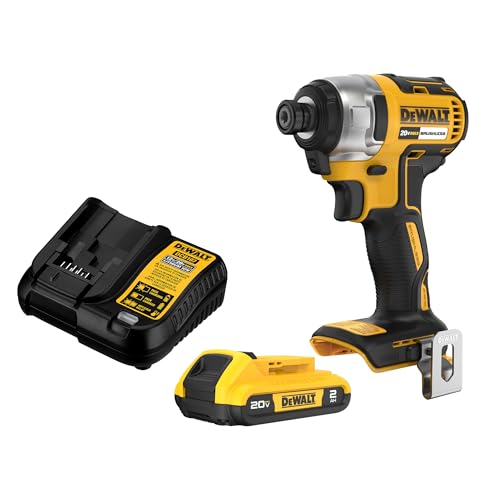
A dewalt cordless hammer drill 20v is a versatile tool that handles wood, metal and masonry with a simple switch of modes. This guide explains how to match the drill to your jobs, set it up correctly, and get clean results in brick, block and concrete without overheating the battery or wearing out bits.
Choose the Right Drill for Your Jobs
Start with the materials you drill most. A standard drill driver is enough for wood and light metal, but a hammer function adds a rapid in-and-out impact that breaks up masonry. Most dewalt 20v hammer drill models offer a drill-only mode and a hammer mode, so you can use one tool for both. For a broader look at how these tools differ, see DeWalt Drill Hammer Cordless: How to Choose and Use One (Step-by-Step).
Shopping for one? See our guide: 6 Best Dewalt 20v Max Xr Cordless Drills for Home Use (2026).
Check the chuck size and the number of speed settings. A 1/2-inch chuck accepts larger bits and is useful for masonry anchors. Two-speed gearboxes give you low torque for driving and higher speed for drilling holes.
Set Up the Drill for Hammer Work
- Install a carbide-tipped masonry bit that matches your anchor diameter.
- Turn the mode collar to the hammer-drill setting (the symbol usually shows a drill bit with impact marks).
- Select the low-speed gear for large bits and the high-speed gear for small ones.
- Set the clutch to the drill position, not the driver position, so the bit doesn’t slip.
- Charge the battery fully and keep a spare nearby for longer sessions.
For a clear walkthrough of tool choices across brands, Milwaukee Cordless Drill Hammer: How to Choose and Use One Right compares the same basic features.
Drill Masonry, Wood and Metal Correctly
Masonry and Concrete
Mark the hole, then start slowly to create a shallow guide. Apply steady, moderate pressure and let the hammer action do the work. Pushing harder usually slows the bit and heats the tool. Clear dust from the hole every 15 to 20 seconds on deep holes so the bit keeps cutting.
Wood and Metal
Switch the collar to drill-only mode. For metal, use a sharp high-speed steel bit and a drop of cutting oil. For wood, a brad-point bit keeps the entry point clean. Lower speed and steady pressure give the best results in both.
Common Mistakes and Tips
- Leaving the drill in hammer mode for wood or metal, which chips bits and damages the workpiece.
- Using a standard twist bit in masonry instead of a carbide-tipped bit.
- Forcing the drill so the motor stalls; let the tool do the work.
- Drilling dry concrete without clearing dust, which glazes the bit.
- Running the battery until it is fully drained, which shortens its life.
Recommended Gear
A set of carbide masonry bits in common anchor sizes saves time on concrete and block jobs. View on Amazon
A depth stop attachment helps you drill repeatable hole depths for anchors and plugs. View on Amazon
A spare 20V battery keeps you working while the other charges. View on Amazon
FAQ
Can a dewalt cordless hammer drill 20v make holes in concrete?
Yes, when used in hammer mode with a carbide-tipped masonry bit. Use moderate pressure and clear dust regularly for best results.
What is the difference between hammer mode and drill mode?
Hammer mode adds rapid impacts for masonry, while drill mode rotates the bit without impacts for wood and metal. Using the wrong mode can damage bits and workpieces.
How do I know when to change the battery?
If runtime drops sharply or the tool loses power under light load, the battery is likely worn. Consult the manufacturer’s guidance or a qualified technician before attempting any battery repairs.
Conclusion
A dewalt cordless hammer drill 20v covers wood, metal and masonry when you match the mode to the material. Set up the tool correctly, use the right bits, and let the impact do the work. With those habits, you’ll get clean holes and longer tool life.
Related reading
Ready to choose one?
About Emily Parker
Emily Parker is part of our editorial team and reviews and edits our power tools guides, checking product details against manufacturer specifications and owner feedback.