By Emily Parker
Updated November 2026
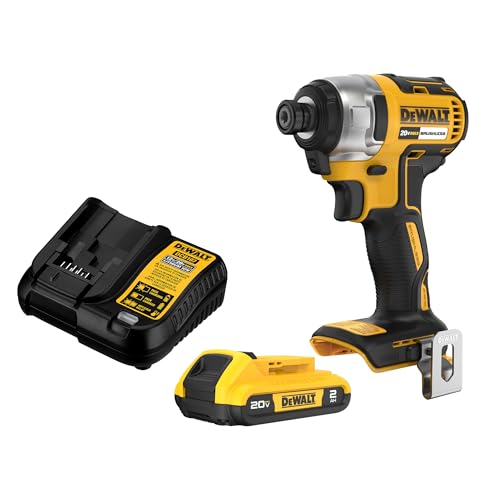
To charge a cordless drill battery, match the battery to its charger, seat it fully, plug the charger into a grounded outlet and wait for the indicator to show a full charge. Done this way, you protect the cells and get the most runtime from each session. The steps below cover the basics, plus the habits that keep a pack healthy over years of use.
Before You Start: Check the Battery and Charger Pairing
Most cordless drill batteries only work with chargers from the same brand and voltage platform. A 20V MAX battery will not fit a 12V charger, and mixing platforms through adapters is not a safe shortcut. Check the label on the battery and the charger base before you begin. If you are unsure which charger fits your pack, the guide on Charger for Cordless Drill: How to Pick, Match and Care for One (2026) walks through the matching process.
Shopping for one? See our guide: 6 Best Ridgid Cordless Drill Battery Options for Every Job (2026).
How to Charge a Cordless Drill Battery Step by Step
- Confirm the battery and charger share the same voltage and brand platform.
- Let a hot battery cool to room temperature before charging. Most chargers will flash a warning or refuse to start if the pack is too hot or too cold.
- Line up the battery rails with the charger slot. Push the pack in until it seats flush and you feel it lock.
- Plug the charger into a working, grounded outlet. Avoid extension cords and power strips when possible.
- Watch the indicator. A red or flashing light usually means charging is in progress. A solid green or steady full light means the pack is ready.
- Remove the battery once it reads full, and let it rest for a few minutes before using it.
Reading Charger Lights and Typical Charge Times
Charge times vary by battery capacity and charger design. Manufacturers usually list approximate times on the packaging or in the manual, and a standard charger often takes well over an hour for a full charge, while a rapid charger can finish much sooner. Use the table below as a general reference for what different indicator states usually mean.
| Indicator state | What it usually means | What to do |
|---|---|---|
| Red or flashing light | Charging in progress | Leave the battery in place |
| Solid green or steady full light | Charge complete | Remove and use |
| Fast blinking or error light | Battery too hot or too cold, or a fault | Move to a room-temperature area, then retry. Replace if it persists. |
Charging Habits That Extend Battery Life
Lithium-ion packs do not need to be fully drained before recharging, and they do not benefit from being left on the charger for days after they are full. Keep the battery in a moderate temperature range, store it partly charged if you will not use it for weeks, and avoid charging in direct sun or on a hot truck bed. Most manufacturers recommend storing lithium packs at a partial charge rather than empty or full.
Common Mistakes to Avoid
- Forcing a battery into a charger that does not match its platform.
- Charging a battery that is hot straight off a heavy drilling job.
- Using a damaged cord, cracked housing or a charger that gets unusually hot.
- Storing a pack fully discharged for long periods, which can hurt capacity.
- Ignoring a battery that will not hold a charge; it may be time to compare options in Replacement Cordless Drill Batteries: How to Choose and Swap One (2026).
Recommended Gear
- Spare battery pack: Keeping a second pack on the charger lets you work continuously while the first one charges. View on Amazon
- Dual-port charger: A charger that handles two packs at once saves time on bigger jobs. View on Amazon
FAQ
Can I leave a cordless drill battery on the charger overnight?
Most modern chargers stop or switch to a maintenance mode once the pack is full, so overnight charging is generally safe with a quality charger. Still, unplugging after a full charge is a good habit if you want to limit heat exposure.
Why does my battery charge but die quickly?
Repeated heavy use, heat and age all reduce capacity over time. If runtime has dropped noticeably even after a full charge, the cells are likely wearing out and the pack should be replaced.
Can I use a different brand’s charger in a pinch?
It is not recommended. Chargers are designed for specific battery chemistry and voltage, and using the wrong one can damage the pack or create a safety hazard. Stick with the charger designed for your platform.
Conclusion
Charging a cordless drill battery is simple when you match the pack to its charger, seat it fully and watch the indicator. Following a few habits around temperature and storage will keep your batteries performing longer. If a pack stops holding charge, that is the point to compare replacements rather than keep pushing an aging battery.
Related reading
- Replacement Cordless Drill Batteries: How to Choose and Swap One (2026)
- Ryobi Cordless Drill and Battery: 5 Best Picks for Home Use (2026)
- Power Drill Cordless Set: How to Choose the Right Kit (2026)
Ready to choose one?
About Emily Parker
Emily Parker is part of our editorial team and reviews and edits our power tools guides, checking product details against manufacturer specifications and owner feedback.