 By Caleb Morgan
Updated November 2026
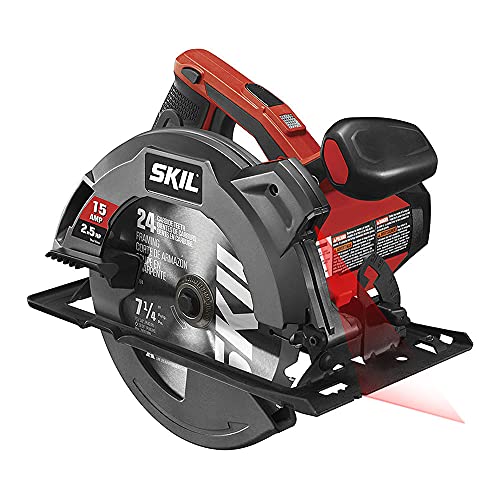
Learning how to use a Ryobi circular saw comes down to four things: setting up the saw correctly, checking the blade and guard, supporting your workpiece, and making a steady, controlled cut. Once you have those basics down, you can handle most framing, sheathing and general cutting jobs with confidence. The steps below walk through each part in order.
Set Up the Saw and Workpiece
Start by unplugging a corded saw or removing the battery from a cordless model. Check that the blade is sharp, undamaged and rated for the material you plan to cut. Most Ryobi models accept standard carbide-tipped blades, but confirm the diameter and arbor size against your saw’s manual before you buy a replacement.
Shopping for one? See our guide: 7 Best DeWalt Electric Circular Saw Models for Home and Jobsite Use.
Next, set the cutting depth. The blade should extend about 1/4 inch below the bottom of the material. A shallower setting leaves the cut incomplete, while a deeper one exposes more blade than necessary and increases kickback risk.
Secure the workpiece on sawhorses or a stable surface, with the cut line hanging over the support. Clamp it down if possible. Never let the offcut sag, since a pinched blade can bind and kick back.
Make the Cut Safely
Stand to the side of the saw’s path, not directly behind it. Hold the saw with both hands, keeping your dominant hand on the rear handle and your other hand on the front handle. Keep the shoe (base plate) flat against the material before you start the motor.
- Align the blade with your cut line, keeping the saw’s blade on the waste side if precision matters.
- Squeeze the trigger and let the blade reach full speed before it touches the wood.
- Advance the saw steadily and smoothly. Let the blade do the work instead of forcing it.
- Release the trigger when the cut is complete, and wait for the blade to stop before lifting the saw away from the workpiece.
Using the Guide and Fence for Straight Cuts
For long, straight rips, a straightedge or a guide rail makes a big difference. Clamp the guide to the material, measure the distance from the guide edge to the blade, and run the saw along it. If you cut frequently, a dedicated ripping fence for circular saw setup is worth learning, and you can read about Ripping Fence for Circular Saw: How to Set Up and Use One for Straight Rip Cuts for that process.
Common Mistakes and Tips
- Cutting with the blade set too deep. Keep the exposed blade to roughly 1/4 inch below the material.
- Forcing the saw through the cut. Rushing causes wandering lines and motor strain.
- Failing to support both sides of the cut. Unsupported offcuts pinch the blade.
- Skipping the guard check. Confirm the lower guard retracts freely and returns fully.
- Using a dull or wrong-type blade. A worn blade burns wood and increases binding.
Recommended Gear
- Clamps: Hold the workpiece and guide firmly so the material cannot shift during the cut. View on Amazon
- Circular saw guide rail: Helps produce long, straight rips without a freehand wobble. View on Amazon
- Eye and ear protection: Blocks sawdust, debris and loud motor noise during every cut. View on Amazon
FAQ
How deep should I set a Ryobi circular saw blade?
Set the blade so it extends about 1/4 inch below the bottom of the material. This gives a complete cut while keeping more blade exposed than needed to a minimum.
Can I use a Ryobi circular saw without a guide?
Yes, but freehand cuts are harder to keep straight, especially on long lengths. A clamped straightedge or guide rail improves accuracy considerably. You may also like How to Install Blade on Circular Saw: A Step-by-Step Guide for Beginners.
Where can I find the manual for my specific Ryobi model?
Ryobi publishes manuals on its official website, searchable by model number printed on the saw. Check there for exact blade specifications and current safety instructions.
Conclusion
Using a Ryobi circular saw safely depends on setup: correct blade depth, a sharp blade, and a fully supported workpiece. Keep your stance stable, let the blade reach full speed before cutting, and advance the saw at a steady pace. With practice on scrap material, straight cuts become second nature.
Related reading
- Circular Saw Ryobi Cordless: How to Choose and Use One Right (2026)
- Right Handed Circular Saw: How to Choose and Use One Safely
- Left Handed Circular Saw: How to Choose and Use One Safely
Ready to choose one?
About Caleb Morgan
Caleb Morgan is part of our editorial team and reviews and edits our power tools guides, checking product details against manufacturer specifications and owner feedback.