
 By Caleb Morgan
Updated November 2026
Oscillating tool dust collection matters more than most people expect. Oscillating tools throw fine dust straight up into your face and onto your work, and on jobs like flooring, plunge cuts in wood, and grinding masonry, that dust can clog the blade path and hide your cut line. The right attachment captures debris at the source, keeps the cutting area visible, and can even help you hold a consistent depth. This list narrows the field to three products based on the criteria that matter most: how well the attachment fits a standard oscillating multi-tool, whether it adds a useful depth or guide function, how it connects to a vacuum, and how well it suits the common jobs these tools handle.
Our top picks at a glance
- 1
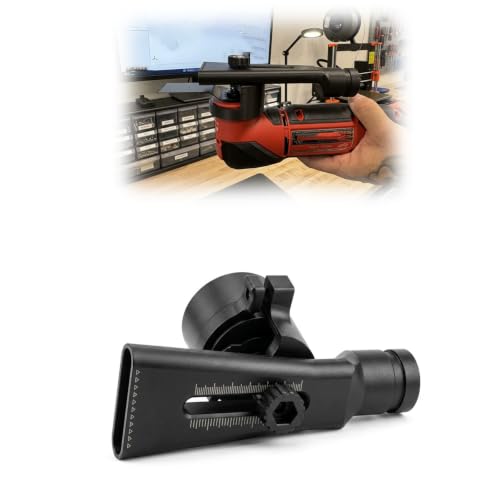 TOP CHOICEBest overallnekhfs Oscillating Tool Dust Attachment and Adjustable Depth Stop GuideView on Amazon
- 2
 Best for shop-vac setupsDustopper PRO Dust CollectorView on Amazon
- 3
 Best budget pickDastool Angle grinder dust collection attachment for Double-Cut SawView on Amazon
Our Top Picks
| Product | Best for | Key feature |
|---|---|---|
| nekhfs Oscillating Tool Dust Attachment and Adjustable Depth Stop Guide | Woodworking and flooring cuts that need depth control | Combined debris collection and adjustable depth stop |
| Dustopper PRO Dust Collector | Shop vacuum users who want serious extraction | Cyclone separator design with 90-degree elbows and hose adapters |
| Dastool Angle grinder dust collection attachment for Double-Cut Saw | Budget-minded users doing wall chasing and grinding-style work | Dust shroud format that works with a range of cutting heads |
nekhfs Oscillating Tool Dust Attachment and Adjustable Depth Stop Guide
nekhfs Oscillating Tool Dust Attachment and Adjustable Depth Stop Guide | Dual-function accessory combining debris collection and cutting depth control for woodworking, flooring
Best for: Woodworking and flooring cuts that need depth control
This is the pick for anyone who regularly cuts into flooring, trim, or wood and wants both dust control and a repeatable cutting depth. The guide function is especially useful when you are cutting a channel or notch and do not want the blade to go deeper than planned.
Key specs
- Dual-function design: debris collection plus adjustable depth stop
- Designed for oscillating multi-tool use in woodworking and flooring
- Adjustable guide for controlling cut depth
Pros
- Combines dust control and depth control in one accessory
- Helps keep cuts consistent when trimming flooring or door casings
- Keeps the cutting line visible by clearing debris from the work area
Cons
- Works best for specific woodworking and flooring tasks rather than all masonry work
- Depth stop adds a setup step each time the blade or cut depth changes
Bottom line: A strong choice for trim carpenters and flooring installers who want dust control and depth precision in a single accessory.
View on AmazonDustopper PRO Dust Collector
Low-Profile Dust Collection System with 90 Degree Elbows & Hose Shop Vac Attachments, Wet/Dry Shop Vacuums 5HP+, Made in USA PRO Dust Collector – 99.9% Efficiency Cyclone Dust Separator
Best for: Shop vacuum users who want serious extraction
This suits people who already own a wet/dry shop vacuum and want a dedicated cyclone separator to keep fine dust out of the filter. It is better suited to a shop or garage setup than to a quick job on the go.
Key specs
- Cyclone dust separator design
- Includes 90-degree elbows and hose shop vac attachments
- Designed for wet/dry shop vacuums
Pros
- Cyclone separation keeps bulk debris out of the vacuum filter
- Low-profile body suits tight shop setups
- Elbows and hose adapters simplify connection to a vacuum
Cons
- Requires a compatible shop vacuum and is bulkier than a clip-on attachment
- Better for fixed shop work than for portable jobs away from the vacuum
Bottom line: Best for users who already run a shop vacuum and want a separator-based system rather than a basic shroud.
View on AmazonDastool Angle grinder dust collection attachment for Double-Cut Saw
Dastool Angle grinder dust collection attachment for Double-Cut Saw,Wall Chaser dust shroud 5 inch AG03
Best for: Budget-minded users doing wall chasing and grinding-style work
This is a shroud-style attachment aimed at users who want a basic dust shield for wall chasing and cutting tasks rather than a full extraction system. It is a practical entry point for occasional use.
Key specs
- Dust shroud format
- Designed for angle grinder and double-cut saw style work
Pros
- Simple shroud design that is easy to fit
- Directs dust away from the cutting area for basic jobs
- Budget-friendly option for occasional users
Cons
- Without a vacuum connection, capture is limited compared with extraction systems
- Fit and compatibility should be checked against your specific tool model
Bottom line: A reasonable starting point for light dust control on wall chasing and grinding tasks, especially if you do not need a full vacuum setup.
View on AmazonBuying Guide
Connection to a vacuum
Check whether the attachment accepts a standard vacuum hose size. Many shop vacuums use hoses around 1-1/4 inch or 1-1/2 inch, and adapters can bridge the gap. A tight, leak-free connection matters more than raw suction specs, because air leaks at the joint reduce capture noticeably.
Good picks for this: Dustopper PRO Dust Collector, nekhfs Oscillating Tool Dust Attachment and Adjustable Depth Stop Guide
Fit with your oscillating tool
Confirm the attachment fits your tool’s blade clamp and body. Some dust shrouds are designed around specific mounting points, and a poor fit can shift during cutting. Check the tool model before buying.
Good picks for this: nekhfs Oscillating Tool Dust Attachment and Adjustable Depth Stop Guide, Dastool Angle grinder dust collection attachment for Double-Cut Saw
Depth control
If you cut channels, notches or flooring trim, a depth stop helps keep cuts repeatable. Set the stop before you start, then make a test cut in scrap to confirm the depth before working on the finished piece.
Good picks for this: nekhfs Oscillating Tool Dust Attachment and Adjustable Depth Stop Guide
Use case
Match the attachment to the job. Flooring and trim work generates fine dust and benefits from a guide. Shop work with a vacuum rewards a separator. Occasional wall chasing may only need a basic shroud.
Good picks for this: Dustopper PRO Dust Collector, Dastool Angle grinder dust collection attachment for Double-Cut Saw
Durability
Look at the body material and how the attachment locks to the tool. Plastic components can crack under repeated tightening, so inspect fasteners and mounting points periodically and replace worn parts.
Good picks for this: nekhfs Oscillating Tool Dust Attachment and Adjustable Depth Stop Guide, Dustopper PRO Dust Collector
Size and workspace footprint
A low-profile design helps when you work in tight spaces such as under cabinets or near walls. Larger separator systems need floor or bench room and a dedicated vacuum.
Good picks for this: Dastool Angle grinder dust collection attachment for Double-Cut Saw, Dustopper PRO Dust Collector
Care and cleaning
Empty collection chambers regularly and clear hoses before dust packs and reduces airflow. Wipe down shrouds after use, and check filters on the attached vacuum. Follow the manufacturer’s cleaning instructions for your specific model.
Good picks for this: Dustopper PRO Dust Collector, nekhfs Oscillating Tool Dust Attachment and Adjustable Depth Stop Guide
FAQ
Do I need a vacuum for oscillating tool dust collection?
Not always. Shroud-style attachments reduce dust without a vacuum, but capture is much better when you connect a vacuum with an extraction system. For heavy or frequent dusty work, a vacuum connection is worth the setup.
Will a dust attachment affect cutting accuracy?
It can, if the fit is loose or the attachment shifts. Secure mounting and a depth guide usually help accuracy. Always test on scrap first.
Can I use a shop vacuum with any oscillating tool attachment?
Check hose diameter and fittings. Adapters are often needed to match a standard shop vacuum hose to an attachment port.
Is oscillating tool dust hazardous?
Fine dust from wood, drywall, tile and masonry can irritate the lungs and eyes, and some materials carry specific risks. Wear a properly fitted respirator rated for the dust type and eye protection. For guidance on silica and other hazardous dust, consult a qualified safety professional or the agencies listed below.
How do I keep the dust collector from clogging?
Empty collection chambers often, avoid running a wet, clumpy material through a dry system, and clear hoses when airflow drops. Regular cleaning keeps performance steady.
Should I choose a separator or a shroud?
Choose a separator if you run a shop vacuum and work regularly with dust. Choose a shroud for lighter, occasional jobs where portability and simplicity matter more.
Conclusion
For most woodworking and flooring cuts where depth control matters, the nekhfs attachment is the most well-rounded choice. Users who already own a shop vacuum and do frequent dusty work will get more from the Dustopper PRO cyclone system. If you want a basic, lower-commitment shroud for wall chasing or grinding-style tasks, the Dastool attachment is a practical starting point. Always confirm fit with your specific tool before buying.
Sources
- Workplace standards and guidance on respirable crystalline silica and dust exposure during cutting and grinding (osha.gov)
- Health information on dust exposure, respiratory protection and occupational safety (cdc.gov)
- Standards and measurement resources relevant to dust and workplace safety practices (nist.gov)
Related reading
- How to Make Plunge Cuts with an Oscillating Multi-Tool
- Who Makes the Best Oscillating Tool? DeWalt vs Milwaukee (2026)
- Who Invented the Oscillating Multi Tool? The History Behind the Tool
- What Is an Oscillating Multi Tool Used For? Common Jobs and How to Start
- What Is Oscillating Tool Used For? Common Jobs and How to Choose
About Caleb Morgan
Caleb Morgan is part of our editorial team and reviews and edits our power tools guides, checking product details against manufacturer specifications and owner feedback.



