
 By Caleb Morgan
Updated November 2026
Shopping for a ryobi 10-inch miter saw means balancing cut capacity, power source and how much bench space you have. This list ranks options by how well they match common jobs such as trim work, framing lumber and general shop cutting. We weighed blade size, bevel and miter range, cutting capacity, portability and the kind of feedback owners tend to share about accuracy and setup. Every pick below is a 10-inch class saw or a close relative of that size.
Our top picks at a glance
- 1
 TOP CHOICEBest overallDEWALT Miter Saw, Single Bevel, Compound, 10-Inch, 15-Amp (DWS713)View on Amazon
- 2
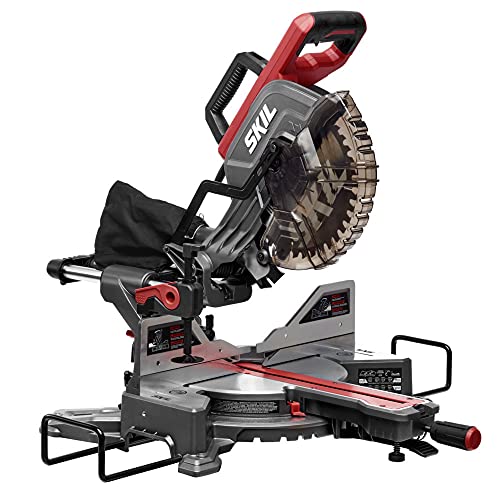 TOP CHOICEBest for sliding capacitySKIL 10" Dual Bevel Sliding Compound Miter Saw-MS6305-00View on Amazon
- 3
 TOP CHOICEBest for cordless useRYOBI ONE+ 18V Cordless 7-1/4 in. Sliding Compound Miter SawView on Amazon
- 4
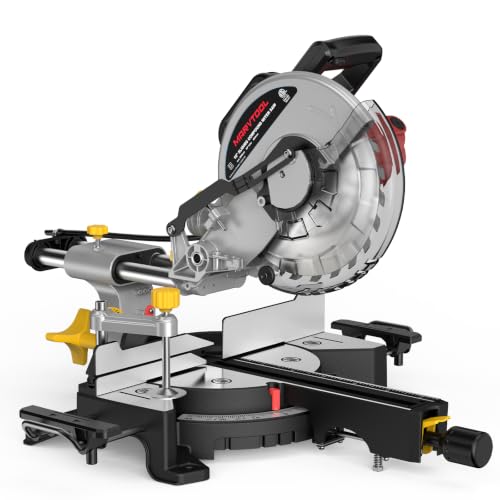 Best for budget shopsMarvtool 10-inch Sliding Compound Miter Saw, 5000RPM, 15 AmpView on Amazon
- 5
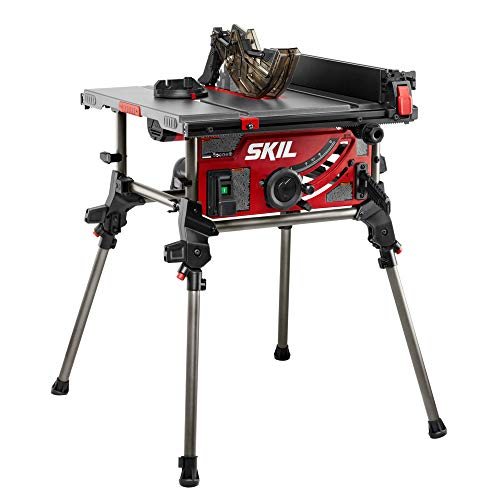 Best for benchtop jobsSKIL 15 Amp 10-Inch Jobsite Table Saw with Folding Stand-TS6307-00View on Amazon
- 6
 Best for compact trim workSKIL 10 Amp 7-1/4" Single Bevel Miter Saw with Compact Rail System & LView on Amazon
Our Top Picks
Quick Comparison
| Product | Best for | Key feature |
|---|---|---|
| DEWALT Miter Saw, Single Bevel, Compound, 10-Inch, 15-Amp (DWS713) | Overall use | Corded 15-amp motor |
| SKIL 10″ Dual Bevel Sliding Compound Miter Saw-MS6305-00 | Wide boards | Dual bevel, sliding head |
| RYOBI ONE+ 18V Cordless 7-1/4 in. Sliding Compound Miter Saw | Job site cuts | Battery-powered portability |
| Marvtool 10-inch Sliding Compound Miter Saw | Budget shops | Extension table included |
| SKIL 15 Amp 10-Inch Jobsite Table Saw with Folding Stand-TS6307-00 | Benchtop work | Folding stand |
| SKIL 10 Amp 7-1/4″ Single Bevel Miter Saw with Compact Rail System | Compact trim work | LED shadow line |
DEWALT Miter Saw, Single Bevel, Compound, 10-Inch, 15-Amp (DWS713)
DEWALT Miter Saw, Single Bevel, Compound, 10-Inch, 15-Amp (DWS713)
Best for: Overall use
A solid choice for DIYers who want a corded 10-inch saw for framing and trim without a battery to manage. A related read: 5 Best Craftsman Miter Saw 10-Inch Models for Accurate Cuts.
Pros
- 15-amp motor suited to repeated dimensional lumber cuts
- Single bevel design keeps setup simple
Cons
- Single bevel means flipping the workpiece for opposite-direction bevels
SKIL 10″ Dual Bevel Sliding Compound Miter Saw-MS6305-00
SKIL 10" Dual Bevel Sliding Compound Miter Saw-MS6305-00
Best for: Wide boards
Suits shops that cut wide stock, such as shelving or deck boards, and want bevels to both sides without repositioning.
Pros
- Dual bevel reduces flipping for compound cuts
- Sliding head increases crosscut capacity on wider boards
Cons
- Sliding mechanisms need periodic cleaning and alignment checks
RYOBI ONE+ 18V Cordless 7-1/4 in. Sliding Compound Miter Saw
RYOBI ONE+ 18V Cordless 7-1/4 in. Sliding Compound Miter Saw | Battery and Charger Sold Separately
Best for: Job site cuts
A fit for owners already invested in the RYOBI ONE+ 18V battery platform who need to cut away from an outlet. Battery and charger are sold separately.
Pros
- No cord, useful for decks, framing and remote trim
- Sliding design adds crosscut reach
Cons
- Its 7-1/4 inch blade gives less capacity than a true 10-inch saw
Marvtool 10-inch Sliding Compound Miter Saw, 5000RPM, 15 Amp
Marvtool 10-inch Sliding Compound Miter Saw, 5000RPM, 15 Amp, Single Bevel 0-45° with Extension Table, 36T Blade, Power Saw for Metal, Plastic, Wood, Laminates
Best for: Budget shops
Aimed at hobbyists and small shops that want a sliding 10-inch saw with an extension table and a 36-tooth blade in the box.
Pros
- Extension table and included blade add usable support
- 0-45 degree bevel range covers common angled cuts
Cons
- Less established brand support than the major names
SKIL 15 Amp 10-Inch Jobsite Table Saw with Folding Stand-TS6307-00
SKIL 15 Amp 10-Inch Jobsite Table Saw with Folding Stand-TS6307-00 | Folding stand
Best for: Benchtop work
Good for owners who need a portable cutting station that folds away between projects.
Pros
- Folding stand makes storage and transport easier
- 15-amp motor for everyday ripping and cross cuts
Cons
- This is a table saw, so it is a different tool type than a true miter saw
Buying Guide
Blade Size and Cut Capacity
Most ryobi 10-inch miter saw models use a 10-inch blade, which gives you a useful crosscut width on dimensional lumber and trim. Check the maximum cut width and height in the product details, since sliding models generally handle wider boards than fixed-head designs. If you plan to cut wide crown molding or large stock, capacity matters more than any other spec.
Single Bevel Versus Dual Bevel
A single bevel saw tilts in one direction, which is simpler and often more affordable. A dual bevel saw tilts both ways, so you can make angled cuts without flipping your workpiece, which saves time on framing and repeated angle work. Think about how often you cut compound angles before deciding.
Sliding Versus Non-Sliding Design
Sliding saws use rails to pull the blade across the cut, giving you more width in a smaller footprint than fixed-head saws. Non-sliding models are usually lighter and easier to store, and they work well for narrower stock. Consider your workspace and the typical width of the boards you cut.
Power Source and Portability
Corded saws deliver steady power for long sessions, while cordless options offer freedom on job sites where outlets are scarce. Cordless models depend on battery platform compatibility, so check whether the battery and charger are included or sold separately. Weight and folding stands also affect how easily you can move the saw between locations.
Accuracy Features and Setup
Look for features that help you line up cuts, such as a laser guide, LED shadow line, or positive stops at common angles. Easy-to-read miter scales and a sturdy fence make a noticeable difference in repeat accuracy. A saw that is simple to calibrate will keep you cutting clean joints over time.
FAQ
What size blade does a 10-inch miter saw use?
A 10-inch miter saw uses a 10-inch blade, which is the standard size for this class of saw. Blade tooth count affects finish quality, so a higher tooth count generally gives smoother cuts in trim and finish work. You can usually swap in a different blade if your project calls for it.
Is a sliding miter saw worth it for home use?
For most home projects involving wide boards, trim, or shelving, a sliding model is a practical choice because it cuts wider stock than a fixed-head saw. If your work mostly involves narrow pieces and you have limited storage space, a non-sliding saw may serve you better. Consider how often you cut wide material before deciding.
Can I use a cordless miter saw without buying a battery?
Some cordless models list the battery and charger as sold separately, so you will need to confirm what is included before ordering. If you already own batteries from the same platform, you may be able to use them to save on setup. Always check compatibility with your existing tools.
What is the difference between a miter saw and a table saw?
A miter saw is designed for making crosscuts and angled cuts across the width of a board, while a table saw is better suited for ripping long boards lengthwise. Some options in this category combine features, but the core cutting motion differs. Choose based on the types of cuts you make most.
How do I keep a miter saw accurate over time?
Check the blade-to-fence square and the miter and bevel stops periodically, and adjust them if your cuts start to drift. Keep the blade sharp and free of resin buildup, since dull blades can cause rough or inaccurate cuts. Clamping workpieces firmly also helps maintain consistent results.
Conclusion
If you want a dependable all-around choice for framing and general shop work, a corded single bevel or sliding model with solid capacity is a strong fit. Buyers focused on trim, angled joints, or repeated compound cuts should weigh a dual bevel design, while those working on job sites will benefit from a cordless or portable option.
Match your pick to your most common project, your workspace size, and whether you already own batteries or a power source. Choosing the right balance of capacity, convenience and accuracy features will serve you well for years.
Related reading
- Ryobi Compound Miter Saw 10-Inch: 3 Best Picks Compared (2026)
- 12-inch Miter Saw Ryobi: How to Choose and Use One (2026)
- Top 3 DeWalt Compound Miter Saw 12 Inch Picks Compared for Home and Job Sites
About Caleb Morgan
Caleb Morgan is part of our editorial team and reviews and edits our power tools guides, checking product details against manufacturer specifications and owner feedback.





