By Caleb Morgan
Updated November 2026
Choosing a ryobi 10 miter saw comes down to a few practical questions: how wide a board you need to cut, whether you want a sliding arm, how often the saw will move between job sites, and whether you already own a battery platform. This list weighs cut capacity, bevel type, portability and how well each model fits common home-shop work. Brand and model names come from manufacturer listings and owner feedback patterns, not from any testing on our end. You may also like 6 Best Delta Miter Saw 10 Models Compared for Home Shops (2026).
Our top picks at a glance
- 1
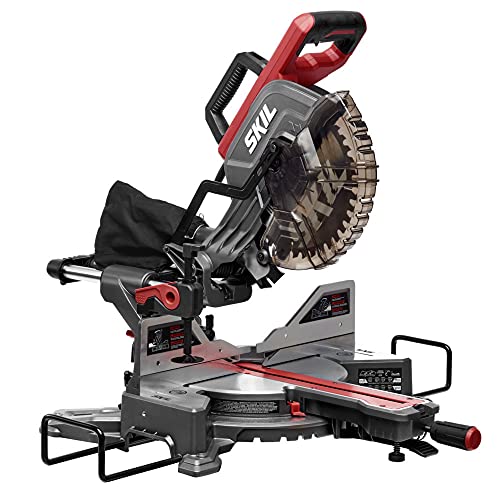 TOP CHOICEBest overallSKIL 10" Dual Bevel Sliding Compound Miter Saw-MS6305-00View on Amazon
- 2
 TOP CHOICEBest for cordless jobsRYOBI ONE+ 18V Cordless 7-1/4 in. Sliding Compound Miter SawView on Amazon
- 3
 TOP CHOICEBest for tight budgetsSKIL 10 Amp 7-1/4" Single Bevel Miter Saw with Compact Rail SystemView on Amazon
- 4
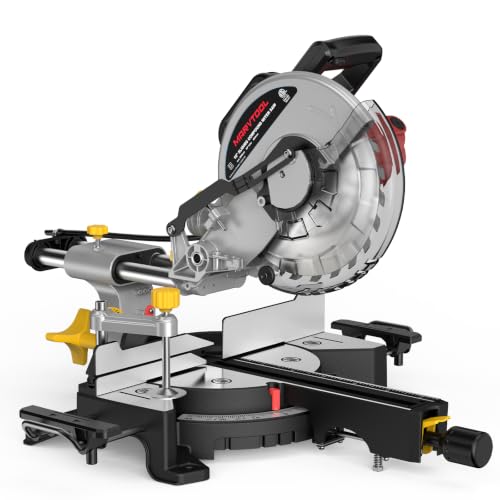 Best for metal and laminateMarvtool 10-inch Sliding Compound Miter SawView on Amazon
- 5
 Best for contractor useDEWALT Miter Saw, Single Bevel, Compound, 10-InchView on Amazon
- 6
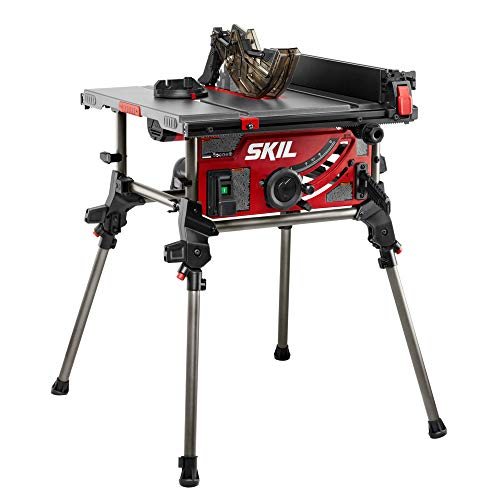 Best for mobile setupsSKIL 15 Amp 10-Inch Jobsite Table Saw with Folding Stand-TS6307-00 | FView on Amazon
Our Top Picks
Quick Comparison
| Product | Best for | Key feature |
|---|---|---|
| SKIL 10″ Dual Bevel Sliding Compound Miter Saw-MS6305-00 | Best overall | Dual bevel sliding head |
| RYOBI ONE+ 18V Cordless 7-1/4 in. Sliding Compound Miter Saw | Cordless jobs | Runs on 18V ONE+ battery |
| SKIL 10 Amp 7-1/4″ Single Bevel Miter Saw | Tight budgets | Compact rail system |
| Marvtool 10-inch Sliding Compound Miter Saw | Metal and laminate | 36T blade, extension table |
| DEWALT Miter Saw, Single Bevel, Compound, 10-Inch | Contractor use | 15-amp single bevel motor |
| SKIL 15 Amp 10-Inch Jobsite Table Saw with Folding Stand | Mobile setups | Folding stand included |
SKIL 10″ Dual Bevel Sliding Compound Miter Saw-MS6305-00
SKIL 10" Dual Bevel Sliding Compound Miter Saw-MS6305-00
Best for: Best overall
This suits hobbyists and remodelers who cut wide trim and want bevels in both directions without flipping the workpiece. For a deeper look, 4 Best Kobalt Tools Miter Saw Options for Home Shops (2026) covers this in detail.
Pros
- Dual bevel head reduces repositioning on compound cuts.
- Sliding arm handles wider stock than a fixed-head saw.
Cons
- Heavier to move than single-bevel compact models.
RYOBI ONE+ 18V Cordless 7-1/4 in. Sliding Compound Miter Saw
RYOBI ONE+ 18V Cordless 7-1/4 in. Sliding Compound Miter Saw | Battery and Charger Sold Separately
Best for: Cordless jobs
Best for owners already invested in the Ryobi ONE+ 18V battery system who need to cut trim away from an outlet. Battery and charger are sold separately, so factor that in.
Pros
- Runs on the ONE+ battery platform used by many Ryobi tools.
- Sliding design adds cut width over a fixed-head saw.
Cons
- Blade size is 7-1/4 inch, smaller than a true 10-inch saw.
SKIL 10 Amp 7-1/4″ Single Bevel Miter Saw with Compact Rail System
SKIL 10 Amp 7-1/4" Single Bevel Miter Saw with Compact Rail System & LED Shadow Line (Stand SRS0001 Sold Separately)-MS6306-00
Best for: Tight budgets
A fit for DIYers doing occasional picture frames, shelving and small trim jobs who want a lighter, space-saving saw. The stand is sold separately.
Pros
- Compact rail system takes up little shop floor.
- LED shadow line helps line up cuts.
Cons
- Single bevel means flipping the board for opposite-direction cuts.
Marvtool 10-inch Sliding Compound Miter Saw
Marvtool 10-inch Sliding Compound Miter Saw, 5000RPM, 15 Amp, Single Bevel 0-45° with Extension Table, 36T Blade, Power Saw for Metal, Plastic, Wood, Laminates
Best for: Metal and laminate
Suited to users who cut laminate flooring, plastic and thin metal stock alongside wood and want a blade and extension table included in the box.
Pros
- Listing includes a 36-tooth blade and extension table.
- Single bevel range of 0 to 45 degrees covers common angles.
Cons
- Brand is less established than the major tool makers, so check warranty terms.
DEWALT Miter Saw, Single Bevel, Compound, 10-Inch
DEWALT Miter Saw, Single Bevel, Compound, 10-Inch, 15-Amp (DWS713)
Best for: Contractor use
Aimed at framers and trim carpenters who want a dependable 10-inch single-bevel saw from a brand with wide service support.
Pros
- DEWALT is a widely serviced brand with broad parts availability.
- Compound cutting handles angled trim work.
Cons
- Non-sliding head limits cut width on wide boards.
Buying Guide
Sliding Arm vs. Non-Sliding Design
A sliding arm lets the blade travel forward and back along rails, which gives you a wider crosscut capacity than a fixed-arm model of the same blade size. If you regularly cut wide boards, trim crown molding, or work with shelving and plywood sheets, a sliding design is worth considering. Fixed-arm saws are more compact and often easier to store in a small home shop.
Single Bevel or Dual Bevel
A single bevel saw tilts in one direction, which is fine for most straight cuts and general framing or trim work. A dual bevel saw tilts both ways, so you can make angled cuts without flipping the workpiece, which saves time on repeat jobs like picture frames or angled trim runs. Think about how often your projects call for bevel cuts before deciding.
Power Source: Corded or Cordless
Corded saws generally deliver steady power for long sessions of cutting dense hardwood. Cordless models offer freedom from outlets and are convenient for quick jobs or work in areas without easy power access. If you already own a compatible battery platform, a cordless option can fit neatly into your existing setup, though batteries and chargers are often sold separately.
Portability and Stand Options
If you move the saw between job sites or need to clear your garage after each project, weight and folding features matter. Some models pair with a folding stand or a table extension, which can make a small shop more workable. Consider whether you have a dedicated bench or will need a portable stand to support long boards.
Blade Quality and Included Accessories
The stock blade affects cut cleanliness more than many buyers expect. A higher tooth count generally produces smoother finish cuts on wood and laminates, while fewer teeth can be better for faster rough cuts. Check whether a model includes useful extras such as extension tables, dust collection ports, or a laser or LED guide line, since these can save you from buying them later.
FAQ
Is a 10-inch miter saw big enough for home projects?
For most home projects, including trim, shelving, framing lumber, and furniture parts, a 10-inch blade offers enough cut capacity. It handles standard boards well, and sliding models can cross-cut wider stock. Larger jobs like thick timbers may call for a different tool.
What is the difference between a miter cut and a bevel cut?
A miter cut angles the blade left or right across the width of the board, while a bevel cut tilts the blade so the cut angles through the thickness of the board. Compound cuts combine both angles, which is common in crown molding work. A dual bevel saw lets you make bevel cuts in either direction.
Do I need a stand for a miter saw?
A stand or sturdy workbench is strongly recommended, since it keeps the saw at a comfortable working height and supports long boards safely. A folding stand is a good option if you need portability. Working on a wobbly surface can affect accuracy and safety. You may also like 6 Best 10in Ryobi Miter Saw Options for Home Shops and Job Sites (2026).
Can a cordless miter saw replace a corded one?
A cordless model can handle many home tasks, especially if you already use a compatible battery system. Corded saws typically offer more consistent power for heavy or extended cutting. Your choice depends on how often you cut and whether you need to work away from outlets.
How do I keep my miter saw cuts accurate?
Calibrate the miter and bevel stops periodically, use a sharp blade appropriate for your material, and make sure the workpiece sits flat and firmly against the fence. Clamping the board when possible improves consistency. Checking square with a reliable square tool before important cuts also helps.
Conclusion
If you want a flexible saw for varied projects and angled cuts, a dual bevel sliding model is a strong choice for a home shop. Buyers who already own a compatible battery platform or need to move the saw often may prefer a cordless or compact design, while those focused on straightforward cuts can be well served by a single bevel model.
For occasional trim, framing, or DIY repairs, a simpler fixed-arm or compact saw keeps things manageable and easy to store. Match the saw’s capacity, bevel style, and power source to the projects you actually plan to tackle, and you will get the most value from your purchase.
Related reading
- Ryobi Sliding Miter Saw: Setup, Cutting Tips and Buying Guide (2026)
- Ryobi Compound Miter Saw 10-Inch: 3 Best Picks Compared (2026)
- 7 Best Ryobi Miter Saw and Stand Options for Job Sites and Garages (2026)
About Caleb Morgan
Caleb Morgan is part of our editorial team and reviews and edits our power tools guides, checking product details against manufacturer specifications and owner feedback.