 By Caleb Morgan
Updated November 2026
A harbor freight tools oscillating tool can handle a surprising range of small jobs, from flush-cutting trim and sanding tight corners to scraping old adhesive. This guide explains what to look for when shopping for one, how to match the tool to common tasks, and how to avoid the mistakes that shorten blade and tool life. If you already own a corded or cordless model, the same principles apply to any oscillating multi-tool.
What an Oscillating Tool Does Well
An oscillating tool moves its accessory back and forth through a small arc, typically a few degrees, thousands of times per minute. That motion keeps the blade or pad working in a confined space without the kickback risk of a circular saw. It excels at plunge cuts in drywall or flooring, undercutting door casings, removing grout, and sanding inside corners. It is not built for long straight rips or heavy stock removal.
Shopping for one? See our guide: 6 Best Harbor Freight Tools Cordless Drill Options for Home Use (2026).
Choosing the Right Model and Accessories
Start by deciding whether you need corded or cordless operation. Corded models hold steady speed under heavy use, while cordless versions are easier to carry up a ladder or into a crawl space. Check that the accessory system is standard. Most oscillating tools use a universal quick-change or tool-free blade clamp, which lets you swap between wood, metal and sanding attachments without a wrench.
Variable speed is worth having. Lower speeds suit plastics, tile and soft materials that melt or chip at high RPM. Higher speeds work better for wood and fiber cement. Owners often report that a simple dial makes the difference between a clean cut and a burned edge.
Step-by-Step: Making a Clean Cut
- Mark your cut line clearly and confirm there are no wires or pipes behind the surface. A stud finder or non-contact voltage tester helps.
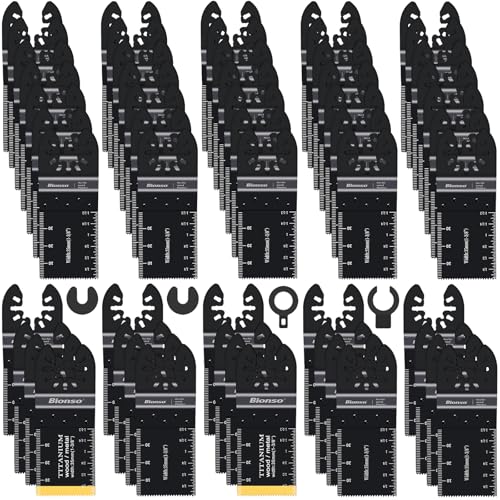
- Select a blade matched to the material. Bi-metal or carbide-grit blades suit wood with nails; carbide grit suits grout and tile.
- Set the speed to a moderate level for your material. Start slow to seat the blade.
- For a plunge cut, angle the blade tip into the surface and let it bite before lowering the body flat. Do not force it.
- Guide the tool with light, steady pressure. Let the blade do the work, and keep the cut moving to avoid overheating.
Sanding and Scraping with Attachments
Sanding pads attach the same way as blades. Use a pad that matches the grit to the job: coarse grits for stripping paint, finer grits for finishing. A triangular or detail pad reaches corners that a random orbit sander cannot. Scraper blades remove old caulk and adhesive, but work slowly and keep the blade flat to avoid gouging the substrate.
Matching Blades to Common Jobs
| Task | Suggested Blade or Pad |
|---|---|
| Cutting wood with nails | Bi-metal flush-cut blade |
| Grout removal | Carbide-grit segmented blade |
| Metal trim or pipe | Bi-metal or carbide blade at lower speed |
| Sanding inside corners | Triangular sanding pad |
| Removing old caulk | Flat or pry-style scraper blade |
Common Mistakes
- Running the tool at top speed on plastic or tile, which causes melting or cracking.
- Pressing too hard. Excess force bends thin blades and overheats the motor.
- Skipping a pilot hole for plunge cuts, which makes the blade wander.
- Using a worn blade. Dull teeth or grit loss increase friction and reduce cut quality.
- Working without eye protection or a dust mask, especially when cutting grout or old paint.
Recommended Gear
- Carbide-grit segmented blades handle grout and tile without the rapid dulling that standard blades suffer on these materials. View on Amazon
- Bi-metal flush-cut blades are a practical everyday choice for trim, nails and wood. View on Amazon
- Triangular sanding pads reach inside corners and detail areas where a round pad cannot. View on Amazon
For more on the power tool itself, see Oscillating Multi-Tools: Blades, Plunge Cuts and Sanding Attachments and How to Make Plunge Cuts with an Oscillating Multi-Tool. If you are building out a broader kit, Tools by Project: Shelves, Decks, Drywall, Tile and More shows which tools suit which jobs.
FAQ
Is a harbor freight tools oscillating tool good for beginners?
Yes, for light trim work, sanding and grout removal. Start with slow speeds and practice on scrap material before cutting finished surfaces.
Can I use one oscillating tool for both wood and metal?
Yes, as long as you change to a blade rated for the material. Bi-metal blades cover both wood and metal, but a dedicated metal blade lasts longer on steel.
How do I know when to replace a blade?
Replace it when the teeth or grit look worn, the cut slows noticeably, or the blade heats up quickly. Check the official manufacturer guidance for your specific accessory.
Conclusion
A harbor freight tools oscillating tool is most useful for precise, close-quarters work where larger saws and sanders cannot reach. Match the blade and speed to the material, let the tool do the cutting, and keep blades sharp. Confirm current accessory compatibility and safety guidance on the manufacturer’s official site before buying.
Related reading
- 7 Best Harbor Freight Tools Impact Driver Picks Compared (2026)
- Best Oscillating Multi-Tools for Plunge Cuts and Sanding
Ready to choose one?
About Caleb Morgan
Caleb Morgan is part of our editorial team and reviews and edits our power tools guides, checking product details against manufacturer specifications and owner feedback.