
 By Caleb Morgan
Updated November 2026
Choosing a milwaukee tool miter saw comes down to three things: whether you need a cordless or corded machine, how wide your typical board or trim piece runs, and whether you cut mostly square stock or need sliding capacity for wide boards. The picks below are based on product listings, Milwaukee’s published specifications, and common owner feedback patterns. None of these saws were tested by us, so verify specs against the current listing before buying.
Our top picks at a glance
- 1
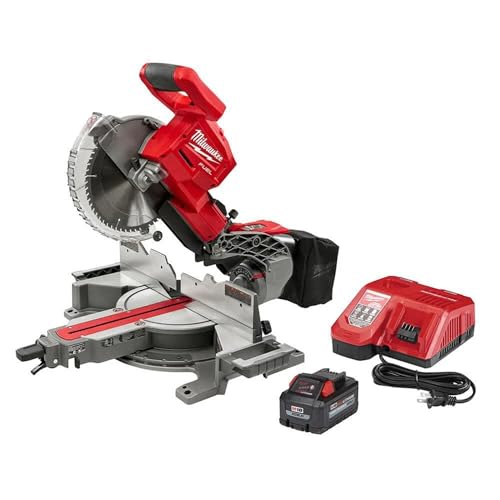 TOP CHOICEBest overallMILWAUKEE ELECTRIC TOOL 2734-21HD M18 Fuel Dual Bevel Sliding Compound Miter SawView on Amazon
- 2
 TOP CHOICEBest for portable jobsite framingMilwaukee M18 Brushless 7-1/4" Circular SawView on Amazon
- 3
 TOP CHOICEBest for demolition and cutoff workMilwaukee 2625-20 M18 18-Volt Lithium-Ion Cordless Hackzall Reciprocating SawView on Amazon
- 4
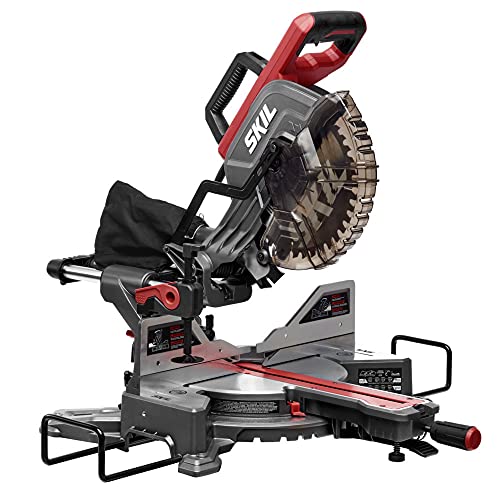 Best budget pickSKIL 10" Dual Bevel Sliding Compound Miter Saw-MS6305-00View on Amazon
- 5
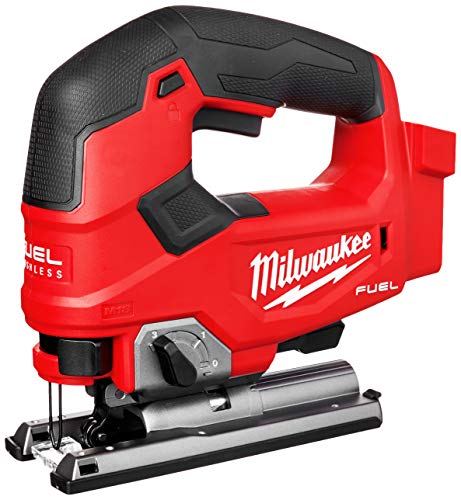 Best for curved and detail cutsMilwaukee M18 FUEL D-Handle Jig Saw Bare ToolView on Amazon
- 6
 Best for wide stock on a DeWalt-compatible budgetDEWALT 20V MAX XR 12 inch Double Bevel Sliding Miter Saw, Cordless, ToView on Amazon
Our Top Picks
| Product | Best for | Key feature |
|---|---|---|
| MILWAUKEE 2734-21HD M18 Fuel Sliding Compound Miter Saw | Cordless sliding cuts | Dual bevel, 10-inch blade |
| Milwaukee M18 Brushless 7-1/4″ Circular Saw | Portable framing | Brushless motor, bare tool |
| Milwaukee 2625-20 M18 Hackzall | Demolition cutoffs | Reciprocating blade action |
| SKIL MS6305-00 10″ Dual Bevel Sliding Miter Saw | Budget sliding cuts | Dual bevel, sliding rails |
| Milwaukee M18 FUEL D-Handle Jig Saw | Curves and detail work | D-handle grip control |
| DEWALT DCS785B 12″ Double Bevel Sliding Miter Saw | Wide stock and trim | 12-inch capacity, dual bevel |
MILWAUKEE ELECTRIC TOOL 2734-21HD M18 Fuel Dual Bevel Sliding Compound Miter Saw
MILWAUKEE ELECTRIC TOOL 2734-21HD M18 Fuel, Dual Bevel, Sliding, Compound Miter Saw, 10"
Best for: Cordless sliding cuts on trim and framing stock.
Suited to users who want a full-size sliding miter saw without a cord, especially those already invested in the M18 battery platform.
Pros
- Dual bevel and sliding capacity handle wide boards.
- Runs on M18 batteries shared with other Milwaukee tools.
Cons
- Battery and charger are sold separately, so total setup cost rises quickly.
Milwaukee M18 Brushless 7-1/4″ Circular Saw
Milwaukee M18 BRUSHLESS 7-1/4" CIRCULAR SAW – BARE
Best for: Portable framing and rip cuts on the jobsite.
A good fit for framers and remodelers who move between cuts and need a compact saw that can be taken up a ladder or into a crawlspace. For a deeper look, 5 Best Craftsman Miter Saw 10-Inch Models for Accurate Cuts covers this in detail.
Pros
- Brushless motor is compact and light for its class.
- Bare tool format keeps the price of entry low if you already own batteries.
Cons
- Not a miter saw, so it cannot replace crosscut accuracy on trim.
Milwaukee 2625-20 M18 18-Volt Lithium-Ion Cordless Hackzall Reciprocating Saw
Milwaukee 2625-20 M18 18-Volt Lithium-Ion Cordless Hackzall Reciprocating Saw, Bare Tool
Best for: Demolition and cutoff work where a miter saw cannot reach.
Aimed at remodelers and electricians who cut pipe, nails, and framing in tight spaces. 6 Best Milwaukee Corded Miter Saw Models for Accurate Cuts (2026) goes further into this.
Pros
- Reciprocating action handles wood, metal, and nails with the right blade.
- Bare tool runs on existing M18 packs.
Cons
- Cuts are rough compared with a miter saw and need cleanup.
SKIL 10″ Dual Bevel Sliding Compound Miter Saw-MS6305-00
SKIL 10" Dual Bevel Sliding Compound Miter Saw-MS6305-00
Best for: Budget sliding cuts for home workshops.
A practical choice for homeowners who want sliding capacity and dual bevel cuts without buying into a battery platform. Worth reading next: 6 Best Compound Miter Saw Sliding Models for Accurate Cuts (2026).
Pros
- Dual bevel and sliding design cover most trim and framing work.
- Corded operation means no battery costs.
Cons
- Not part of the Milwaukee battery system, so no shared packs.
Milwaukee M18 FUEL D-Handle Jig Saw Bare Tool
Milwaukee M18 FUEL D-HANDLE JIG SAW BARE TOOL
Best for: Curves, notches, and detail cuts that a miter saw cannot make.
Suited to cabinetmakers and DIYers who cut arcs, cutouts, and laminate.
Pros
- D-handle grip gives good control on curved cuts.
- Brushless FUEL platform runs on M18 batteries.
Cons
- Not a straight-cut tool, so it does not replace a miter saw for crosscuts.
Buying Guide
Cordless or Corded Power
Cordless models built on the M18 platform let you cut anywhere without hunting for an outlet, which is handy on job sites and for trim work in finished rooms. Corded saws generally keep running as long as you need them and avoid battery management, so they suit a fixed shop setup where you make lots of repetitive cuts.
Sliding Capacity and Cut Width
Sliding saws carry the blade on rails, which lets them cut wider boards than a standard fixed miter saw can handle. If you regularly work with wide stock, shelving, or crown molding, sliding capacity is one of the most important specs to check on the listing.
Look at the maximum cut capacity at both 0 and 45 degrees, since the numbers can differ noticeably. Matching that capacity to your most common material will save you from making extra passes or flipping boards.
Dual Bevel Versus Single Bevel
A dual bevel head tilts in both directions, so you can make angled cuts without flipping the workpiece. This speeds up work like cutting compound angles on baseboard and crown, and it reduces the chance of misaligned cuts from repositioning.
Blade Size and Cutting Depth
Blade diameter sets the maximum depth of cut, and 10-inch and 12-inch blades are the most common sizes for miter saws. Larger blades cut deeper and wider but add weight and cost. Make sure the blade size matches the saw and that replacement blades are easy to find.
Laser Guides, Dust Collection, and Ease of Use
Features like laser markers, bright LED work lights, and dust ports can make everyday cutting more accurate and less messy. Consider how easily the saw locks at common angles and how smoothly the detents engage, since these details affect daily comfort more than any single spec.
FAQ
Is a cordless milwaukee tool miter saw as accurate as a corded one?
Accuracy depends more on the saw’s fence, detents, and blade alignment than on whether it has a cord. Cordless models can cut just as precisely when properly set up, though battery charge can affect speed under heavy load.
What size miter saw should I buy for trim work?
A 10-inch saw handles most standard trim, baseboard, and crown molding well. If you regularly cut wider boards, a 12-inch sliding model gives you more capacity.
Do I need a sliding miter saw?
You need a sliding saw mainly when your workpieces are wider than a fixed saw can cut in one pass. For small projects and narrow trim, a non-sliding saw is often enough and can be simpler to use.
What does dual bevel mean on a miter saw?
Dual bevel means the blade head tilts both left and right for angled cuts. This lets you cut bevels in either direction without flipping the piece over.
Are bare-tool listings good for buyers who already own batteries?
Bare-tool listings exclude the battery and charger, so they work well if you already own compatible batteries from the same platform. Check the listing carefully to confirm what is included before purchasing.
Conclusion
If you want the most capable cordless option for wide and angled cuts, the dual bevel sliding model from Milwaukee is the strongest fit, especially if you already own M18 batteries. For a shop-focused setup where you want reliable corded power and do not need to move around, the SKIL and DEWALT options offer strong sliding capacity for their category.
Buyers who mostly need a versatile saw for general cutting, with a cordless tool that fits into an existing Milwaukee system, will find the other picks useful for specific jobs like circular sawing, reciprocating demolition, and curved cuts. Match each choice to the materials and cut types you use most, and confirm specs on the current listing before buying.
Related reading
- Milwaukee Sliding Miter Saw: Setup, Cutting Tips and Common Mistakes
- Milwaukee Sliding Compound Miter Saw: Setup, Cuts and Common Pitfalls (2026)
- DeWalt vs Milwaukee Miter Saw: Which Fits Your Cuts in 2026?
- Compound Miter Saw Milwaukee: Setup, Cutting Steps and Buying Tips (2026)
About Caleb Morgan
Caleb Morgan is part of our editorial team and reviews and edits our power tools guides, checking product details against manufacturer specifications and owner feedback.






