
 By Caleb Morgan
Updated November 2026
The Sharp Pog oscillating multi tool blade sharpener is a compact, drill-driven accessory aimed at people who want to bring dull oscillating blades back to a usable edge instead of replacing them every time they lose their bite. It is best suited to homeowners, remodelers and small shop users who regularly cut wood, nails and fasteners with high speed steel or carbon steel blades and who want a low-effort way to extend blade life. It is less suited to anyone cutting abrasive materials like tile or masonry with specialty blades, since those carry diamond or carbide grit that a sharpener of this type is not designed to restore. Buyers who want a sharpener for serrated carbide or bi-metal blades should look elsewhere, and those who prefer a full bench-top grinding setup will likely find this accessory too limited for their needs.

SHARP POG® Oscillating Multi-Tool Blade Sharpener, Resharpens Dull Oscillating Blades, Works on all Brands of High Speed Steel Carbon Steel Oscillating Blades and Tools
Product Overview
The Sharp Pog is listed on Amazon as an oscillating multi-tool blade sharpener that resharpens dull oscillating blades and is marketed as compatible with all brands of high speed steel and carbon steel oscillating blades and tools. Its design is centered on a simple idea: a blade with worn teeth can be run through a fixed sharpening slot, typically powered by a standard drill or driver, to restore a cutting edge. Because the product is aimed at everyday maintenance rather than production sharpening, its appeal rests on convenience, low cost of ownership and the ability to handle a wide range of blade shapes that share the same general tooth geometry.
Oscillating multi-tools are used for flush cutting, plunge cutting, scraping and detail sanding, and the blades that go with them wear quickly when they meet nails, screws or hardened fasteners. Replacing blades after every few jobs adds up, so a sharpener that can rescue blades is attractive to anyone who uses the tool regularly. The Sharp Pog sits in that niche, offering a way to maintain existing blade inventory rather than a replacement for a power-driven grinding system.
For background on how the tool and its blades work, a useful primer is How Does an Oscillating Multi Tool Work? Parts, Motion and Blade Basics, which explains why tooth geometry matters so much when you try to restore an edge.
Key Features & Specifications
The listing title confirms the core facts: it resharpens dull oscillating blades, it works on high speed steel and carbon steel blades, and it is described as compatible with all brands of oscillating tools. The table below lists only what the product name states or what is widely understood for this type of accessory. Exact dimensions, weight and included hardware should be checked on the product page before purchase.
| Feature | What to know |
|---|---|
| Product type | Oscillating multi-tool blade sharpener |
| Intended use | Resharpening dull oscillating blades |
| Blade materials | High speed steel and carbon steel oscillating blades |
| Compatibility claim | Listed as working with all brands of oscillating blades and tools |
| Power source | Typically operated with a drill or driver, per common accessories of this style |
| Not designed for | Diamond, carbide grit or bi-metal blades (check listing for confirmation) |
Manufacturers of sharpening accessories generally specify a maximum blade thickness and a target operating speed, so confirm both against the packaging or listing before attempting to sharpen a blade you value.
Pros & Cons
Pros
- Targets a real maintenance problem: dull blades can often be restored instead of discarded.
- Listed compatibility with many brands of oscillating blades reduces the chance it will only suit one tool platform.
- Simple concept that does not require a separate power unit or bench space.
- Useful for high speed steel and carbon steel blades, which make up most general-purpose oscillating blades.
- Gives a low-cost way to extend the working life of blades you already own.
Cons
- Not a substitute for a proper bench grinder or precision sharpening setup when blades are badly damaged.
- Does not address diamond, carbide or bi-metal blades, which are common in tile and masonry work.
- Results depend on technique: uneven pressure or wrong speed can change tooth geometry.
- Blades with chipped or cracked teeth will not be fully restored and should be replaced.
- Owners cannot always verify long-term durability of the sharpening surface from listing information alone.
Performance Analysis
Performance for a sharpener of this type depends on three things: the condition of the blade when you start, the material it is made from, and how consistently you run it through the sharpening slot. A blade that has only lost its edge from routine cutting in wood and light fasteners is the best candidate, because the tooth profile is still largely intact and a few passes can restore a usable edge. Blades that have been used to cut through hardened nails, tile or abrasive materials often have rounded or chipped teeth, and no sharpener will fully rebuild those.
Based on the product description and the general patterns that owners of accessories in this category tend to report, the most common outcomes fall into a few groups. Users who run the blade at a steady pace with light, consistent pressure generally see the cutting action improve noticeably. Users who push hard or sharpen at inconsistent angles sometimes report that the blade cuts less smoothly afterward, which is a reminder that the tool works best as a maintenance aid rather than a corrective fix for severely worn blades. Owners also commonly note that a sharpened blade does not stay sharp as long as a new factory blade, so expect to repeat the process over the life of the blade.
It helps to think of this accessory the way you would think of a file for a saw: it restores a working edge, but it does not change the blade’s basic hardness or fix structural damage. For a deeper look at blade types and how they wear, see Oscillating Multi-Tools: Blades, Plunge Cuts and Sanding Attachments.
Who Should Buy This Product?
This sharpener makes the most sense for a few specific buyers. Homeowners who keep a small set of high speed steel or carbon steel blades for trim, flush cutting and demolition of wood and nails will get the most value, because those blades are the ones most likely to benefit from routine touch-ups. Small contractors who go through blades quickly on job sites may also find it useful as a way to stretch a blade inventory between restocking trips. Shop owners who already own a drill and want a simple, dedicated accessory for blade maintenance will find the concept easy to adopt.
Buyers who should skip it include anyone whose main work involves tile, grout, concrete or stone. Those jobs call for diamond or carbide blades, and the Sharp Pog is not designed to restore that grit. Professionals who need consistent, precision edge geometry on a large number of blades may prefer a dedicated bench grinder setup or a sharpening service. Anyone who expects a sharpener to revive a blade with broken or missing teeth will be disappointed.
Buying Guide
Before buying any oscillating blade sharpener, check three things: the blade materials you use, the drive method you plan to use, and how much damage your blades typically show. If most of your blades are high speed steel or carbon steel and they lose their edge rather than chip, a simple slot-style sharpener is a reasonable fit. If your blades are bi-metal, carbide or diamond, a sharpener of this type is the wrong tool, and you should look for abrasive replacement blades instead.
It is also worth comparing the design approach. Some sharpeners use a frameless design that slides easily into a tight workspace, while others use a more enclosed body for better alignment. Look for clear instructions on speed, number of passes and blade thickness compatibility. Owners often recommend starting with a dull, low-value blade to learn the technique before sharpening a blade you need for finish work.
Two alternatives that often come up in comparisons are worth knowing about. The
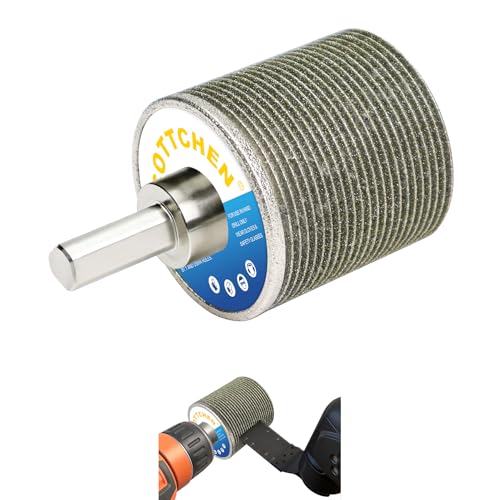
SCOTTCHEN Oscillating Saw Blade Sharpener, Re-Sharpens Dull Saw Blades, Diamond Oscillating Multi-Tool Blade Sharpener for Hand Drills – Upgraded Frameless Design to Quickly Restore Dull Blades
is a frameless, diamond-style oscillating saw blade sharpener designed for hand drills, and its listing emphasizes a compact design for quick touch-ups. View on Amazon
For a different use case, the

SHARPAL 103N All-in-1 Knife Garden Tool Lawn Mower Blade Sharpener | Axe, Hatchet, Machete, Pruner, Hedge Shears, Scissors, Gardening Sharpening Tool Gifts for Men
is an all-in-one knife and garden tool sharpener covering axes, shears and similar edged tools. It is not built for oscillating blades, but it is a useful reference point if your sharpening needs extend beyond multi-tool blades. View on Amazon
For more options and deeper comparisons, see 5 Best Oscillating Multi Tool Blade Sharpener Options for Sharp Cuts (2026) and Sharpening Oscillating Tool Blades: 7 Best Sharpeners Compared (2026).
FAQ
Can the Sharp Pog sharpen diamond or carbide blades?
The product is described as working on high speed steel and carbon steel oscillating blades. Diamond and carbide grit blades are generally not restored by a sharpener of this type, so check the listing for any additional compatibility statement before assuming otherwise.
Will it fix a blade with broken teeth?
No sharpener can rebuild missing or broken teeth. A blade with chipped or cracked teeth should be replaced, while blades with rounded but intact teeth are the best candidates for resharpening.
Does it work with every brand of oscillating tool?
The listing states compatibility with all brands of oscillating blades and tools, but blade thickness and shank design can still vary. Measure your blade before you buy and confirm it fits the sharpening slot.
What power source do I need?
Accessories of this style are typically driven by a standard drill or driver. Use a steady, moderate speed rather than running at full throttle, since excessive speed can overheat the blade and change its temper.
How many times can a blade be resharpened?
There is no universal number. Each pass removes a small amount of steel, so repeated sharpening will eventually shorten the blade’s usable life. Stop when the teeth are too thin or the blade no longer cuts cleanly.
Is it better than buying new blades?
For high-use blades in wood and fasteners, sharpening can save money and reduce waste. For blades that are badly damaged or used in demanding materials, new blades are usually the better choice. Consider the cost of your time and the blade’s expected performance.
Should I consult a professional for tool safety?
If you are unsure how to operate a drill-driven accessory safely, or if you are sharpening blades for commercial work, consult an experienced tradesperson or the manufacturer’s instructions before proceeding.
Final Verdict
The Sharp Pog oscillating multi-tool blade sharpener is a practical, low-effort accessory for restoring dull high speed steel and carbon steel blades. It suits homeowners and small shop users who want to extend the life of general-purpose blades, and it is a poor fit for anyone working mainly with tile, masonry or specialty abrasive blades. Expect the best results on lightly worn blades, run at a steady speed, and replace any blade with broken teeth rather than trying to rescue it.
View on AmazonBefore you buy: helpful guides
About Caleb Morgan
Caleb Morgan is part of our editorial team and reviews and edits our power tools guides, checking product details against manufacturer specifications and owner feedback.



