By Caleb Morgan
Updated November 2026
Dull oscillating blades cut slowly, burn through the material, and wear out your tool faster than they should. An oscillating multi tool blade sharpener gives you a way to restore the teeth on blades you already own instead of replacing them every time they lose their edge. This list compares five sharpeners that cover the main needs: simple hand-held restoring, diamond-coated sharpening, frameless designs for tight spaces, multi-angle grinding for workshop use, and a punch-style tool for bi-metal teeth. Each pick was assessed on the sharpening method, the blade types it claims to support, how it holds the blade during use, and the patterns owners tend to report in their feedback.
Our top picks at a glance
- 1
 TOP CHOICEBest overallSHARP POG Oscillating Multi-Tool Blade SharpenerView on Amazon
- 2
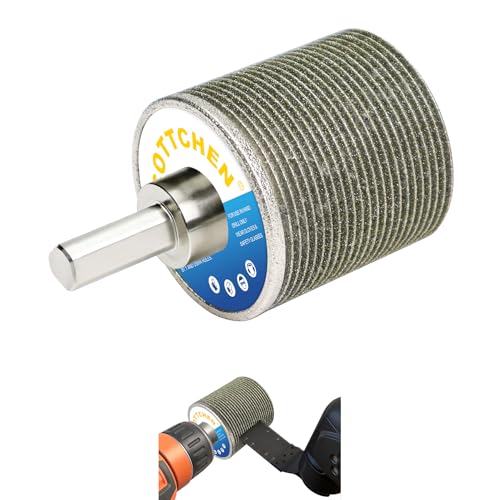 TOP CHOICEBest for diamond-coated sharpeningSCOTTCHEN Oscillating Saw Blade SharpenerView on Amazon
- 3
 TOP CHOICEBest for bi-metal bladesHerakiy Oscillating Multi-Tool Blade SharpenerView on Amazon
- 4
 Best for workshop useMulti Tool Blade Sharpener (Multi-Angle)View on Amazon
- 5
 Best budget pickOscillator Punch Pro Oscillating Blade SharpenerView on Amazon
Our Top Picks
Quick Comparison
| Product | Best for | Key feature |
|---|---|---|
| SHARP POG Oscillating Multi-Tool Blade Sharpener | General restoring of high speed steel and carbon steel blades | Works across many blade brands |
| SCOTTCHEN Oscillating Saw Blade Sharpener | Diamond-coated sharpening of worn teeth | Frameless design for quick use |
| Herakiy Oscillating Multi-Tool Blade Sharpener | Bi-metal and HCS oscillating blades | Fits reciprocating and oscillating blade types |
| Multi Tool Blade Sharpener (multi-angle) | Workshop and garage maintenance | Multi-angle precision grinding |
| Oscillator Punch Pro Oscillating Blade Sharpener | Budget-minded restoring of tooth edges | Double-sided hardened steel punch |
SHARP POG Oscillating Multi-Tool Blade Sharpener
SHARP POG® Oscillating Multi-Tool Blade Sharpener, Resharpens Dull Oscillating Blades, Works on all Brands of High Speed Steel Carbon Steel Oscillating Blades and Tools For another angle, check out Top 3 Table Saw Blades Sharpening Tools Compared for Home Shops.
Best for: General restoring of high speed steel and carbon steel oscillating blades
This sharpener suits owners who run a mix of blade brands and want one tool that handles most of them. It is a good fit for DIY users who sand, cut trim, or work in plywood and softwood and need blades to stay sharp between replacements.
Key specs
- Designed for high speed steel and carbon steel oscillating blades
- Marketed as compatible with most oscillating blade brands
- Intended for resharpening dull blades rather than cutting new profiles
Pros
- Works across a broad range of blade brands
- Simple process that does not need a workbench
- Restores edges on common blade materials
Cons
- Less suited to heavily worn carbide or diamond-coated blades
- Results depend on how much material is left on the teeth
Bottom line: A strong first choice for anyone who wants one sharpener that covers the most common oscillating blades. View on Amazon
SCOTTCHEN Oscillating Saw Blade Sharpener
SCOTTCHEN Oscillating Saw Blade Sharpener, Re-Sharpens Dull Saw Blades, Diamond Oscillating Multi-Tool Blade Sharpener for Hand Drills – Upgraded Frameless Design to Quickly Restore Dull Blades
Best for: Diamond-coated sharpening of worn oscillating saw teeth
This model is aimed at users who want to restore blade teeth with a diamond abrasive surface and who value a frameless body that does not get in the way when working close to a wall or inside a cabinet.
Key specs
- Diamond-coated sharpening surface
- Frameless design for close-quarters use
- Listed for oscillating multi-tool blades and hand drill use
Pros
- Diamond abrasive suits hardened blade steel
- Compact frameless shape is easy to position
- Works for a range of saw blade types
Cons
- Diamond surfaces wear over time and need careful handling
- Requires a steady hand to keep the original tooth angle
Bottom line: A good pick for users who sharpen harder blades and want a compact, diamond-faced tool. View on Amazon
Herakiy Oscillating Multi-Tool Blade Sharpener
Herakiy Oscillating Multi-Tool Blade Sharpener Restore Dull Saw Teeth Quick | Fits reciprocating jigsaw oscillating blade HCS bi-metal blades. Drill use, restore worn saw blades & cut cost reusing the
Best for: Bi-metal and HCS oscillating blades
This sharpener is aimed at owners who mostly cut wood, plastic, and light fasteners with bi-metal blades and want to bring worn teeth back into shape without buying new blades each time.
Key specs
- Listed for HCS bi-metal oscillating blades
- Also listed for reciprocating jigsaw-style blades
- Designed to restore worn saw teeth
Pros
- Addresses bi-metal blades that many generic sharpeners ignore
- Covers both oscillating and reciprocating blade shapes
- Helpful for reducing blade replacement on routine jobs
Cons
- Blade shapes vary, so fit should be checked before use
- Heavily chipped teeth may not recover fully
Bottom line: Best suited to people whose blade stock is mostly bi-metal and who want a sharpener aimed at that steel. View on Amazon
Multi Tool Blade Sharpener (Multi-Angle)
Multi Tool Blade Sharpener, Oscillating Tool Blade Sharpening Tool for Restoring and Maintaining Saw Blades, Multi-Angle Precision Grinding Tool for Workshop, Garage and DIY Tool Maintenan
Best for: Workshop and garage blade maintenance
This model fits users who keep a bench setup and want to restore blades at more than one tooth angle. It suits anyone maintaining a collection of blades for regular metal, wood, and tile work. You may also like 6 Best Extra Long Oscillating Tool Blades for Reaching Deep Cuts (2026).
Key specs
- Multi-angle grinding design
- Intended for restoring and maintaining saw blades
- Designed for workshop and garage use
Pros
- Multiple angles help match different blade geometries
- Suits regular maintenance across a blade collection
- Fits a workbench routine better than a field tool
Cons
- Setup takes longer than a simple hand-held tool
- Requires a clamp or stable surface for consistent results
Bottom line: A workshop-oriented choice for anyone who sharpens often and wants more control over the angle. View on Amazon
Oscillator Punch Pro Oscillating Blade Sharpener
Oscillator Punch Pro Oscillating Blade Sharpener, Hardened Steel Punch, Double Sided Blade Restoration Tool with Accessories
Best for: Budget-minded restoring of worn tooth edges
This punch-style sharpener appeals to owners who want a low-cost way to refresh tooth edges and do not need a multi-angle setup. It works well for occasional users who sharpen a few blades a season.
Key specs
- Hardened steel punch design
- Double-sided restoration surfaces
- Includes accessories for use
Pros
- Simple, low-maintenance design
- Double-sided use gives two working faces
- Easy for occasional sharpening tasks
Cons
- Less precise than grinding-based sharpeners
- Punch action can deform teeth if used carelessly
Bottom line: A sensible option for occasional sharpening where a simple punch-style tool is enough. View on Amazon
Buying Guide
Blade Material Compatibility
Check whether a sharpener is listed for high speed steel, carbon steel, bi-metal, or carbide blades. Teeth on bi-metal and carbide blades are harder and need abrasives or a grinding action that can handle that hardness. Using a tool designed for softer steel on hard teeth often wears the sharpener faster than the blade.
Good picks for this: SHARP POG Oscillating Multi-Tool Blade Sharpener, Herakiy Oscillating Multi-Tool Blade Sharpener
Abrasive Type
Diamond-coated surfaces cut hardened steel quickly and hold their shape, while standard abrasives are gentler. Diamond faces suit harder blades, but they need careful handling to keep the tooth geometry intact.
Good picks for this: SCOTTCHEN Oscillating Saw Blade Sharpener, Multi Tool Blade Sharpener (Multi-Angle)
Sharpening Method
Hand-held restoring, punch-style restoring, and multi-angle grinding each affect how well you keep the original tooth profile. Grinding gives more control over angle, while punch-style tools are quicker but less precise. Match the method to how carefully you want to shape the teeth.
Good picks for this: Oscillator Punch Pro Oscillating Blade Sharpener, Multi Tool Blade Sharpener (Multi-Angle)
Blade Shape and Fit
Oscillating blades come in different widths, hole patterns, and tooth styles. Measure your most-used blade and confirm the sharpener’s listed fit before buying. A sharpener that does not hold the blade steady will produce uneven teeth.
Good picks for this: Herakiy Oscillating Multi-Tool Blade Sharpener, SCOTTCHEN Oscillating Saw Blade Sharpener
Use Case and Frequency
Occasional users benefit from simple, quick tools. Frequent users, or those maintaining a shop full of blades, benefit more from a setup with angle control and a stable base. Decide how often you will sharpen before choosing between a hand-held model and a bench-based one.
Good picks for this: Oscillator Punch Pro Oscillating Blade Sharpener, SHARP POG Oscillating Multi-Tool Blade Sharpener
Durability and Build
Look for hardened steel construction on punch-style tools and a sturdy body on grinding models. Frameless designs are compact but can flex if they are not held firmly. Owners often report that build quality matters most when sharpening hard blades repeatedly.
Good picks for this: Oscillator Punch Pro Oscillating Blade Sharpener, Multi Tool Blade Sharpener (Multi-Angle)
Care and Blade Checks
Before sharpening, inspect each blade for cracked or missing teeth. Sharpening can restore an edge, but it cannot rebuild teeth that have broken off. Clean debris from the blade and keep sharpening surfaces free of metal dust so the abrasive keeps cutting evenly.
Good picks for this: SHARP POG Oscillating Multi-Tool Blade Sharpener, SCOTTCHEN Oscillating Saw Blade Sharpener
FAQ
Can an oscillating multi tool blade sharpener restore any blade?
No. Sharpeners work best on blades whose teeth are worn but not broken. Chipped, cracked, or missing teeth usually require replacement, and a sharpener cannot rebuild material that is gone.
How do I know if a blade is worth sharpening?
If the blade still has most of its teeth and the metal is not discolored or cracked, sharpening is often worthwhile. Blades that cut slowly or leave burn marks may simply be dull, which is the condition sharpening addresses.
Does a diamond-coated sharpener work on bi-metal blades?
Diamond-coated surfaces can cut bi-metal teeth, but results depend on the sharpener and the blade. Check that the sharpener is listed for bi-metal or HCS blades before using it on those teeth.
Should I keep the original tooth angle when sharpening?
Yes. Keeping the original angle helps the blade cut cleanly and track straight. Multi-angle models make this easier, while hand-held tools rely more on steady technique.
How often should I sharpen oscillating blades?
Sharpen when a blade starts to slow down, leaves rough edges, or heats up quickly during cutting. Frequency depends on the material you cut most, so check blades regularly rather than on a fixed schedule.
Is a punch-style sharpener safe to use?
Punch-style tools are generally simple to use, but they require control to avoid bending or deforming teeth. Wear eye protection and keep your hands clear of the cutting edge. For specialized blade work, consider consulting a professional tool technician.
Conclusion
For most users, the SHARP POG sharpener is a practical all-around choice because it covers common high speed steel and carbon steel blades. If your blades are mostly diamond-faced or hardened, the SCOTTCHEN model suits that work better. Bi-metal owners should look at the Herakiy sharpener, while workshop users who sharpen often will benefit from the multi-angle grinder. The punch-style Oscillator Punch Pro fits occasional, budget-minded sharpening. Match the tool to your blade material and how often you sharpen, and inspect each blade before you start.
Sources
- Workplace power tool and blade safety guidance for handling and maintaining cutting tools (osha.gov)
- Consumer product safety information on power tool use and accessory handling (cpsc.gov)
- Standards and measurement background relevant to metal hardness and abrasive materials (nist.gov)
Related reading
- Oscillating Multi-Tools: Blades, Plunge Cuts and Sanding Attachments
- Milwaukee Oscillating Multi Tool Blade Kit 8 Piece?
- How Does an Oscillating Multi Tool Work? Parts, Motion and Blade Basics
- 7 Best Oscillating Multi Tool Blades for Metal of 2026
- 6 Best Oscillating Tool Blades Sharpener Options for Sharp Cuts in 2026
About Caleb Morgan
Caleb Morgan is part of our editorial team and reviews and edits our power tools guides, checking product details against manufacturer specifications and owner feedback.