By Caleb Morgan
Updated November 2026
Dull oscillating tool blades cut slowly, burn the workpiece and wear out the tool faster than they should. An oscillating tool blades sharpener lets you restore an edge instead of replacing blades every time they lose their bite. This guide compares six sharpeners across the criteria that matter most: the type of blade each one handles, the sharpening method, how simple it is to set up with a drill or by hand, and whether the design suits occasional home repairs or regular shop work. Each entry is based on manufacturer specifications, brand reputation and common owner feedback patterns, not on personal testing.
Our top picks at a glance
- 1
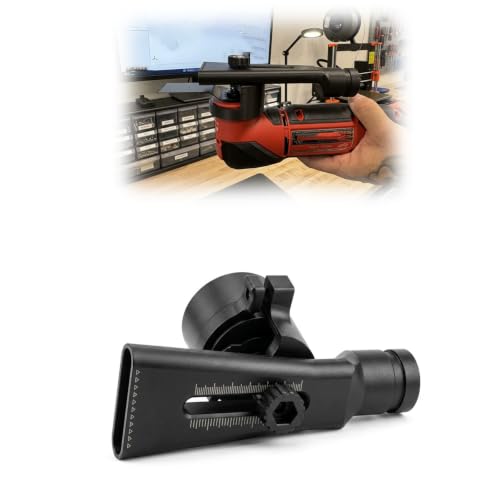
 TOP CHOICEBest overallSHARP POG Oscillating Multi-Tool Blade SharpenerView on Amazon
- 2
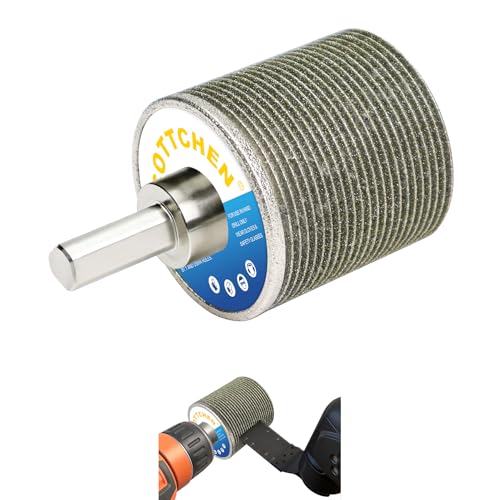 TOP CHOICEBest for drill-driven sharpeningSCOTTCHEN Oscillating Saw Blade SharpenerView on Amazon
- 3
 TOP CHOICEBest for hardened steel punch restorationOscillator Punch Pro Oscillating Blade SharpenerView on Amazon
- 4
 Best for bi-metal and HCS bladesHerakiy Oscillating Multi-Tool Blade SharpenerView on Amazon
- 5
 Best for wide woodworking bladesGYPSYFY Oscillating Blade Sharpener with CBN Grinding WheelView on Amazon
- 6
 Best budget pick for multi-angle workMulti Tool Blade Sharpener, Oscillating Tool Blade Sharpening ToolView on Amazon
Our Top Picks
Quick Comparison
| Product | Best for | Key feature |
|---|---|---|
| SHARP POG Oscillating Multi-Tool Blade Sharpener | General resharpening of oscillating blades | Works on high speed steel and carbon steel blades from many brands |
| SCOTTCHEN Oscillating Saw Blade Sharpener | Drill-driven sharpening at home | Frameless design with diamond sharpening |
| Oscillator Punch Pro Oscillating Blade Sharpener | Restoring worn teeth with a punch-style tool | Hardened steel, double-sided restoration |
| Herakiy Oscillating Multi-Tool Blade Sharpener | Bi-metal and HCS blades | Drill-driven operation for saw teeth |
| GYPSYFY Oscillating Blade Sharpener with CBN Grinding Wheel | Wider blades up to about 2 inches | CBN grinding wheel for woodworking blades |
| Multi Tool Blade Sharpener, Oscillating Tool Blade Sharpening Tool | Multi-angle precision sharpening in a workshop | Multi-angle grinding for maintenance work |
SHARP POG Oscillating Multi-Tool Blade Sharpener
SHARP POG® Oscillating Multi-Tool Blade Sharpener, Resharpens Dull Oscillating Blades, Works on all Brands of High Speed Steel Carbon Steel Oscillating Blades and Tools
Best for: General resharpening of oscillating blades across mixed brands
This is a good starting point for anyone who owns several oscillating tool blades from different manufacturers and wants one sharpener that covers them. It suits home users and hobby workshops more than heavy production use.
Key specs
- Designed for high speed steel and carbon steel oscillating blades
- Marketed as compatible with blades from all major brands
Pros
- Broad compatibility across brands
- Simple sharpening process with no special skills needed
- Suitable for routine maintenance of everyday blades
Cons
- Not intended for carbide or bi-metal blades
- Edge quality depends on patience and consistent technique
Bottom line: A sensible choice if you want one versatile sharpener for steel blades from several brands.
View on AmazonSCOTTCHEN Oscillating Saw Blade Sharpener
SCOTTCHEN Oscillating Saw Blade Sharpener, Re-Sharpens Dull Saw Blades, Diamond Oscillating Multi-Tool Blade Sharpener for Hand Drills – Upgraded Frameless Design to Quickly Restore Dull Blades
Best for: Drill-driven sharpening at home
Owners who already keep a corded or cordless drill in the garage and want to restore blades without extra equipment will find this format convenient. It is aimed at DIY users rather than professional shops.
Key specs
- Frameless design intended for quick setup
- Diamond sharpening surface for hardened blade edges
Pros
- Drill-driven operation reduces hand fatigue
- Frameless layout keeps the unit compact
- Works with common saw blade profiles
Cons
- Requires a steady hand and a drill with variable speed for best control
- Less suited to large or very worn blades
Bottom line: A practical pick for home users who want to sharpen blades with a drill they already own.
View on AmazonOscillator Punch Pro Oscillating Blade Sharpener
Oscillator Punch Pro Oscillating Blade Sharpener, Hardened Steel Punch, Double Sided Blade Restoration Tool with Accessories
Best for: Restoring worn teeth with a punch-style tool
This option takes a different approach, using a hardened steel punch to refresh tooth profiles. It fits users who prefer a manual method and want a tool that can be used without a power source.
Key specs
- Hardened steel construction
- Double-sided restoration design
Pros
- Manual operation requires no power
- Double-sided design offers two working surfaces
- Includes accessories for setup
Cons
- Manual technique takes practice to get even results
- Less precise than a drill-driven or grinding wheel method
Bottom line: Best for users who want a simple, power-free method for lightly worn blades.
View on AmazonHerakiy Oscillating Multi-Tool Blade Sharpener
Herakiy Oscillating Multi-Tool Blade Sharpener Restore Dull Saw Teeth Quick | Fits reciprocating jigsaw oscillating blade HCS bi-metal blades. Drill use, restore worn saw blades & cut cost reusing the
Best for: Bi-metal and HCS blades
The listing specifies compatibility with HCS bi-metal blades and a drill-driven approach to restoring saw teeth. It is a reasonable match for owners who want to extend the life of bi-metal blades used on wood and light metal.
Key specs
- Listed for HCS bi-metal oscillating blades
- Drill-driven operation for saw teeth
Pros
- Targets bi-metal blades specifically
- Drill use keeps the process fast
- Suitable for restoring worn teeth
Cons
- Limited detail in the listing about blade width limits
- Results depend on drill speed control
Bottom line: A good fit for anyone mainly maintaining bi-metal blades with a drill.
View on AmazonGYPSYFY Oscillating Blade Sharpener with CBN Grinding Wheel
GYPSYFY Oscillating Blade Sharpener with CBN Grinding Wheel | Drill Driven Multi Tool Saw Blade Sharpener for Blades up to 2.05in Wide Woodworking
Best for: Wider woodworking blades
The listing names a CBN grinding wheel and blade widths up to about 2.05 inches, making it more relevant to woodworkers than to general repair users. Owners who regularly use wider blades will find the capacity useful.
Key specs
- CBN grinding wheel
- Blade width capacity listed up to about 2.05 inches
Pros
- CBN wheel suits hardened steel
- Wider capacity than many compact sharpeners
- Drill-driven setup
Cons
- Narrower blades may need a different setup
- Grinding requires careful control to avoid overheating the edge
Bottom line: Best for woodworkers who want to sharpen wider oscillating blades with a grinding wheel.
View on AmazonMulti Tool Blade Sharpener, Oscillating Tool Blade Sharpening Tool
Multi Tool Blade Sharpener, Oscillating Tool Blade Sharpening Tool for Restoring and Maintaining Saw Blades, Multi-Angle Precision Grinding Tool for Workshop, Garage and DIY Tool Maintenan
Best for: Multi-angle sharpening in a workshop or garage
This sharpener is positioned for restoring and maintaining saw blades in a workshop setting, with multi-angle grinding to match different tooth geometries. It suits users who maintain a range of blades and want flexibility in angle settings.
Key specs
- Multi-angle precision grinding
- Designed for workshop, garage and DIY maintenance
Pros
- Multi-angle option covers varied tooth profiles
- Suitable for ongoing maintenance
- Positioned as a general workshop tool
Cons
- Angle setup takes time to learn
- Not specialized for a single blade type
Bottom line: A practical choice for a garage workshop where several blade types need upkeep.
View on AmazonBuying Guide
Blade material compatibility
Oscillating blades are made from high speed steel, carbon steel, bi-metal, carbide-grit or diamond-coated materials, and each responds differently to sharpening. Steel blades can usually be restored with a file-like or grinding action, while carbide and diamond surfaces need abrasives designed for hard materials. Check the sharpener’s stated blade types before you buy.
Good picks for this: SHARP POG Oscillating Multi-Tool Blade Sharpener, Herakiy Oscillating Multi-Tool Blade Sharpener
Blade width capacity
Oscillating blades vary in width, and many sharpeners have a maximum jaw or wheel clearance. Measure your widest blade before buying. Wider blades common in woodworking may need a sharpener with a larger working width than compact home units.
Good picks for this: GYPSYFY Oscillating Blade Sharpener with CBN Grinding Wheel, SCOTTCHEN Oscillating Saw Blade Sharpener
Power source and setup
Drill-driven sharpeners reduce effort but require a drill with variable speed for control. Manual punch-style tools need no power but take more technique. Decide which setup you already have available in your workspace.
Good picks for this: SCOTTCHEN Oscillating Saw Blade Sharpener, Oscillator Punch Pro Oscillating Blade Sharpener
Sharpening angle and tooth geometry
Different tooth profiles call for different grinding angles. Multi-angle sharpeners give more flexibility when you maintain a mix of blades, while fixed-angle designs are simpler but limit adjustment. Check whether the tool lets you match the original tooth angle.
Good picks for this: Multi Tool Blade Sharpener, Oscillating Tool Blade Sharpening Tool, SHARP POG Oscillating Multi-Tool Blade Sharpener
Abrasive type and durability
Diamond and CBN abrasives hold their cutting surface longer than standard grinding media, especially on hardened steel. Abrasive life depends on how often you sharpen and how hard your blades are. Look for a sharpener whose abrasive surface is named in the specifications.
Good picks for this: GYPSYFY Oscillating Blade Sharpener with CBN Grinding Wheel, SCOTTCHEN Oscillating Saw Blade Sharpener
Frequency of use
Occasional home repairs need a simple, quick tool. Regular workshop use calls for a design that holds up to repeated sharpening and is easy to clean. Matching the tool to your usage prevents buying more capacity than you need or too little for steady work.
Good picks for this: Multi Tool Blade Sharpener, Oscillating Tool Blade Sharpening Tool, Oscillator Punch Pro Oscillating Blade Sharpener
Care and blade inspection
Before sharpening, inspect blades for cracks, bent teeth and heavy wear. A sharpener can restore an edge but cannot fix structural damage. Clean blades of resin, sawdust and metal residue so the sharpening surface can work evenly, and wear eye protection during any grinding.
Good picks for this: SHARP POG Oscillating Multi-Tool Blade Sharpener, Herakiy Oscillating Multi-Tool Blade Sharpener
FAQ
Can an oscillating tool blade sharpener restore carbide blades?
Most general sharpeners are designed for steel and bi-metal blades. Carbide-grit blades usually need a diamond-based or specialized tool, and many owners replace them instead. Check each sharpener’s listed blade types before attempting carbide restoration.
How do I know when a blade is too worn to sharpen?
Blades with cracks, missing sections, heavy warping or teeth that have been ground down almost to the base are generally not worth restoring. A sharpener can refresh a dull edge but cannot rebuild lost material.
Do I need a drill to use a drill-driven sharpener?
Yes. Drill-driven models need a drill to turn the sharpening element. A variable-speed drill gives better control, since high speed can overheat the edge and reduce blade life.
Will sharpening change the blade’s cutting angle?
It can if the process is uneven or the sharpener’s angle does not match the original tooth geometry. Multi-angle tools help you match the original profile more closely.
How often should I sharpen oscillating blades?
There is no fixed schedule. Sharpen when the blade starts to burn the material, cut more slowly or leave a rough edge. Frequent heavy use on hard materials shortens the interval.
Is it safe to sharpen blades at home?
Wear safety glasses and gloves, keep your hands clear of the grinding surface and let the blade cool before handling. If you are unsure about a blade’s condition or material, consult a professional tool service.
Conclusion
For most home users, the SHARP POG Oscillating Multi-Tool Blade Sharpener offers the broadest blade compatibility and a straightforward process. Owners who already have a drill will find the SCOTTCHEN and Herakiy models convenient, with Herakiy better suited to bi-metal blades. The Oscillator Punch Pro suits anyone who wants a power-free method, while the GYPSYFY CBN model fits woodworkers with wider blades. The multi-angle tool is a sensible choice for a workshop that maintains several blade types. Match the sharpener to your blade material, width and how often you will use it.
Sources
- Workplace guidance on abrasive wheel safety, eye protection and tool guarding (osha.gov)
- Consumer safety information on power tool use and maintenance hazards (cpsc.gov)
- Standards information relevant to abrasive and cutting tool safety
Related reading
- Top 5 Oscillating Tool Blades for Metal Worth Considering in 2026
- Rockwell Oscillating Tool F80: Setup, Blade Choice and Cutting Tips
- Oscillating Tool Razor Blade (2026): Which Should You Choose?
- Oscillating Tool Carbide Blade: How to Choose and Use One Well
About Caleb Morgan
Caleb Morgan is part of our editorial team and reviews and edits our power tools guides, checking product details against manufacturer specifications and owner feedback.