
 By Caleb Morgan
Updated November 2026
A circular saw blade fine tooth design is the usual choice when you want a clean edge rather than fast rip speed. This roundup compares three fine tooth blades on tooth count, cutting material, kerf width, arbor size and how well each suits finish work on plywood, veneer and trim. Selection is based on manufacturer specifications, product listings and common owner feedback, not on our own cut tests.
Our top picks at a glance
- 1
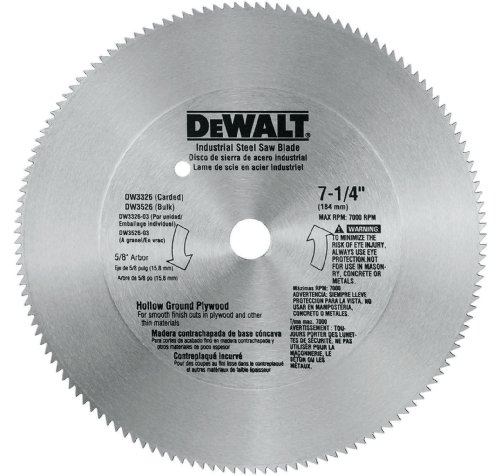 TOP CHOICEBest overallDEWALT Circular Saw Blade, 7 1/4 Inch, 140 Tooth, Wood Cutting (DW3326)View on Amazon
- 2
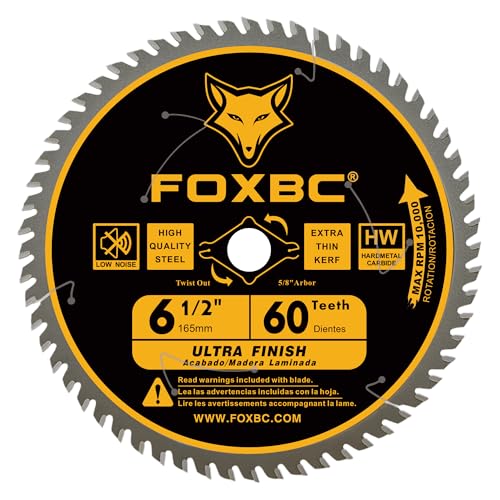 Best for thin-kerf wood cutsFOXBC 6-1/2 inch Circular Saw Blade Ultra Fine Finish 60-Tooth for WooView on Amazon
- 3
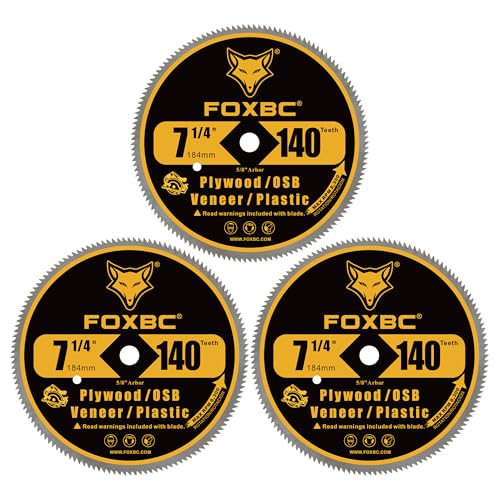 Best for sheet goods and plasticsFOXBC 7-1/4 Inch 140 Tooth Fine Finish Carbon Circular Saw Blade for PView on Amazon
Our Top Picks
| Product | Best for | Key feature |
|---|---|---|
| DEWALT Circular Saw Blade, 7 1/4 Inch, 140 Tooth (DW3326) | General wood finish cuts | 140 teeth, 7-1/4 inch |
| FOXBC 6-1/2 inch Circular Saw Blade 60-Tooth | Thin-kerf wood cuts on 6-1/2 inch saws | 60 teeth, thin kerf |
| FOXBC 7-1/4 Inch 140 Tooth Fine Finish Carbon Blade | Plywood, OSB, plastic and vinyl | 140 teeth, carbon steel |
DEWALT Circular Saw Blade, 7 1/4 Inch, 140 Tooth, Wood Cutting (DW3326)
DEWALT Circular Saw Blade, 7 1/4 Inch, 140 Tooth, Wood Cutting (DW3326) If you want more background, see 7 Best Dado Blades for Table Saw of 2026: Our Picks Compared.
Best for: General wood finish cuts
This is a fit for users who want a recognized brand and a 7-1/4 inch blade for crosscuts and finish work in solid wood and sheet goods on a standard worm-drive or sidewinder saw.
Pros
- 140 teeth produce a very fine edge in plywood and trim.
- DEWALT is a widely available brand with consistent specifications.
Cons
- High tooth count slows feed rate, so it is less suited to heavy rip cuts.
FOXBC 6-1/2 inch Circular Saw Blade Ultra Fine Finish 60-Tooth for Wood Cutting, Thin-Kerf with 5/8″ Arbor
FOXBC 6-1/2 inch Circular Saw Blade Ultra Fine Finish 60-Tooth for Wood Cutting, Thin-Kerf with 5/8" Arbor
Best for: Thin-kerf wood cuts
Suited to owners of 6-1/2 inch saws who want a fine finish with less blade body to push through the wood, especially in softwood and hardwood stock.
Pros
- Thin kerf reduces motor load and removes less material.
- 60 teeth balance finish quality with a reasonable feed rate.
Cons
- Only works on saws that take a 6-1/2 inch blade with a 5/8 inch arbor.
FOXBC 7-1/4 Inch 140 Tooth Fine Finish Carbon Circular Saw Blade for Plywood, OSB, Plastic, Veneer, Vinyl Wood Cutting with 5/8-Inch Diamond Arbor
FOXBC 7-1/4 Inch 140 Tooth Fine Finish Carbon Circular Saw Blade for Plywood, OSB, Plastic, Veneer, Vinyl Wood Cutting with 5/8-Inch Diamond Arbor
Best for: Plywood, OSB, plastic and vinyl
Aimed at users who cut sheet goods, veneer and plastic and want a fine edge without switching blades between materials.
Pros
- 140 teeth suit veneer and laminate where chip-out is a concern.
- Carbon steel body is listed for multi-material use.
Cons
- Carbon steel dulls faster than carbide-tipped blades under heavy use.
Buying Guide
Tooth Count
Fine tooth blades typically run 60 to 140 teeth on a 7-1/4 inch blade. More teeth give a smoother cut but generate more heat and slow the feed rate. Manufacturers generally recommend matching tooth count to material thickness.
Kerf Width
Thin-kerf blades remove less material, which reduces motor strain on lighter saws. Standard kerf blades are more rigid and tend to track straighter in thick stock.
Arbor Size and Blade Diameter
Confirm the blade diameter and arbor (commonly 5/8 inch) against your saw’s specifications before buying. A mismatch can be unsafe, so consult your saw’s manual or a qualified tool service technician if unsure.
Material and Blade Body
Carbide-tipped blades hold an edge longer than carbon steel, while carbon steel is often chosen for lighter, occasional use. Choose the body material based on how often you cut and what you cut.
Good picks for this: DEWALT Circular Saw Blade, 7 1/4 Inch, 140 Tooth; FOXBC 7-1/4 Inch 140 Tooth Fine Finish Carbon Circular Saw Blade
FAQ
What is a fine tooth circular saw blade best used for?
Fine tooth blades are typically used for crosscuts, plywood, trim and other work where edge quality matters more than cutting speed.
Can I use a fine tooth blade for ripping lumber?
You can, but it will cut slowly and load the motor more; a lower tooth count rip blade is generally the better choice for long rip cuts.
How do I know which blade size fits my saw?
Check the diameter and arbor size printed on your current blade or in your saw’s manual, and match both exactly. Worth reading next: Cut Guide for Circular Saw: Setup, Method and Clean Straight Cuts.
Conclusion
The DEWALT 140-tooth blade suits general finish work in wood, while the FOXBC 6-1/2 inch thin-kerf blade fits smaller saws that need less motor load. For plywood, OSB, veneer and plastic, the FOXBC 7-1/4 inch 140-tooth carbon blade is the most targeted of the three.
Sources
- Workplace guidance on portable circular saw safety and guarding (osha.gov)
- Consumer safety information on power saw use and injury prevention (cpsc.gov)
- Standards resources on measurement and material properties (nist.gov)
Related reading
- Saw Blades: Tooth Count, Kerf and Grind for Circular, Miter and Table Saws
- Ryobi Circular Saw Blade Installation: A Step-by-Step Guide
- How to Sharpen a Saw Blade Circular (2026): DIY Sharpening vs Sending It Out
- How to Sharpen Circular Saw Blades at Home: A Step-by-Step Guide
About Caleb Morgan
Caleb Morgan is part of our editorial team and reviews and edits our power tools guides, checking product details against manufacturer specifications and owner feedback.



