 By Emily Parker
Updated November 2026
A dewalt 20 volt cordless drill is a versatile tool for drilling holes, driving screws and mixing light materials around the house or on a job site. This guide walks you through choosing the right model for your work, setting it up correctly and avoiding the mistakes that burn out batteries or strip screw heads. By the end, you will know how to get clean, controlled results from the drill.
Choose the Right Drill for Your Work
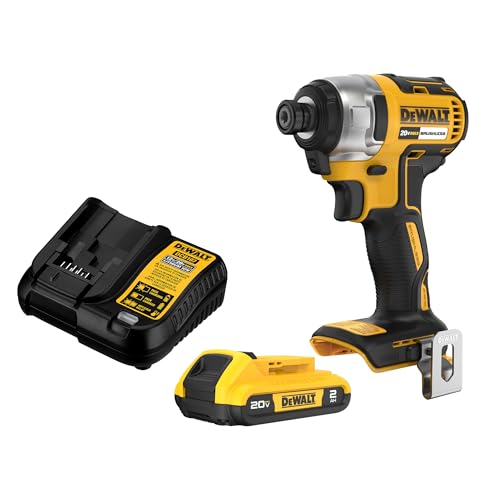
Start by matching the drill type to the task. A standard drill/driver handles most household jobs, including drilling into wood, metal and plastic and driving screws. If you spend a lot of time sinking long fasteners into framing or decking, an impact driver may suit you better. Look at the battery platform too, since owners often report that sticking with one 20V system makes it easier to share batteries and chargers across tools.
Shopping for one? See our guide: DeWalt Cordless Electric Drill Review (2026): Features, Pros and Cons.
Set Up the Drill Before You Start
- Install a fully charged battery until it clicks into place.
- Select the clutch setting. Lower numbers suit small screws, while higher numbers suit larger fasteners. Use the drill setting (the symbol with a drill bit) when boring holes.
- Choose the speed range. Use low speed for driving screws and high speed for drilling.
- Tighten the bit in the chuck and confirm it is centered before pulling the trigger.
Drill and Drive With Good Technique
Hold the drill square to the work surface. A tilted bit wanders and can crack thin material. For pilot holes in wood, use a bit slightly smaller than the screw’s shank. Start slowly, then increase pressure only as the bit bites in. When driving screws, stop once the head seats flush, since the clutch is there to prevent overdriving.
Match Bits to Materials
| Material | Recommended bit | Speed setting |
|---|---|---|
| Softwood | Brad point or spade bit | High |
| Metal | High-speed steel or cobalt bit | Low to medium, with cutting fluid |
| Masonry | Carbide-tipped masonry bit | Medium, with light pressure |
Care for the Battery and Charger
Manufacturers generally advise storing batteries at room temperature and avoiding full discharge. Let the battery cool before recharging after heavy use, and do not leave it on the charger for long stretches once it is full. If you plan to keep the drill in a truck or shed, check that the battery stays within the temperature range listed in the owner’s manual.
Common Mistakes
- Using the drill setting for driving screws, which can strip heads and overheat the clutch.
- Forcing the bit instead of letting it cut at its own pace.
- Running the battery flat repeatedly, which shortens its life.
- Skipping pilot holes in hardwood, causing splits.
- Wearing loose clothing or gloves near a spinning chuck.
Recommended Gear
- A titanium-coated drill bit set gives you a range of sizes for wood and metal without buying bits one at a time. View on Amazon
- A magnetic bit holder keeps screwdriver bits secure while driving, reducing slips. View on Amazon
- Safety glasses protect your eyes from chips and debris when drilling overhead or into masonry. View on Amazon
FAQ
Can a dewalt 20 volt cordless drill handle masonry?
Yes, with a carbide-tipped masonry bit and a hammer drill setting if your model includes one. Use light pressure and pause periodically to clear dust from the hole.
How do I know which clutch setting to use?
Start low and increase gradually until the screw seats without slipping or stripping. Test on a scrap piece of the same material first.
Why does my battery drain so quickly?
Heavy loads, high-speed drilling into hard materials and cold temperatures all reduce runtime. Let the battery rest between long sessions and keep it at moderate temperatures.
Conclusion
A dewalt 20 volt cordless drill rewards careful setup: the right bit, the right clutch setting and steady technique. Keep your batteries in good condition and you will get reliable performance for years. Check the owner’s manual for your exact model before any heavy or specialized work.
Related reading
- Ryobi Cordless 18 Volt Drill: How to Choose and Use One Right
- Milwaukee vs Dewalt Cordless Drill (2026): Which Should You Choose?
- Dewalt Cordless Hammer Drill 20v: How to Choose and Use One (2026)
- Dewalt 20v Max Cordless Drill Driver Set: A Practical Guide (2026)
Ready to choose one?
About Emily Parker
Emily Parker is part of our editorial team and reviews and edits our power tools guides, checking product details against manufacturer specifications and owner feedback.