By Caleb Morgan
Updated November 2026
Shopping for a gas powered circular saw usually means one thing: you need to cut something too tough, too thick or too far from an outlet for a corded or cordless tool. Whether you are notching concrete, trimming masonry block or running a wet cut on stone, the right gas-powered cutter depends on cut depth, engine size, blade guard design, water-feed options and how much hands-on control you need. The five models below were selected by comparing manufacturer specifications, brand reputation and common owner feedback patterns. We did not run these saws ourselves, so treat the notes as research-based guidance rather than hands-on results.
Our top picks at a glance
- 1
 TOP CHOICEBest overallHusqvarna K770 14-Inch Gas Power CutterView on Amazon
- 2
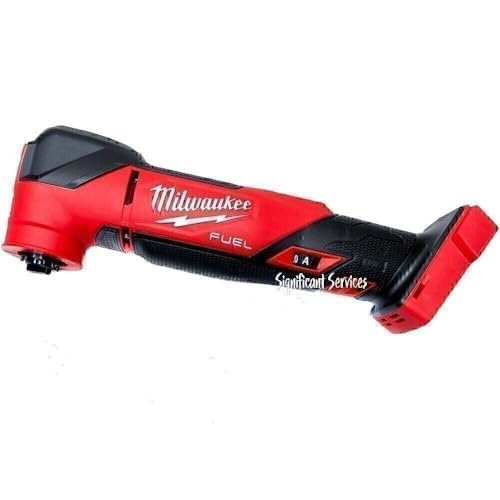
 TOP CHOICEBest for cordless-style convenienceMilwaukee Electric M12 Fuel 5-3/8 Inch Circular SawView on Amazon
- 3
 TOP CHOICEBest for frequent concrete cutsDNYKER 14" Gas Powered Concrete CutterView on Amazon
- 4
 Best budget pickCUBELLIN Circular Gas Concrete Saw 52cc 2-StrokeView on Amazon
- 5
 Best for light masonry work16 Inch Gas Concrete Saw 1400W Cut-Off SawView on Amazon
Our Top Picks
| Product | Best for | Key feature |
|---|---|---|
| Husqvarna K770 14-Inch Gas Power Cutter | Heavy concrete and stone cutting | Cuts up to 5 inches deep |
| Milwaukee M12 Fuel 5-3/8 Inch Circular Saw | Smaller, lighter trim and framing cuts | Compact 5-3/8 inch blade size |
| DNYKER 14″ Gas Powered Concrete Cutter | Frequent concrete and steel pole cutting | Water connection for dust control |
| CUBELLIN 52cc Circular Gas Concrete Saw | Budget-conscious masonry projects | Up to 4 inch cutting depth with water hose |
| 16 Inch Gas Concrete Saw 1400W | Cement block and stone cutting | 13 inch blade with 4 inch cut depth |
Husqvarna K770 14-Inch Gas Power Cutter
Husqvarna K770 14-Inch Gas Power Cutter, Updated 2026 Version, Cuts 5 Inches Deep, Concrete Cut-Off Saw, Model 970850301
Best for: Heavy concrete and stone cutting
This is a professional-style concrete cut-off saw for contractors and serious DIYers who regularly cut slabs, curbs and masonry. Its larger 14-inch platform and deeper cut capacity make it a better fit than light-duty models when the job is thick and abrasive.
Key specs
- 14-inch blade class
- Cuts up to 5 inches deep
- Gas-powered concrete cut-off design
- Model 970850301
Pros
- Deep cutting capacity for thick slabs
- Established brand with a long history in cut-off saws
- Designed for sustained professional use
Cons
- Heavier than light-duty options, which adds fatigue on long days
- Overkill for occasional small cuts
Bottom line: Pick this if you cut thick concrete or stone on a regular basis and want the most cutting depth in this lineup.
View on AmazonMilwaukee Electric M12 Fuel 5-3/8 Inch Circular Saw
Milwaukee Electric – M12 Fuel 5-3/8 INCH Circular Saw
Best for: Smaller, lighter trim and framing cuts
This is a compact, lightweight saw built for jobs where a full-size gas cutter would be unnecessary. It suits users who want Milwaukee’s M12 platform for lighter cutting and easier handling overhead or in tight spaces.
Key specs
- 5-3/8 inch blade size
- M12 Fuel platform (as named in the listing)
Pros
- Compact and easy to maneuver
- Well-regarded brand with broad accessory support
- Suited to lighter wood and sheet material
Cons
- Small blade limits depth compared with concrete-focused gas saws
- Not designed for masonry or heavy stone cutting
Bottom line: A good choice if your work is lighter and you value portability over cutting depth.
View on AmazonDNYKER 14″ Gas Powered Concrete Cutter
DNYKER 14" Gas Powered Concrete Cutter, 74CC 2-Stroke Circular Saw with Water Connection, Cut Off Saw for Concrete, Steel Poles, 5" Cut-Include Diamond Saw Blade
Best for: Frequent concrete and steel pole cutting
This 14-inch gas concrete cutter includes a water connection and diamond blade, which makes it practical for repeated cuts in concrete and masonry where dust control matters. It fits users who need a capable cutter without the premium-brand price tier.
Key specs
- 14-inch blade class
- 74cc 2-stroke engine (per listing)
- Water connection for wet cutting
- Includes 5-inch diamond blade
Pros
- Water connection reduces airborne dust
- Includes a diamond blade out of the box
- Larger engine suits sustained cutting
Cons
- Brand support and parts availability can be less established than major names
- Owners often recommend checking blade and fuel mix instructions carefully before first use
Bottom line: A practical pick for repeated concrete and steel cutting when you want water-fed dust control and a complete starter kit. Worth reading next: 7 Best Gas Power Circular Saws for Concrete and Masonry in 2026.
View on AmazonCUBELLIN Circular Gas Concrete Saw 52cc 2-Stroke
CUBELLIN Circular Gas Concrete Saw 52cc 2-Stroke Gas Powered Concrete Saw Max. 4 In Cutting Depth Wet Disk Cutter Saw with Water Hose for Stone, Brick Cutting
Best for: Budget-conscious masonry projects
This is a mid-size gas concrete saw aimed at homeowners and small crews cutting brick, stone and concrete at moderate depths. It is a sensible budget pick when cut depth needs stay around four inches.
Key specs
- 52cc 2-stroke engine
- Maximum cutting depth of 4 inches (per listing)
- Wet disk cutting with water hose
Pros
- Lower-cost entry into gas masonry cutting
- Water hose option helps control dust
- Manageable size for smaller jobs
Cons
- Shallower cut depth than the Husqvarna model
- Smaller engine may bog down under long, thick cuts
Bottom line: Choose this if you need a gas cutter for occasional stone, brick or concrete work and want to keep the tool budget modest.
View on Amazon16 Inch Gas Concrete Saw 1400W Cut-Off Saw
16inch Gas Concrete Saw,1400w Concrete Gas Powered Cut-Off Saw with 13" Blade,2-Stroke 52cc Engine Cement Masonry Wet Dry Machine,4" Cut Depth,Motor Circular Cutter for Cut Cement Blocks, Stones
Best for: Light masonry and cement block cutting
With a 13-inch blade and 4-inch cut depth, this model suits users cutting cement blocks, stone pavers and light masonry. Its wet and dry capability adds flexibility for different surfaces.
Key specs
- 16-inch overall tool listing
- 13-inch blade
- 4-inch cut depth
- 52cc 2-stroke engine (per listing)
Pros
- Works in both wet and dry cutting modes
- Good match for block and paver work
- Mid-range engine size for everyday masonry
Cons
- Shallower depth limits thicker slab work
- Owners often note that blade quality varies and recommend a good diamond blade
Bottom line: A solid choice for block, stone and paver cutting when your cuts stay within about four inches deep.
View on AmazonBuying Guide
Cut depth and blade size
Match the saw to the thickest material you cut. Concrete slabs often need depth beyond four inches, while block and paver work usually does not. Check the maximum depth in the listing before comparing other features.
Good picks for this: Husqvarna K770 14-Inch Gas Power Cutter, 16 Inch Gas Concrete Saw 1400W
Engine size and power
Two-stroke engines in the 50 to 75cc range are common in gas concrete saws. Larger displacement generally helps under sustained load, but it also adds weight. Consider how long you cut at a stretch.
Good picks for this: DNYKER 14″ Gas Powered Concrete Cutter, CUBELLIN Circular Gas Concrete Saw
Wet versus dry cutting
Water feeds keep dust down and cool the diamond blade. Wet cutting is strongly recommended for concrete and stone, and many local rules limit dry cutting of silica-containing materials. Look for a water connection or hose if you cut indoors or near others.
Good picks for this: DNYKER 14″ Gas Powered Concrete Cutter, 16 Inch Gas Concrete Saw 1400W
Size and weight for handling
A 14-inch cut-off saw can weigh considerably more than a compact circular saw. Consider how far you will carry it and whether you will be cutting overhead or on uneven ground.
Good picks for this: Milwaukee Electric M12 Fuel 5-3/8 Inch Circular Saw, CUBELLIN Circular Gas Concrete Saw
Blade compatibility and included blade
Confirm the arbor size and blade diameter before buying replacement blades. Some kits include a diamond blade; others do not. Budget for a quality blade rated for your material.
Good picks for this: DNYKER 14″ Gas Powered Concrete Cutter, Husqvarna K770 14-Inch Gas Power Cutter
Use case and material
Concrete, brick, block, stone and steel each demand different blades and cutting technique. Choose a saw whose listed capability matches your most frequent job rather than your rare one.
Good picks for this: 16 Inch Gas Concrete Saw 1400W, Milwaukee Electric M12 Fuel 5-3/8 Inch Circular Saw
Care and maintenance
Two-stroke engines need the correct fuel-to-oil mix, clean air filters and regular spark plug checks. Follow the manufacturer’s maintenance schedule and store fuel properly. Owners often report that neglected air filters are the most common cause of poor performance.
Good picks for this: Husqvarna K770 14-Inch Gas Power Cutter, CUBELLIN Circular Gas Concrete Saw
FAQ
What is a gas powered circular saw used for?
Gas-powered cut-off and circular saws are mainly used for cutting concrete, masonry, stone, pavers and sometimes steel. Their engines provide power without a cord or battery, which is useful on remote sites. A related read: 6 Best Circular Saw Diamond Masonry Blades for Concrete, Brick and Block (2026).
Do I need a water feed when cutting concrete?
Wet cutting is strongly recommended. Water reduces dust and keeps the diamond blade cool. Check local rules on dust control before dry cutting.
What blade should I use with a gas concrete saw?
Use a diamond blade rated for the material and the saw’s blade diameter. Confirm the arbor size and maximum RPM listed by the blade manufacturer.
How deep can these saws cut?
Depth depends on blade diameter and model. The listings in this guide range from about four inches to five inches, so check the spec for each model before you buy.
Is a gas saw better than a cordless circular saw?
For thick concrete and masonry, gas cut-off saws generally offer more power and depth. Cordless or corded circular saws are usually better for wood, sheet goods and lighter tasks.
Are gas concrete saws safe to use?
They are powerful tools that produce dust, noise, exhaust and kickback risk. Wear eye, hearing and respiratory protection, cut in a ventilated area and follow the manufacturer’s manual. Consult a professional if you are unsure about a particular job.
Conclusion
For thick concrete and stone, the Husqvarna K770 offers the most cutting depth in this group. For frequent concrete work with dust control, the DNYKER model’s water connection and included diamond blade are practical advantages. The CUBELLIN saw is a sensible budget pick for moderate masonry cuts, and the 16 Inch Gas Concrete Saw suits block and paver work. The Milwaukee M12 Fuel 5-3/8 Inch Circular Saw fits lighter, more portable needs. Match cut depth and water-feed needs to your most common job before deciding.
Sources
- Workplace guidance on silica dust exposure when cutting concrete and masonry (osha.gov)
- Information on respirable silica hazards and protective measures (cdc.gov)
- Consumer safety information on power tool hazards and kickback (cpsc.gov)
Related reading
- 7 Best DeWalt Battery Powered Circular Saws for Jobsite and Home Use
- 5 Best Battery Powered Circular Saw Options for Cordless Cutting (2026)
- What Is a Circular Saw Used For? Common Jobs and How to Choose
- Using a Circular Saw: A Step-by-Step Guide for Safe, Straight Cuts
- Using a Circular Saw to Cut Plywood: A Step-by-Step Guide
- Track Saw vs Circular Saw: Which Is Right for You?
About Caleb Morgan
Caleb Morgan is part of our editorial team and reviews and edits our power tools guides, checking product details against manufacturer specifications and owner feedback.