By Caleb Morgan
Updated November 2026
Cutting steel, aluminum or other metal with a circular saw takes a different setup than cutting lumber. If you are shopping for a milwaukee circular saw for metal work, you need a tool with the right blade capability, a guard and gearing that handle heat, and enough power or battery capacity for sustained cuts. The picks below were chosen by reviewing product listings, Milwaukee’s published specifications and common owner feedback about metal cutting performance.
Our top picks at a glance
- 1
 TOP CHOICEBest overallMilwaukee 2982-21 M18 FUEL Lithium-Ion Metal Cutting 8 in. Cordless CiView on Amazon
- 2
 TOP CHOICEBest for cordless metal cutting on a budgetMilwaukee M18 BRUSHLESS 7-1/4" Circular Saw – BareView on Amazon
- 3
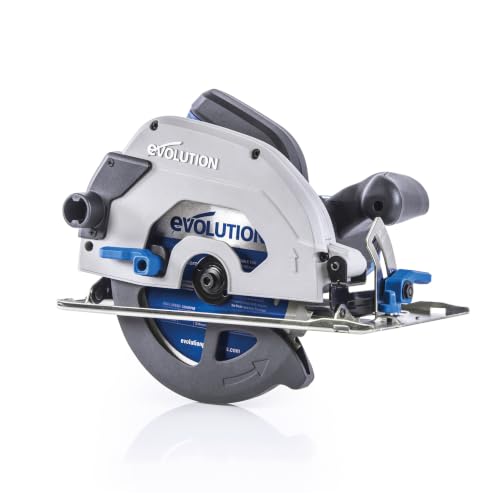 TOP CHOICEBest for corded shop useEvolution S185CCSL | 7.25” Metal Cutting Circular SawView on Amazon
- 4
 Best for heavy-duty worm drive cutsSKILSAW OUTLAW SPT78MMC-01 15 Amp 8 In. Worm Drive Metal Cutting SawView on Amazon
- 5
 Best for compact, light cuttingMilwaukee Electric – M12 Fuel 5-3/8 INCH Circular SawView on Amazon
- 6
 Best for rear-handle controlMilwaukee M18 FUEL 7-1/4 Inch Rear Handle Circular Saw (Bare Tool)View on Amazon
Our Top Picks
Quick Comparison
| Product | Best for | Key feature |
|---|---|---|
| Milwaukee 2982-21 M18 FUEL Metal Cutting Kit | Overall metal cutting | Metal-cutting blade, 8 Ah battery |
| Milwaukee M18 Brushless 7-1/4″ Circular Saw | Cordless metal on a budget | Brushless motor, bare tool |
| Evolution S185CCSL Metal Cutting Saw | Corded shop use | Dry-cut TCT blade included |
| SKILSAW Outlaw SPT78MMC-01 | Heavy-duty worm drive cuts | 8 in. worm drive, 15 amp |
| Milwaukee M12 FUEL 5-3/8 Inch Circular Saw | Compact, light cutting | Small blade, lightweight body |
| Milwaukee M18 FUEL 7-1/4 Inch Rear Handle Circular Saw | Rear-handle control | Rear handle, FUEL motor |
Milwaukee 2982-21 M18 FUEL Lithium-Ion Metal Cutting 8 in. Cordless Circular Saw Kit (8 Ah)
Milwaukee 2982-21 M18 FUEL Lithium-Ion Metal Cutting 8 in. Cordless Circular Saw Kit (8 Ah)
Best for: Overall metal cutting
This kit suits metalworkers who want cordless freedom and a dedicated metal-cutting setup out of the box.
Pros
- Designed specifically for metal cutting with an 8 in. blade.
- 8 Ah battery supports longer run time between charges.
Cons
- Heavier than smaller cordless saws.
Milwaukee M18 BRUSHLESS 7-1/4″ Circular Saw – Bare
Milwaukee M18 BRUSHLESS 7-1/4" CIRCULAR SAW – BARE
Best for: Cordless metal on a budget
A good fit for owners who already run the M18 battery platform and want a bare tool for light metal work.
Pros
- Brushless motor is typically associated with longer tool life and efficient battery use.
- Bare tool keeps the purchase focused on the saw itself.
Cons
- Battery and charger are sold separately.
Evolution S185CCSL | 7.25” Metal Cutting Circular Saw
Evolution S185CCSL | 7.25” Metal Cutting Circular Saw | Cuts Steel & More | 7-1/4” TCT Blade Included | 45° Bevel Cuts | Dry-Cut | 15A Corded Power | Accurate, Powerful, Reliable
Best for: Corded shop use
Suited to shop environments where a steady corded power supply is available and long metal cutting sessions are common.
Pros
- Includes a 7-1/4 in. TCT blade for cutting steel.
- Offers 45-degree bevel cuts for angled work.
Cons
- Requires a power outlet, limiting jobsite portability.
SKILSAW OUTLAW SPT78MMC-01 15 Amp 8 In. Worm Drive Metal Cutting Saw
SKILSAW OUTLAW SPT78MMC-01 15 Amp 8 In. Worm Drive Metal Cutting Saw
Best for: Heavy-duty worm drive cuts
Aimed at users who need torque for thicker stock and prefer a worm drive layout for demanding cuts.
Pros
- Worm drive design typically provides high torque.
- 15 amp motor suits sustained cutting.
Cons
- Heavier and bulkier than sidewinder saws.
Milwaukee Electric – M12 Fuel 5-3/8 INCH Circular Saw
Milwaukee Electric – M12 Fuel 5-3/8 INCH Circular Saw
Best for: Compact, light cutting
A practical option for tight spaces and lighter-gauge metal where a full-size saw would be unwieldy.
Pros
- Compact body makes it easy to handle overhead or in confined areas.
- Runs on the M12 platform for a lighter tool weight.
Cons
- Smaller blade limits maximum cut depth.
Buying Guide
Blade Compatibility and Cutting Capacity
Metal cutting requires a blade designed for ferrous or non-ferrous material, typically a carbide-tipped or abrasive blade with a tooth geometry suited to steel, aluminum or both. Check that the saw accepts the blade diameter you plan to use, since most of the saws covered here run either 7-1/4 inch or 8 inch blades. Match the blade to the thickness and type of metal you cut most often.
Power Source: Cordless or Corded
Cordless saws offer portability and are convenient on job sites without outlets, but their runtime depends on battery capacity and how hard you push the cut. Corded saws deliver consistent power for long or repeated cuts and generally do not run out of charge mid-job. Choose based on where you work and how many cuts you expect in a session.
Guard Design and Dust Management
Metal cutting throws hot sparks and fine particles, so a sturdy guard and a clear view of the cut line matter for safety. Look for a saw with a well-designed blade guard and a setup that keeps debris away from the motor and your face. Dry-cut designs are common for metal work and reduce the need for coolant mess, though you should still wear eye and hearing protection.
Gearing and Motor Type
Worm drive saws use a gear arrangement that transfers high torque, which many users find helpful for heavy metal cutting. Brushless motors in cordless tools tend to run cooler and last longer under load, while traditional brushed motors are simpler and often less expensive to maintain. Consider how demanding your typical cuts will be before deciding which drive and motor style suits you.
Bevel Capability and Ease of Adjustment
If you need angled cuts for fabrication or trim work, confirm the saw offers a bevel range and that the adjustment locks firmly. A saw with easy, repeatable bevel settings saves time and improves accuracy on repeated cuts. Simpler saws without bevel adjustment can still be ideal for straight, basic cuts.
FAQ
Can a Milwaukee circular saw cut steel?
Yes, several Milwaukee models in this roundup are designed for metal cutting when paired with an appropriate abrasive or carbide-tipped blade. Always confirm the blade rating matches the steel thickness and type you plan to cut. Follow the manufacturer’s guidance on blade speed and cutting technique.
Do I need a cordless saw for metal cutting?
Not necessarily. Cordless saws are great for mobility, but corded saws provide steady power for extended work without battery swaps. Your choice depends on where you work and how often you cut.
What blade should I use for cutting aluminum versus steel?
Aluminum typically calls for a blade with a tooth design suited to non-ferrous metals, while steel usually requires a ferrous-rated blade or an abrasive wheel. Using the wrong blade can cause poor cuts, overheating or damage to the blade and saw. Always check the blade packaging and your saw’s manual.
Is a worm drive saw better for metal cutting?
Worm drive saws are valued for their torque and durability under heavy loads, which can help when cutting thick or dense metal. They are often heavier than other designs, so consider comfort if you work overhead or for long periods. For lighter, occasional metal work, a standard sidewinder saw may be easier to handle.
How do I keep my saw cool during metal cutting?
Let the blade do the work instead of forcing the cut, and take breaks to prevent overheating of the blade and motor. Keep the blade sharp and replace it when it shows wear. Good dust and debris management also helps the saw run more efficiently.
Conclusion
If you need a cordless option for frequent metal cutting on the go, the Milwaukee M18 models and the M12 compact saw are good places to start, with the M18 FUEL kit suited to heavier, repeated work. For shops or jobs where consistent corded power matters, the Evolution corded saw and the SKILSAW worm drive are strong choices, with the worm drive favored for demanding cuts.
Match your pick to your power source, the metal you cut most, and how often you work away from an outlet. Whichever you choose, pair it with the correct blade and protective gear for safe, clean results.
Related reading
- Top 7 Milwaukee Electric Circular Saws Compared for Every Need
- Milwaukee vs DeWalt Circular Saw (2026): Which Is Better for Your Jobs?
- Milwaukee M18 Circular Saw Fuel Review: Features and Performance
- Milwaukee 18V Circular Saw: A Step-by-Step Guide to Choosing and Using One
About Caleb Morgan
Caleb Morgan is part of our editorial team and reviews and edits our power tools guides, checking product details against manufacturer specifications and owner feedback.