 By Emily Parker
Updated November 2026
A reciprocating saw wins for fast, aggressive cuts through wood, metal pipe and demolition debris, while an oscillating tool wins for precise, close-quarters work like flush cuts, grout removal and trim. If you mostly tear things out, pick the reciprocating saw. If you mostly need control in tight spaces, the oscillating tool is the better buy. Many shops end up owning both, since each one covers jobs the other handles poorly.
| Criterion | Reciprocating saw | Oscillating tool |
|---|---|---|
| Motion | Back-and-forth stroke | Small, fast side-to-side oscillation |
| Cutting speed | Fastest on thick material | Slower, steady on thin material |
| Cut depth | Deep cuts, often 6 inches or more in wood | Shallow, limited by blade length |
| Control in tight spaces | Limited | Excellent |
| Blade types | Long demolition, bi-metal, wood and pruning blades | Flat, plunge, scraper and sanding attachments |
| Typical jobs | Demolition, pipe, rough framing | Flush cuts, grout, drywall openings, trim |
| Vibration and kickback | Higher, needs a firm two-hand grip | Lower, easier one-handed use |
Cutting Speed and Material Thickness
The reciprocating saw is the clear winner for speed. Its long stroke, typically around 1 inch and running at several thousand strokes per minute on most models, pulls a blade through lumber, nail-embedded framing and steel conduit quickly. Owners often report cutting through a 2×6 in seconds, which is hard to match with an oscillating tool. The oscillating tool is slower and works best on material that is thin or soft, like plywood, vinyl flooring and drywall. For thick stock, expect it to take much longer and wear blades faster.
Precision and Control
The oscillating tool wins on precision. Its small, narrow head lets you reach into corners, along walls and beside baseboards without damaging nearby surfaces. A flat blade can cut a clean flush line against a floor or ceiling, and a plunge blade can start a cut in the middle of a panel. The reciprocating saw has a longer, wilder stroke, so it is much harder to keep on a fine line. Use it when you can afford some rough edges or will trim later.
Blade Selection and Versatility
The reciprocating saw has the advantage here if you need to cut through a wide range of materials, because its blades are long and easy to swap. Demolition blades, bi-metal blades and pruning blades all fit the same tool. The oscillating tool takes a huge range of accessories, including sanding pads, scrapers and grout removers, so it does more kinds of work even though each blade is short. For a full set of accessory options, check out our guide to the 7 Best Oscillating Tool Saw Blades of 2026.
Safety and Ease of Use
The oscillating tool is easier to control for most users. Vibration and kickback are lower, and one-handed use is practical for small jobs. The reciprocating saw produces more vibration and can kick if the blade binds, so keep both hands on the tool, brace the shoe firmly against the work and wear eye and hearing protection. Always keep fingers clear of the blade and unplug or remove the battery before changing blades.
Which Should You Choose?
- Choose a reciprocating saw if you do demolition, pipe cutting, tree limbs or rough framing.
- Choose an oscillating tool if you need flush cuts, grout removal, trim work or cuts near walls.
- Choose a reciprocating saw if you cut thick lumber or metal most weeks.
- Choose an oscillating tool if you do remodeling in finished rooms where damage matters.
- Buy both if you handle a mix of rough and finish work, since their strengths barely overlap.
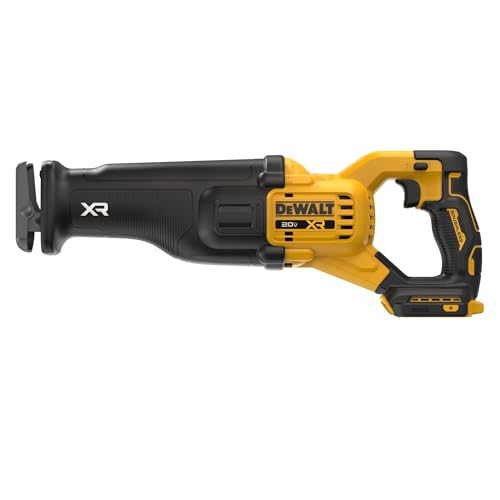
For a reciprocating saw, consider the DeWalt 20V MAX Cordless Reciprocating Saw or the Milwaukee M18 Fuel Sawzall. Both are widely used platforms with broad blade compatibility.
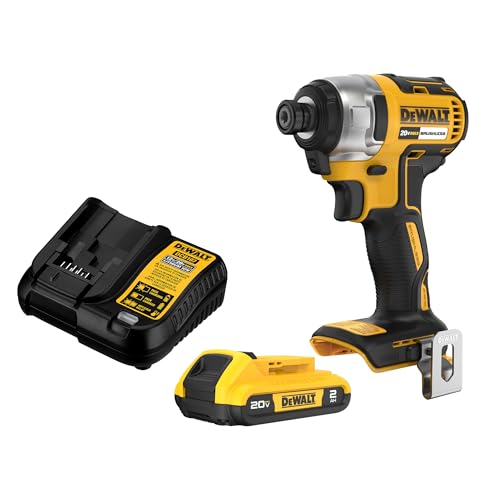
View on AmazonFor an oscillating tool, the Fein MultiMaster is a well-known professional option, and the DeWalt 20V MAX Oscillating Multi-Tool is a common choice for DeWalt battery owners. If you are comparing brand platforms, see Who Makes the Best Oscillating Tool? DeWalt vs Milwaukee (2026) and Milwaukee Tool Oscillating Tool vs Ryobi: Which Should You Choose?.
View on AmazonFAQ
Can an oscillating tool replace a reciprocating saw?
Only for thin or small materials. An oscillating tool can cut drywall, plywood and trim, but it struggles with thick lumber and metal pipe. For demolition or framing, a reciprocating saw is far more practical.
Can a reciprocating saw make flush cuts?
Not cleanly. The long, aggressive stroke makes it hard to stay close to a surface. An oscillating tool with a flat blade is the better choice for flush cuts against floors and walls.
Which tool is safer for beginners?
The oscillating tool is generally easier to control and produces less kickback. Beginners should still wear eye protection and keep the work secured in place.
Do blades work across brands?
Reciprocating saw blades use a standard shank that fits most brands, so they are widely interchangeable. Oscillating tool accessories are less standardized, so check that the blade matches your tool’s mounting system before buying.
Should I buy corded or cordless?
Cordless is convenient for job sites and tight spaces, but corded models give steady power for long sessions. Choose based on how you work and which battery platform you already own.
Conclusion
The reciprocating saw and the oscillating tool solve different problems. Pick the reciprocating saw for fast, deep cuts through wood, pipe and demolition debris. Pick the oscillating tool for controlled, close-quarters work where accuracy matters most. Your typical projects should decide which one comes first, and many owners eventually add the second tool as their work expands.
Before you buy: helpful guides
Related reading
About Emily Parker
Emily Parker is part of our editorial team and reviews and edits our power tools guides, checking product details against manufacturer specifications and owner feedback.