By Caleb Morgan
Updated November 2026
The skill saw vs circular saw question comes up constantly, and the short answer is that they are the same type of tool. “Skil saw” was originally a brand name from Skil Corporation, and over the decades it became a generic nickname for any handheld circular saw. So the real choice is not between two saws but between two ways of buying one: a branded Skil model or a circular saw from another manufacturer. The better pick depends on your battery platform, the materials you cut, and how often you work on job sites.
| Criterion | Skil-branded circular saw | Other-brand circular saw |
|---|---|---|
| Origin of name | Original “Skil saw” brand | Generic type, sold under many brands |
| Battery ecosystem | Skil’s own 20V line | Varies: DeWalt, Milwaukee, Makita, Ryobi and others |
| Blade availability | Standard 7-1/4″ blades fit most models | Standard 7-1/4″ blades fit most models |
| Best for | Homeowners already in Skil’s system | Users invested in an existing tool platform |
| Cutting depth at 90° | Typically around 2-1/2″ on 7-1/4″ saws | Typically around 2-1/2″ on 7-1/4″ saws |
Cutting Performance and Blade Size
Most handheld circular saws, whether branded Skil or otherwise, use a 7-1/4″ blade. At 90 degrees, a typical 7-1/4″ blade cuts roughly 2-1/2″ deep, and at 45 degrees that drops to about 1-3/4″. Manufacturers usually specify these numbers, so check the spec sheet before buying. For a closer look at blade sizing, see our Circular Saw Blade Size Chart: 7-1/4" vs 6-1/2" Blades Compared. Winner on performance: a tie, since the cutting geometry is the same. Pick the saw based on other criteria below.
Battery Platform and Ecosystem
Cordless circular saws are where the decision gets practical. If you already own batteries and chargers from a major platform, buying a saw that shares them saves money on the setup and keeps your kit compact. A Skil cordless saw makes sense if you are building around Skil’s 20V batteries. Otherwise, a saw from a platform you already use is usually the smarter buy. Winner: whichever brand matches the batteries you already own.
Ease of Use and Maintenance
Both types share the same basic controls: a trigger, a blade guard, a bevel adjustment and a depth lever. Maintenance is also identical. Check the blade regularly, keep the guard clean and make sure the shoe stays flat against your work. Dull blades cause kickback and rough cuts, so learn when to sharpen and when to replace. Our guide on How to Sharpen a Saw Blade Circular (2026): DIY Sharpening vs Sending It Out covers both options. Winner: tie, since maintenance is driven by the blade, not the brand name.
Versatility for Different Materials
A standard 7-1/4″ circular saw handles dimensional lumber, plywood and sheet goods well. For clean, straight rip cuts, a guide or a track saw helps, and our comparison of Track Saw vs Circular Saw: Which Is Right for You? explains when that upgrade is worth it. Winner: tie for most lumber work; the blade choice matters more than the saw name.
Which Should You Choose?
- Choose a Skil-branded saw if you already own Skil batteries or want a straightforward homeowner tool.
- Choose a saw from your existing battery platform if you work with other power tools and want shared batteries.
- Choose a corded saw if you need steady power for long sessions and don’t mind a cord.
- Choose a saw with a larger blade or a track saw if you make frequent long, straight cuts in sheet goods.
- Consider an oscillating tool instead if your work is mostly trim or flush cuts; see Oscillating Wood Cutting Tool vs Circular Saw (2026): Which Is Better for Wood?.
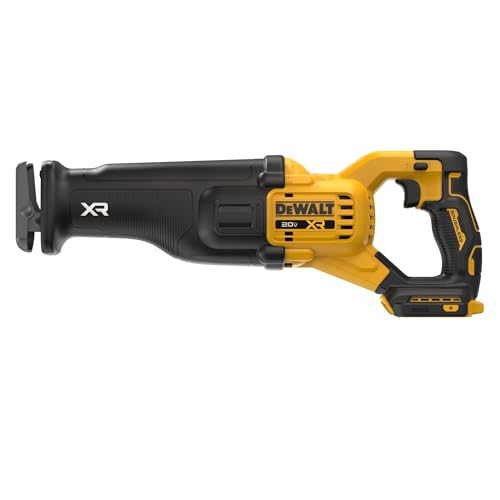
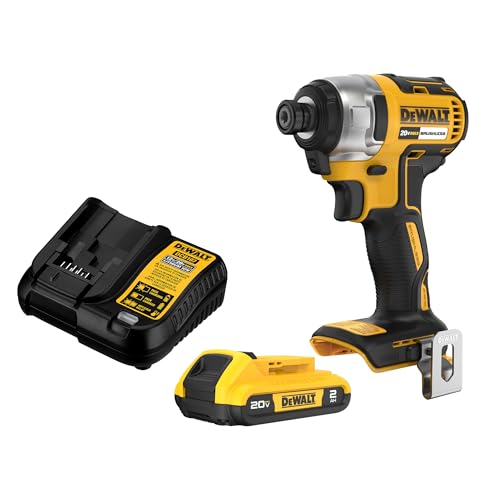
Some popular options to compare:
View on Amazon View on AmazonFAQ
Is a skill saw the same as a circular saw?
Yes. Skil was the original brand name, and “skill saw” became a common nickname for any handheld circular saw. The tools work the same way regardless of the brand on the housing.
Which blade size should I use?
Most handheld saws use a 7-1/4″ blade. Smaller 6-1/2″ saws are lighter and useful for overhead or tight work. Check the saw’s manual for the approved blade size.
Can I use any blade on a skill saw?
Use a blade that matches the saw’s diameter, arbor size and maximum RPM rating. Blade selection by tooth count and grind matters more than the brand, so see our guide on Saw Blades: Tooth Count, Kerf and Grind for Circular, Miter and Table Saws.
Is a cordless saw as powerful as a corded one?
Modern cordless saws handle most home and framing tasks well. Corded saws still offer steadier power for long, heavy cutting sessions.
How do I make straighter cuts?
Use a straightedge guide, keep the shoe flat and cut with a sharp blade. Our tutorial on How to Cut Straight with a Circular Saw walks through the setup.
Conclusion
The skill saw vs circular saw debate is mostly about naming, not performance. Both use the same blade sizes and deliver similar cuts. Your real decision should focus on the battery platform you already own, how often you cut, and what materials you work with. Match the saw to your existing tools and your typical jobs, and you will get the best value. If you’re unsure, check the manufacturer’s specifications and consult a qualified professional for complex or structural cutting work.
Before you buy: helpful guides
About Caleb Morgan
Caleb Morgan is part of our editorial team and reviews and edits our power tools guides, checking product details against manufacturer specifications and owner feedback.