By Emily Parker
Updated November 2026
What’s the difference between impact driver and drill? In short, a drill applies steady rotation with adjustable clutch torque, while an impact driver delivers rapid rotational hammer blows that drive fasteners with far more force. This guide explains how each tool works, where each one excels, and how to decide which belongs in your bag.
How a Drill Works
A drill, usually called a drill/driver, turns the bit at a continuous rate. Its clutch is the key feature: you set a torque number, and the tool disengages once a screw reaches that resistance. That protects the screw head and the material around it.
Shopping for one? See our guide: What Is Difference Between Impact Driver and Drill? 3 Best Picks Compared (2026).
Drills also make holes well. Most models offer a hammer mode for masonry, and a gear selector that trades speed for torque. Because the output is smooth and controllable, drills suit precise work such as pilot holes, cabinet hardware and furniture assembly.
How an Impact Driver Works
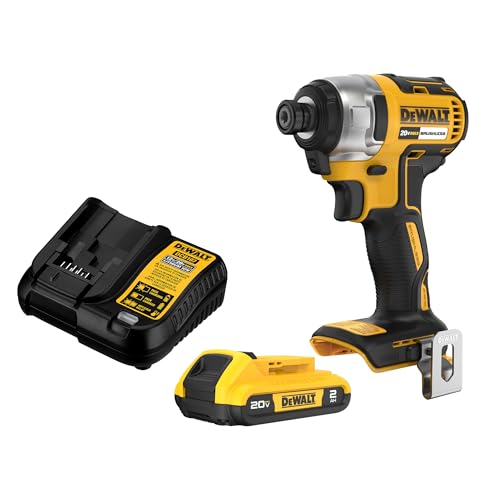
An impact driver uses a mechanism that stores rotational energy and releases it in short bursts. Each burst, or impact, multiplies the torque transferred to the fastener. The result is much higher driving force with less effort from you, and less wrist strain on long jobs.
The trade-off is control. Impact drivers have no true adjustable clutch, so they can overdrive a screw or strip a soft pilot hole. They also accept only hex-shank bits, which fit a quick-release chuck. Their strength is driving, not general-purpose drilling.
Choosing the Right Tool for the Job
Match the tool to the task before you pick it up. Use this quick comparison to decide:
| Task | Better choice | Why |
|---|---|---|
| Drilling precise holes in wood or metal | Drill | Steady speed and clutch control |
| Driving long deck or lag screws | Impact driver | Higher torque with less effort |
| Assembling furniture | Drill | Clutch protects delicate material |
| Running structural fasteners into framing | Impact driver | Drives fasteners quickly and consistently |
| Drilling into masonry | Drill (hammer mode) | Dedicated hammer action for concrete |
Steps to Decide Which You Need
- List the three tasks you do most often.
- Note how many of them involve drilling holes versus driving screws.
- If holes and precise fastening dominate, start with a drill/driver.
- If you drive many long or heavy fasteners, add an impact driver.
- If you own one battery platform, buy both tools on that platform so they share batteries.
Many owners end up with both. A drill handles pilot holes and controlled fastening, and an impact driver takes over the heavy driving. Check your brand’s battery compatibility before you commit to a set, since mixing platforms means extra chargers and batteries.
Common Mistakes to Avoid
- Using an impact driver to drill pilot holes in soft wood, which can split or oversize the hole.
- Leaving the clutch at maximum on a drill, which can strip screws in softwood.
- Forgetting that impact drivers need hex-shank bits, not round-shank bits.
- Driving screws into hardwood without pilot holes, even with an impact driver.
- Ignoring the manufacturer’s torque and speed guidance for your fastener and material.
Recommended Gear
- Drill/driver with a clutch: A good starting tool for holes and controlled fastening. View on Amazon
- Impact driver: Useful once you regularly drive long or structural screws. View on Amazon
- Hex-shank bit set: Required for impact drivers and worth having for drills too. View on Amazon
For a deeper look at each tool’s jobs, read What Is Impact Driver Drill Used For? Jobs, Uses and When to Pick One and Power Drill vs Impact Driver: Which One to Use and When. If you are comparing combo sets, see Milwaukee Drill and Impact Driver Set: How to Choose the Right Combo (2026).
FAQ
Can an impact driver replace a drill?
Not fully. An impact driver can drive screws well, but it lacks a true clutch and precise speed control, so it is a poor choice for most drilling work.
Can a drill drive screws as well as an impact driver?
For small screws in soft material, yes. For long or structural fasteners, a drill usually needs more effort and can stall or strip the screw.
Which tool should a beginner buy first?
Most beginners start with a drill/driver because it covers drilling and general fastening. Add an impact driver once you regularly drive long screws.
Conclusion
A drill gives you controlled rotation and clutch-protected fastening, while an impact driver delivers high driving force in short bursts. Choose based on the work you do most. Many people eventually own both, and the pairing covers nearly every common job.
Related reading
Ready to choose one?
About Emily Parker
Emily Parker is part of our editorial team and reviews and edits our power tools guides, checking product details against manufacturer specifications and owner feedback.