By Caleb Morgan
Updated November 2026
A miter saw and a circular saw both cut wood quickly, but they are built for different jobs. A miter saw wins for square, angled and repeatable crosscuts on trim, framing and molding. A circular saw wins for portability and for ripping sheet goods or cutting long boards on site. If your work happens mostly at a bench, pick the miter saw. If your work moves from room to room or jobsite to jobsite, the circular saw is the better fit.
| Criterion | Miter Saw | Circular Saw |
|---|---|---|
| Best cut type | Crosscuts and angled cuts | Rip cuts and long straight cuts |
| Portability | Bench or stand mounted | Handheld and fully portable |
| Accuracy at 90 degrees | Very high, set by the fence and detents | Depends on the user and guide |
| Typical bevel range | Up to about 45 degrees (dual bevel models go both ways) | Commonly 0 to about 50 degrees |
| Typical cut capacity | Limited by blade diameter, often around 6 to 7 inches of width on a 12-inch saw | Depth limited, often about 2 inches at 90 degrees on a 7-1/4 inch blade |
| Setup time | Low once on a stable base | Low, but straight cuts need a guide or edge |
| Learning curve | Gentle for repeatable cuts | Moderate, mainly for keeping a straight line |
Cut Accuracy and Repeatability
The miter saw wins here, and it is not close. Its pivoting arm, fence and detent stops let you set a 90 or 45 degree angle and cut the same length again and again. Crown molding, picture frames and deck rail parts all benefit from this. A circular saw depends on your hand, your guide and how straight you can keep the blade line. With a good straightedge clamped in place, a circular saw can produce clean cuts, but it takes more setup and checking. For repeat cuts of identical length, the miter saw is the clear winner.
Portability and Setup
The circular saw wins for mobility. It weighs far less than a miter saw, runs on a battery or cord, and goes wherever the work is. You can cut a board on a sawhorse, on the floor or on a roof. A miter saw needs a flat, stable surface, and many users add a stand or a folding base to make it usable on site. If you rarely leave the shop, the miter saw’s bench setup is a plus. If you frequently carry tools to job sites, the circular saw is the easier tool to live with.
Bevel and Angle Versatility
The circular saw wins on bevel flexibility for certain cuts, since it tilts the blade for bevel rips on lumber and sheet goods. The miter saw wins on angled crosscuts, because its miter arm sweeps the blade across the board. A dual bevel miter saw tilts to both sides, which helps with compound cuts on crown molding without flipping the workpiece. For simple angled crosscuts and compound miters, the miter saw is more convenient. For tilted rips and bevel cuts on wide stock, the circular saw has the edge.
Cut Capacity and Material Thickness
The circular saw wins for thick and wide material. Because the blade moves through the workpiece from above, you can cut through a 4×4 or a sheet of plywood with a blade set to the right depth. A miter saw’s cut capacity depends on blade diameter and the arm’s sweep, so wide boards and thick stock may need to be cut in passes or with a sliding model. For general framing and trim work, the miter saw is enough. For rough lumber and full sheets, the circular saw handles the load better.
Which Should You Choose?
- Choose a miter saw if you cut trim, molding, picture frames or repeat-length framing parts at a bench.
- Choose a miter saw if you need consistent 45 degree and 90 degree crosscuts with minimal setup.
- Choose a circular saw if you work on job sites, cut sheet goods or need to rip long boards.
- Choose a circular saw if you want one tool that moves easily between rooms, decks and garages.
- Choose both if your work spans finish carpentry at a bench and rough framing on site. Many shops keep one of each.
For a closer look at cordless models, see Track Saw vs Circular Saw: Which Is Right for You? for a comparison of guided cutting options, and How to Evaluate a Circular, Miter or Table Saw Before You Buy for a checklist to use in the store.
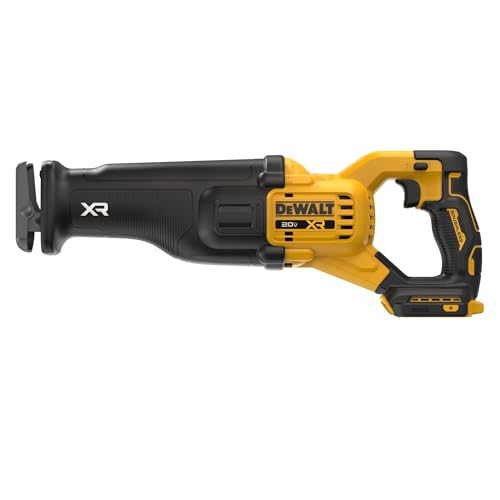
Popular miter saw options include the View on Amazon, a common choice for trim and framing work, and the View on Amazon for cordless jobsite use.
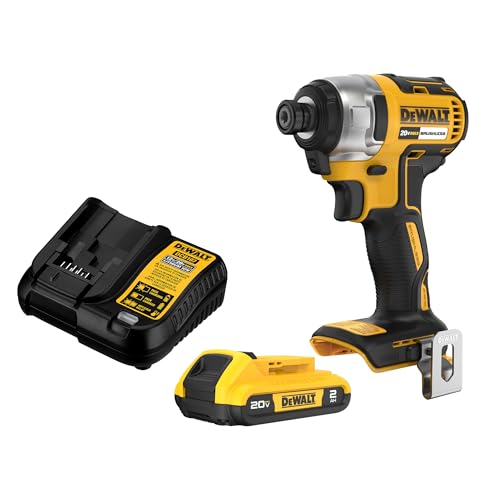
For a portable alternative, the View on Amazon is a widely used cordless circular saw, and the View on Amazon is another option for jobsite work.
FAQ
Can a circular saw replace a miter saw?
For rough cuts and basic crosscuts, yes. For repeatable angled trim cuts, a circular saw is harder to keep accurate. A miter saw is better suited to finish carpentry where precision matters.
Is a miter saw safer than a circular saw?
A miter saw keeps your hands further from the blade and clamps the workpiece against a fence, which reduces some risks. Both tools can cause serious injury, so always use guards, eye protection and proper technique. Consult a professional if you are unsure.
Which saw is better for cutting crown molding?
A dual bevel miter saw is the standard choice for crown molding, since it handles compound angles well. A circular saw is not practical for this work.
Can a miter saw cut thick lumber?
Many miter saws handle 4×4 stock, but wider boards may need a sliding model or multiple passes. Check the cut capacity listed for your specific model before buying.
Do I need both tools?
Not always. If your work is mostly indoor trim, a miter saw covers it. If your work is mostly on site, a circular saw may be enough. Many serious users eventually own both.
Conclusion
The miter saw is the better tool for accurate, repeatable crosscuts, angled trim and finish carpentry at a fixed workstation. The circular saw is better for portability, rip cuts, sheet goods and thick material on site. Think about where you do most of your cutting, how accurate your cuts need to be and how often you move your tools. Match the saw to that work, and you will spend less time fixing cuts and more time building.
Before you buy: helpful guides
- DeWalt vs Milwaukee Miter Saw: Which Fits Your Cuts in 2026?
- Table vs Miter Saw: Which One Makes Your Cuts Faster and Cleaner?
- Single Versus Double Bevel Miter Saw: Which One Fits Your Cuts? (2026)
- 20v DeWalt Circular Saw: A Step-by-Step Guide to Choosing and Using One
- How to Cut Wood with Circular Saw: A Step-by-Step Guide for Beginners
About Caleb Morgan
Caleb Morgan is part of our editorial team and reviews and edits our power tools guides, checking product details against manufacturer specifications and owner feedback.