By Caleb Morgan
Updated November 2026
Choosing a circular saw for metal comes down to three things: whether the blade can handle steel or aluminum without overheating, how much cutting depth you actually need, and whether you want corded reliability or cordless freedom on the jobsite. This guide compares seven models across those criteria. We looked at manufacturer specifications, brand reputation for metal-cutting tools, and the patterns that show up in owner feedback, such as blade life, guard design and how well the laser guides hold alignment.
Our top picks at a glance
- 1
 TOP CHOICEBest overallEvolution S185CCSLView on Amazon
- 2
 TOP CHOICEBest for heavy-duty steel cuttingSKILSAW OUTLAW SPT78MMC-01View on Amazon
- 3
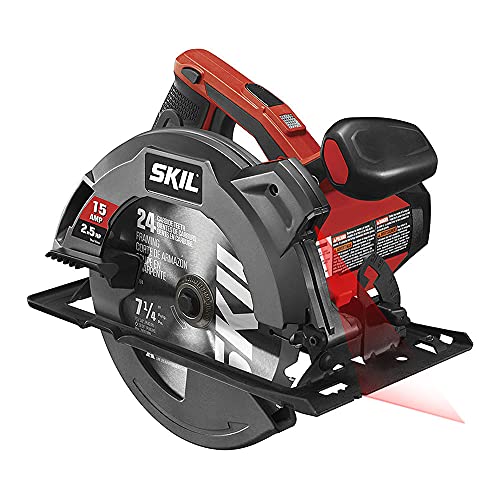 TOP CHOICEBest for general-purpose framing and metalSKIL 5280-01View on Amazon
- 4
 Best for multi-material versatilityEvolution R185CCSView on Amazon
- 5
 Best cordless pickMilwaukee 2982-21 M18 FUELView on Amazon
- 6
 Best budget pickDOVAMAN 4-1/2" Circular SawView on Amazon
- 7
 Best for small jobs and tight spacesSEESII Mini Circular SawView on Amazon
Our Top Picks
Quick Comparison
| Product | Best for | Key feature |
|---|---|---|
| Evolution S185CCSL | Overall metal cutting | 7-1/4″ TCT blade included, cuts steel |
| SKILSAW OUTLAW SPT78MMC-01 | Heavy-duty steel | 8″ worm drive metal-cutting design |
| SKIL 5280-01 | General framing and light metal | Single beam laser guide |
| Evolution R185CCS | Multi-material jobs | 7-1/4″ TCT multi-material blade |
| Milwaukee 2982-21 | Cordless jobsite use | M18 FUEL brushless cordless platform |
| DOVAMAN 4-1/2″ Circular Saw | Budget light work | Laser guide and six blades included |
| SEESII Mini Circular Saw | Small, detailed cuts | Compact 4-1/2″ body with laser and bevel |
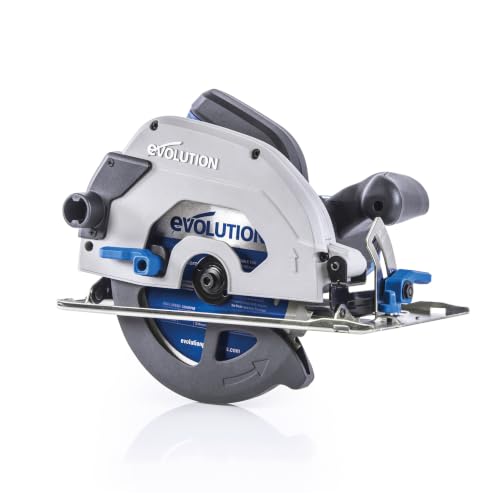
Evolution S185CCSL
Evolution S185CCSL | 7.25” Metal Cutting Circular Saw | Cuts Steel & More | 7-1/4” TCT Blade Included | 45° Bevel Cuts | Dry-Cut | 15A Corded Power | Accurate, Powerful, Reliable
Best for: Overall metal cutting with a single, purpose-built saw
This is a good fit for fabricators, maintenance crews and serious DIYers who cut steel regularly and want a saw designed around metal rather than wood with a metal blade bolted on.
Key specs
- 7-1/4″ TCT metal-cutting blade included
- 15-amp corded motor
- 45° bevel capability
- Dry-cut operation
Pros
- Cuts steel cleanly with a blade matched to the job
- Bevel capacity adds versatility for angled work
- Consistent power for sustained cuts
Cons
- Corded operation limits reach on remote sites
- Blade replacements should be sourced to match metal-cutting specs
Bottom line: The most direct choice for someone who wants one dedicated metal-cutting circular saw and has access to power.
View on AmazonSKILSAW OUTLAW SPT78MMC-01
SKILSAW OUTLAW SPT78MMC-01 15 Amp 8 In. Worm Drive Metal Cutting Saw
Best for: Heavy-duty steel cutting and thicker stock
Suited to shops and crews who regularly cut thick steel sections, where the larger 8″ capacity and worm drive design matter more than portability.
Key specs
- 8″ metal-cutting blade capacity
- 15-amp corded motor
- Worm drive gearing for torque
Pros
- Worm drive design handles dense material under load
- Larger blade capacity suits heavier stock
- Built for sustained metal work
Cons
- Heavier than compact saws, which can tire you out overhead
- Overkill for light sheet metal
Bottom line: Pick this when steel is your main material and you need torque more than light weight.
View on AmazonSKIL 5280-01
SKIL 15 Amp 7-1/4 Inch Circular Saw with Single Beam Laser Guide – 5280-01
Best for: General-purpose framing and light metal work
A practical option for homeowners and remodelers who mostly cut lumber but occasionally need to cut light metal such as thin steel strap or conduit. Owners often mention the laser guide as a helpful feature for keeping cuts straight.
Key specs
- 7-1/4″ blade size
- 15-amp corded motor
- Single beam laser guide
Pros
- Versatile across wood and light metal
- Laser guide aids alignment
- Familiar blade size with wide availability
Cons
- Not built for thick structural steel
- Metal cuts require a dedicated metal-cutting blade
Bottom line: Best for people who want one saw that handles most household framing and only occasional metal.
View on AmazonEvolution R185CCS
Evolution Power Tools R185CCS 7-1/4" TCT Multi-Material Cutting Circular Saw, 7-1/4", Orange
Best for: Multi-material jobs that mix metal, wood and plastic
Good for contractors and tradespeople who switch between materials on the same day and want one saw with a blade rated for several of them.
Key specs
- 7-1/4″ TCT multi-material blade
- Corded operation
- Designed for steel, aluminum and wood
Pros
- Handles several material types without a blade swap
- Clear orange housing aids visibility
- Shares the Evolution cutting platform
Cons
- Multi-material blades are a compromise; a dedicated metal blade may last longer on steel
- Corded power limits mobility
Bottom line: A strong pick for mixed-material days, though heavy steel users may still prefer a dedicated metal saw.
View on AmazonMilwaukee 2982-21 M18 FUEL
Milwaukee 2982-21 M18 FUEL Lithium-Ion Metal Cutting 8 in. Cordless Circular Saw Kit (8 Ah)
Best for: Cordless metal cutting on the jobsite
Fits crews and tradespeople who need to cut metal away from outlets and already own the M18 battery system. Owners frequently cite the brushless motor and battery platform as the main reasons they stay with it.
Key specs
- 8″ metal-cutting capacity
- M18 lithium-ion cordless platform
- Brushless FUEL motor
- 8 Ah battery included in kit
Pros
- Cordless freedom for remote metal cuts
- Works with the large M18 tool ecosystem
- Brushless motor supports longer runtime
Cons
- Battery weight adds to the total tool weight
- Cordless runtime depends on cut count and material thickness
Bottom line: The right choice if you are already invested in Milwaukee M18 batteries and need to cut metal in the field.
View on AmazonDOVAMAN 4-1/2″ Circular Saw
DOVAMAN Circular Saw, 5.8A 4-1/2" Circular Saw w/Laser & Auxiliary Handle | 6 Blades (4½" Diameter, 3/8" Arbor), Cutting Depth 1-11/16" (90°), 1-3/8" (45°), Ideal for Wood, Soft Metal, Plastic, Tile
Best for: Budget light work and occasional cuts
Aimed at hobbyists and homeowners who need a compact saw for light jobs and value the included accessories. Because it is a smaller saw, it suits thinner stock rather than heavy structural steel.
Key specs
- 4-1/2″ blade diameter, 3/8″ arbor
- 5.8-amp corded motor
- Cutting depth of 1-11/16″ at 90° and 1-3/8″ at 45°
- Laser guide and auxiliary handle
Pros
- Six blades included for multiple materials
- Lightweight and easy to control
- Laser and auxiliary handle aid control
Cons
- Limited cutting depth for thick metal
- Lower amperage than full-size saws
Bottom line: A sensible starting point for light metal and mixed-material projects, not for heavy fabrication.
View on AmazonSEESII Mini Circular Saw
SEESII Mini Circular Saw, 4.8A 4000RPM Corded Compact 4-1/2" Saw with Laser | 3 Blade with Storage Bag for Wood, Metal, Tile and Plastic Cutting, Featuring Laser Guide, 45° Bevel Cut and Dust extracti
Best for: Small, detailed cuts in tight spaces
Useful for hobbyists and makers who work on small projects, thin tubing or tile and need a compact, controllable saw with a laser guide.
Key specs
- 4-1/2″ blade size
- 4.8-amp corded motor
- Laser guide and 45° bevel cuts
- Three blades with storage bag
Pros
- Compact body suits tight workspaces
- Includes blades for several materials
- Bevel and laser features add precision
Cons
- Low amperage limits heavy use
- Not suited to thick steel or sustained production work
Bottom line: A good fit for small-scale and craft projects; look elsewhere for structural metal.
View on AmazonBuying Guide
Blade Type and Tooth Design
Metal-cutting circular saws need abrasive or carbide-tipped blades designed for ferrous or non-ferrous metal. Blades for wood have large teeth and will grab or dull quickly on steel. Check the blade label for metal ratings and confirm arbor size before buying a replacement.
Good picks for this: Evolution S185CCSL, Evolution R185CCS
Corded vs Cordless Power
Corded saws deliver steady power for long cuts in steel. Cordless saws give you freedom on the jobsite but depend on battery capacity and runtime. If you already own a battery platform, staying within it saves money on chargers and packs.
Good picks for this: Milwaukee 2982-21, SKILSAW OUTLAW SPT78MMC-01
Blade Diameter and Cutting Depth
Blade size determines maximum cutting depth. A 7-1/4″ saw is the common size for most metal stock, while 8″ saws handle thicker sections. Smaller 4-1/2″ saws are better for light sheet and tube. Check the stated depth at 90° and 45° before you commit.
Good picks for this: SKILSAW OUTLAW SPT78MMC-01, DOVAMAN 4-1/2″ Circular Saw
Motor Power and Amperage
Amperage gives a rough indication of how the motor handles load. Saws in the 15-amp range are typical for regular metal work, while lower-amp compact models are better for light tasks. Owners often report that undersized saws bog down and overheat on thick steel.
Good picks for this: SKIL 5280-01, SKILSAW OUTLAW SPT78MMC-01
Laser Guides and Alignment Aids
Laser guides can help you track a line, but they should not replace a straightedge clamped to the workpiece. Owners frequently mention that laser alignment can drift after drops, so check it before important cuts.
Good picks for this: SKIL 5280-01, SEESII Mini Circular Saw
Safety Features and Guards
Look for a working blade guard, a sturdy base plate and a trigger lock. Metal cutting throws sparks and produces hot chips, so wear eye and face protection and keep the work clamped. Always follow the manufacturer’s manual for blade speed and guard operation.
Good picks for this: Evolution S185CCSL, Milwaukee 2982-21
Durability and Care
Metal cutting wears blades faster than wood cutting. Let the saw do the work, avoid forcing it, and remove metal chips from the guard and base after each session. Store blades in a dry place to prevent rust on the teeth.
Good picks for this: Evolution R185CCS, DOVAMAN 4-1/2″ Circular Saw
FAQ
Can a regular circular saw cut metal?
Only if you fit it with a blade rated for metal, such as an abrasive or carbide-tipped metal-cutting blade. A wood blade will dull quickly and can be dangerous on steel. Confirm the blade’s rated materials before cutting.
What blade do I need to cut steel with a circular saw?
Use a blade labeled for ferrous metal. Many metal-cutting blades have a fine tooth or abrasive design and a rated maximum RPM. Match the blade diameter and arbor size to your saw.
Is a cordless circular saw strong enough for metal?
Modern brushless cordless saws can cut metal well, especially in the 8″ class. Runtime depends on battery capacity, blade condition and material thickness, so keep a spare battery for longer jobs.
How thick a metal can a 7-1/4″ circular saw cut?
Depth depends on the blade and the saw’s stated capacity. Check the manufacturer’s specified depth at 90°, as bevel cuts reduce capacity. Thick structural steel usually calls for a larger or purpose-built saw.
Do I need eye and hearing protection when cutting metal?
Yes. Metal cutting produces sparks, hot debris and noise. Wear safety glasses or a face shield, hearing protection and gloves suited to the task. Consult a professional or your employer’s safety program if you work in a regulated environment.
Should I use a circular saw or an abrasive cut-off saw for metal?
Abrasive cut-off saws are common for steel bar and pipe, while circular saws with metal blades suit sheet and angle stock. The right choice depends on the shape of the metal and the cut quality you need.
Conclusion
For a dedicated metal-cutting saw, the Evolution S185CCSL is the most direct choice, while the SKILSAW OUTLAW suits heavier steel. Homeowners who mostly cut wood with occasional metal may prefer the SKIL 5280-01. Multi-material crews can consider the Evolution R185CCS, and cordless users already in the Milwaukee M18 system have a clear option in the 2982-21. The DOVAMAN and SEESII models suit light, small-scale work. Match the blade, depth and power source to your materials, and check each manufacturer’s specifications before buying.
Sources
- Workplace guidance on power saw hazards, guarding and personal protective equipment (osha.gov)
- Consumer safety information on power tool injuries and safe operation (cpsc.gov)
- Industry standards for power tool safety and blade specifications
Related reading
- Milwaukee Circular Saw for Metal: 6 Best Picks Compared (2026)
- 7 Best Milwaukee Circular Saw Blades for Framing, Finish and Metal (2026)
- What Is a Circular Saw Used For? Common Jobs and How to Choose
About Caleb Morgan
Caleb Morgan is part of our editorial team and reviews and edits our power tools guides, checking product details against manufacturer specifications and owner feedback.