By Caleb Morgan
Updated November 2026
Shopping for a circular saw for straight cuts usually comes down to one question: how much help does the saw need to stay on a line? Some saws are capable enough on their own, while others rely on a laser, a guide rail or a rip fence to keep the cut true. This list compares six options across three criteria: how well the tool holds a line out of the box, how easily the guide or accessory attaches and adjusts, and how well the setup suits common jobs like breaking down plywood, ripping lumber and cutting sheet goods. Specifications come from manufacturer listings, and the comments reflect patterns that owners often report.
Our top picks at a glance
- 1
 TOP CHOICEBest overallKreg Straight Edge Guide XL, 98 Inch Circular Saw Guide, KMA4700View on Amazon
- 2
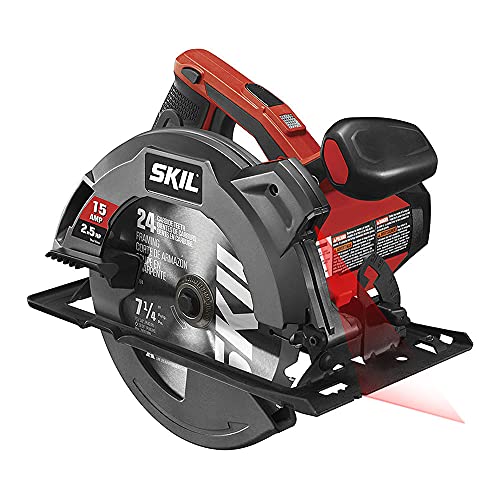 TOP CHOICEBest for laser-guided cutsSKIL 15 Amp 7-1/4 Inch Circular Saw with Single Beam Laser Guide – 5280-01View on Amazon
- 3
 TOP CHOICEBest for wide rip cutsKreg Rip-Cut Universal Circular Saw Guide, Cuts up to 24" Wide, KMA2400View on Amazon
- 4
 Best budget pickSkil 5080-01 13-Amp 7-1/4" Circular Saw, RedView on Amazon
- 5
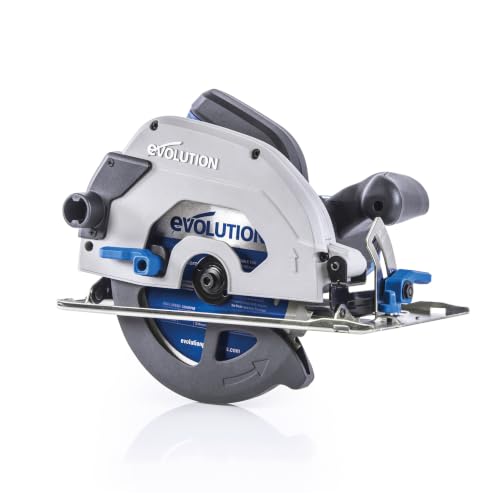 Best for metal and mixed materialsEvolution S185CCSL 7.25” Metal Cutting Circular SawView on Amazon
- 6
 Best for small or light jobsDOVAMAN Circular Saw, 5.8A 4-1/2" Circular Saw w/Laser & Auxiliary HandleView on Amazon
Our Top Picks
Before the individual picks, a quick note on method. Straight-cut performance depends on two things: the saw’s own base and blade alignment, and whether the guide or fence gives you a reliable reference edge. Several of the products below are guides rather than saws, so they are best read as a system with a compatible saw. Check blade diameter, arbor size and base plate compatibility before buying.
Quick Comparison
| Product | Best for | Key feature |
|---|---|---|
| Kreg Straight Edge Guide XL, KMA4700 | Long crosscuts and rips on sheet goods | 98-inch aluminum rail |
| SKIL 5280-01 Circular Saw | Beginners who want a visual cut line | Single beam laser guide |
| Kreg Rip-Cut Universal Guide, KMA2400 | Wide rip cuts in lumber and panels | Cuts up to 24 inches wide |
| Skil 5080-01 Circular Saw | General framing and light carpentry | 13-amp motor, 7-1/4 inch blade |
| Evolution S185CCSL | Cutting steel and mixed materials | Metal cutting blade, 45° bevel |
| DOVAMAN 4-1/2″ Circular Saw | Small trim and light materials | Built-in laser and auxiliary handle |
Kreg Straight Edge Guide XL, 98 Inch Circular Saw Guide, KMA4700
Kreg Straight Edge Guide XL, 98 Inch Circular Saw Guide, KMA4700 | For Circular Saw, for Accurate Cross Cut and Rip Cut, Aluminum Guide Rails, Professional-Grade
Best for: Long, accurate cuts on plywood, sheet goods and wide boards.
This is a guide rail rather than a saw. It suits anyone who regularly breaks down 4×8 sheets or needs long crosscuts that must run dead straight from start to finish. Because the rail is long, a single setup covers most sheet-goods work without repositioning.
Key specs
- 98-inch aluminum guide rail
- Designed for use with a standard circular saw
- Supports both crosscut and rip cuts
Pros
- Long reach handles full sheets in one pass
- Rigid aluminum profile resists flex during the cut
- Works with most standard saws that have a compatible base plate
Cons
- Long rail takes up space in a small shop or truck bed
- Needs a saw with a matching base plate for best results
Bottom line: The right choice for anyone who regularly cuts full sheets and wants a long, stable reference edge.
View on AmazonSKIL 15 Amp 7-1/4 Inch Circular Saw with Single Beam Laser Guide – 5280-01
SKIL 15 Amp 7-1/4 Inch Circular Saw with Single Beam Laser Guide – 5280-01
Best for: Beginners who want a visible cut line without buying a separate guide.
A laser-guided saw is useful for people still learning to follow a line by eye. The laser projects a line on the workpiece, which many users find easier to track than a pencil mark alone, though the laser should always be verified against the blade path before important cuts. For another angle, check out 5 Best Circular Saw Cordless: Top Picks Compared (2026).
Key specs
- 15-amp motor
- 7-1/4 inch blade
- Single beam laser guide
Pros
- Laser line gives a clear visual reference
- Standard blade size with wide blade availability
- Useful for general framing and carpentry
Cons
- Laser alignment may need periodic checking against the blade
- Laser is less useful on dusty or bright job sites
Bottom line: A sensible pick for someone who wants a visual guide built in and is willing to verify the laser alignment before relying on it.
View on AmazonKreg Rip-Cut Universal Circular Saw Guide, Cuts up to 24″ Wide, KMA2400
Kreg Rip-Cut Universal Circular Saw Guide, Cuts up to 24" Wide, KMA2400 | Cutting Tool, Compatible with Regular Side-Blade Circular Saws, for Rip and Straight Cuts, Ensure Compatibility Before Use
Best for: Wide rip cuts in lumber, plywood and panels.
This guide attaches to a regular side-blade circular saw and gives a consistent reference edge for ripping. It is especially helpful when a board is wider than a standard fence can handle. Confirm compatibility with your saw before purchase, since the listing notes that fit matters.
Key specs
- Cuts up to 24 inches wide
- Compatible with regular side-blade circular saws
- Designed for rip and straight cuts
Pros
- Handles wide stock that most fences cannot reach
- Consistent edge reference for repeatable rips
- Universal design for many standard saws
Cons
- Compatibility must be checked against your specific saw
- Setup takes a few minutes more than a simple fence
Bottom line: Best for people who rip wide boards or panels regularly and already own a compatible side-blade saw.
View on AmazonSkil 5080-01 13-Amp 7-1/4″ Circular Saw, Red
Skil 5080-01 13-Amp 7-1/4" Circular Saw, Red
Best for: Budget-minded buyers who need a dependable general-purpose saw.
This is a straightforward corded saw with a 7-1/4 inch blade. It does not include a laser or guide, so straight-cut accuracy depends on the user’s technique or on adding a rail or fence. It is a good fit for framing, deck work and general carpentry.
Key specs
- 13-amp motor
- 7-1/4 inch blade
- Corded operation
Pros
- Simple, familiar design for general use
- Standard blade size with easy replacement
- Pairs well with aftermarket guides
Cons
- No built-in laser or guide for straight-line reference
- Cord limits mobility compared with cordless options
Bottom line: A budget-friendly base saw for buyers who plan to add a guide or fence for precision work.
View on AmazonEvolution S185CCSL 7.25” Metal Cutting Circular Saw
Evolution S185CCSL | 7.25” Metal Cutting Circular Saw | Cuts Steel & More | 7-1/4” TCT Blade Included | 45° Bevel Cuts | Dry-Cut | 15A Corded Power | Accurate, Powerful, Reliable
Best for: Cutting steel and mixed materials where a wood-only blade would not be suitable.
This saw is built for metal cutting with a TCT blade and includes a 45-degree bevel capability. Owners who work across materials often report that it covers more ground than a standard wood saw, though metal cutting requires appropriate blades, speeds and safety gear.
Key specs
- 7-1/4 inch TCT blade included
- 45-degree bevel cuts
- 15-amp corded power
Pros
- Handles metal and mixed-material cuts
- Bevel capability adds versatility
- Blade included for immediate use
Cons
- Specialized use may be more than general carpenters need
- Metal cutting generates heat and sparks, requiring careful setup
Bottom line: A good match for people who cut both wood and metal and want one corded saw for both. For a deeper look, 5 Best Chain Saw Attachments for Circular Saw (2026): Our Picks covers this in detail.
View on AmazonDOVAMAN Circular Saw, 5.8A 4-1/2″ Circular Saw w/Laser & Auxiliary Handle
DOVAMAN Circular Saw, 5.8A 4-1/2" Circular Saw w/Laser & Auxiliary Handle | 6 Blades (4½" Diameter, 3/8" Arbor), Cutting Depth 1-11/16" (90°), 1-3/8" (45°), Ideal for Wood, Soft Metal, Plastic, Tile
Best for: Light trim, small stock and tight spaces.
A 4-1/2 inch saw is lighter and easier to control on small cuts. The built-in laser and auxiliary handle help with guiding the tool, and the listing notes use on wood, soft metal, plastic and tile.
Key specs
- 5.8-amp motor
- 4-1/2 inch blade diameter, 3/8 inch arbor
- Cutting depth 1-11/16 inch at 90°, 1-3/8 inch at 45°
Pros
- Lightweight and easy to handle for small cuts
- Built-in laser and auxiliary handle aid control
- Multiple blades included per the listing
Cons
- Shallower cutting depth limits thicker material
- Smaller motor is less suited to heavy framing
Bottom line: Suited to light, small-scale work where a compact saw is easier to manage than a full-size model.
View on AmazonBuying Guide
Straight-line reference: laser, guide or fence
Every saw cuts straight only as well as its reference edge allows. A laser gives a visual line, a guide rail gives a physical edge along the whole cut, and a rip fence gives a repeatable offset from the edge of the board. For sheet goods, a rail is usually more reliable than a laser alone. Manufacturers generally recommend checking any laser against a test cut before relying on it.
Good picks for this: Kreg Straight Edge Guide XL, SKIL 5280-01 Circular Saw
Blade diameter and cutting depth
Blade diameter determines maximum cutting depth. A 7-1/4 inch blade is the most common size for framing and sheet goods, while a 4-1/2 inch saw suits trim and thin stock. Check the stated depth at 90° and 45° before buying, since bevel cuts reduce depth noticeably. A related read: 6 Best Circular Saws for Cutting MDF: Our Picks for Clean Cuts.
Good picks for this: Skil 5080-01 Circular Saw, DOVAMAN 4-1/2″ Circular Saw
Compatibility with your existing saw
Guides and rip fences are often designed for specific base plate shapes or saw families. Before buying, confirm the guide lists your saw model or base plate style. This single check prevents most fit problems.
Good picks for this: Kreg Rip-Cut Universal Circular Saw Guide, Kreg Straight Edge Guide XL
Length of cut and workpiece size
Long rails handle full sheets, while shorter setups suit boards and trim. Measure your longest typical cut and your widest rip. A guide that reaches 24 inches of rip capacity is far more useful for wide panels than a fence sized for dimensional lumber.
Good picks for this: Kreg Rip-Cut Universal Circular Saw Guide, Kreg Straight Edge Guide XL
Motor power and corded versus cordless
Corded saws generally offer steady power for long sessions, while cordless saws give mobility. Amp ratings give a rough idea of corded power, but blade speed and tooth geometry also affect cut quality. Choose a motor that matches your typical material thickness.
Good picks for this: SKIL 5280-01 Circular Saw, Evolution S185CCSL
Material type and blade choice
Wood, plywood, laminate and metal each need different blades. Using a wood blade on metal is unsafe and gives poor results. Choose a blade rated for the material, and confirm the saw supports that blade type. Metal work in particular calls for appropriate guards, speeds and personal protective equipment.
Good picks for this: Evolution S185CCSL, Skil 5080-01 Circular Saw
Care, alignment and durability
Straight cuts depend on a square base and a sharp blade. Check the base-to-blade square with a machinist’s square, keep blades sharp and clean, and inspect guide rails for bent edges or debris. Aluminum rails should be stored flat to avoid warping. Regular checks matter more than any single feature.
Good picks for this: Kreg Straight Edge Guide XL, Kreg Rip-Cut Universal Circular Saw Guide
FAQ
What is the easiest way to make a straight cut with a circular saw?
Use a guide rail or a rip fence clamped to the workpiece. The saw’s base rides along the rail, which keeps the blade on a fixed line. A laser guide is a helpful visual aid but should be checked against a test cut first. If you want more background, see Speed Square for Circular Saw: 4 Best Picks Compared (2026).
Is a laser guide accurate enough for finish work?
A laser is useful for rough cuts and layout, but for finish-quality edges most users rely on a physical guide. Always confirm the laser line matches the blade path before cutting.
Can any circular saw be used with a guide rail?
Many guide rails are designed for specific saw base plates or are universal for side-blade saws. Check the listing for compatibility with your saw model before buying.
What blade should I use for straight cuts in plywood?
A fine-tooth blade designed for plywood or sheet goods typically produces cleaner edges and less tear-out than a coarse framing blade. Check the blade’s tooth count and intended material on the packaging.
How do I check that my saw cuts square?
Set the blade to 90° and use a machinist’s square against the base plate and blade. Adjust according to the saw’s manual. Recheck after any blade change or heavy use.
Is a rip fence better than a guide rail?
A rip fence is better for repeated narrow rips of dimensional lumber, while a guide rail is better for long crosscuts and full sheets. Many shops keep both for different jobs.
Do I need eye and hearing protection when using a circular saw?
Yes. Eye protection is essential, and hearing protection is recommended for extended use. Consult the saw manual and a qualified safety professional for specific guidance on your setup.
Conclusion
For long sheet-goods cuts, the Kreg Straight Edge Guide XL is a strong reference point, because its length keeps the saw on a single edge from start to finish. For visual guidance, the SKIL laser saw suits beginners, while the Kreg Rip-Cut guide fits wide rips when paired with a compatible saw. Budget buyers will find the Skil 5080-01 a practical base saw to upgrade with a guide. The Evolution S185CCSL fits mixed-material work, and the DOVAMAN 4-1/2 inch saw suits light, small-scale jobs. Match the reference edge to your longest typical cut and your saw’s base plate before deciding.
Sources
- Workplace safety guidance for portable power tools and guarding requirements (osha.gov)
- Consumer safety information on power saw hazards and kickback prevention (cpsc.gov)
- Measurement and squareness reference material for precision tool alignment (nist.gov)
Related reading
- Using a Circular Saw: A Step-by-Step Guide for Safe, Straight Cuts
- Ripping Fence for Circular Saw: How to Set Up and Use One for Straight Rip Cuts
- Rip Fence for DeWalt Circular Saw: 5 Best Picks for Straight Cuts (2026)
- Kreg Circular Saw Rip-Cut Guide: 5 Best Picks for Straight Cuts
- How to Cut Straight with a Circular Saw
- Cut Guide for Circular Saw: Setup, Method and Clean Straight Cuts
About Caleb Morgan
Caleb Morgan is part of our editorial team and reviews and edits our power tools guides, checking product details against manufacturer specifications and owner feedback.