By Caleb Morgan
Updated November 2026
Shopping for the best compound miter saw usually comes down to three questions: how wide and thick a board you need to cut, whether you need the blade to tilt for bevels, and how much portability matters. This guide compares seven widely sold models, grouped by the kind of work they handle best. Our selection criteria were cut capacity, bevel and miter range, accuracy features such as positive stops and fence design, build quality as reflected in owner feedback patterns, and how well each saw fits home workshops versus job sites. The comparison is based on manufacturer specifications and the owner feedback patterns we see most often, not on hands-on testing.
Our top picks at a glance
- 1
 TOP CHOICEBest overallDEWALT DWS780 12-inch Double Bevel Miter SawView on Amazon
- 2
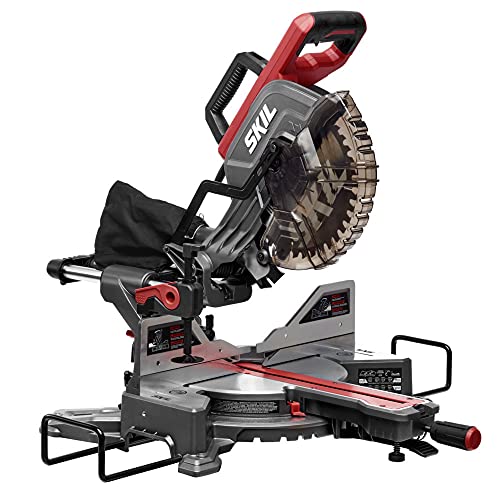 TOP CHOICEBest budget pickSKIL 10" Dual Bevel Sliding Compound Miter Saw MS6305-00View on Amazon
- 3
 TOP CHOICEBest for small workshopsSKIL 10 Amp 7-1/4" Single Bevel Miter Saw MS6306-00View on Amazon
- 4
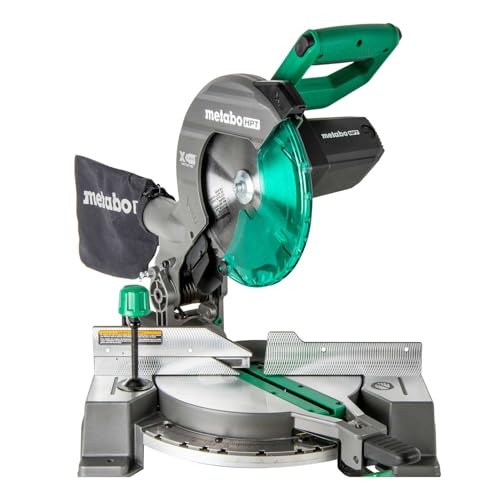 Best for trim and finish workMetabo HPT C10FCG2 10-Inch Compound Miter SawView on Amazon
- 5
 Best for mixed-material cuttingMarvtool 10-inch Compound Miter SawView on Amazon
- 6
 Best for jobsite durabilityDEWALT DWS713 10-Inch Single Bevel Compound Miter SawView on Amazon
- 7
 Best for precision repeat cutsMakita LS1040 10" Compound Miter SawView on Amazon
Our Top Picks
| Product | Best for | Key feature |
|---|---|---|
| DEWALT DWS780 12-inch Double Bevel Miter Saw | Wide crosscuts and bevel work | Double bevel head and built-in shadow light |
| SKIL 10″ Dual Bevel Sliding Compound Miter Saw MS6305-00 | Budget-conscious buyers who need bevels | Dual bevel with sliding capacity |
| SKIL 10 Amp 7-1/4″ Single Bevel Miter Saw MS6306-00 | Small workshops and light framing | Compact rail system with LED shadow line |
| Metabo HPT C10FCG2 10-Inch Compound Miter Saw | Trim, molding and finish carpentry | Precision angle cuts with positive stops |
| Marvtool 10-inch Compound Miter Saw | Cutting wood, plastic and laminate | 36T blade and extension table |
| DEWALT DWS713 10-Inch Single Bevel Compound Miter Saw | Daily jobsite use | Established 10-inch platform with a 15-amp motor |
| Makita LS1040 10″ Compound Miter Saw | Repeatable, accurate cuts | Dual-post pivot arm and nine positive stops |
DEWALT DWS780 12-inch Double Bevel Miter Saw
DEWALT 12-inch Double Bevel Miter Saw (DWS780) | XPS LED Shadow Light System, Includes Blade Wrench, Material Clamp and Dust Bag
Best for: Wide crosscuts and bevel work
This saw suits people who regularly cut wide stock such as deck boards, wide trim or sheet-goods trim, and who want bevels to go in both directions without flipping the workpiece. It is a common choice for framing and finish carpentry when a 10-inch saw feels limiting.
Key specs
- 12-inch blade size
- Double bevel head
- Integrated XPS LED shadow light
Pros
- Double bevel head reduces repositioning on bevel cuts
- LED shadow light helps line up cut marks
- Includes blade wrench, material clamp and dust bag
Cons
- Heavier and bulkier than 10-inch saws
- Needs more bench or stand space
Bottom line: Pick this if you regularly cut wider boards and want double bevels in a full-size saw. Hobbyists with small benches may find it more than they need.
View on AmazonSKIL 10″ Dual Bevel Sliding Compound Miter Saw MS6305-00
SKIL 10" Dual Bevel Sliding Compound Miter Saw-MS6305-00
Best for: Budget-conscious buyers who need bevels
Buyers who want bevel capability and a sliding arm without moving into premium pricing tiers tend to look at this model. It fits general home projects such as shelving, fencing and trim.
Key specs
- 10-inch blade size
- Dual bevel
- Sliding compound design
Pros
- Dual bevel capability at a budget-friendly tier
- Sliding design extends crosscut capacity
- Suits general home projects
Cons
- Owners often mention that fine-tuning alignment takes patience
- Build feel is lighter than professional-grade saws
Bottom line: A sensible choice for homeowners who need bevels and sliding capacity on a limited budget. Frequent professional use may call for a sturdier saw.
View on AmazonSKIL 10 Amp 7-1/4″ Single Bevel Miter Saw MS6306-00
SKIL 10 Amp 7-1/4" Single Bevel Miter Saw with Compact Rail System & LED Shadow Line (Stand SRS0001 Sold Separately)-MS6306-00
Best for: Small workshops and light framing
This compact saw works well in tight garages or on a small benchtop. The 7-1/4-inch blade size makes it a fit for lighter stock and quick cutoffs rather than heavy production work.
Key specs
- 7-1/4-inch blade size
- 10-amp motor
- Single bevel with compact rail system
- LED shadow line
Pros
- Compact footprint for small spaces
- LED shadow line aids marking
- Lighter weight for moving between spots
Cons
- Smaller blade limits maximum cut depth and width
- Stand is sold separately
Bottom line: A good fit for small shops and occasional users cutting lighter material. Anyone planning wide boards should look at a 10- or 12-inch model.
View on AmazonMetabo HPT C10FCG2 10-Inch Compound Miter Saw
Metabo HPT 10-Inch Compound Miter Saw, 15-Amp, Single Bevel, C10FCG2 | 24T TCT Blade Included, Precision Angle Cuts, Positive Stops, Large Work Table, Lightweight Portable Design
Best for: Trim, molding and finish carpentry
Finish carpenters and remodelers who cut crown molding, baseboard and casing tend to value accuracy and a stable table. This saw is positioned for precision angle work.
Key specs
- 10-inch blade size
- 15-amp motor
- Single bevel
- 24T TCT blade included
- Positive stops and large work table
Pros
- Positive stops support repeatable angle cuts
- Large work table helps with long trim pieces
- Lightweight for a 10-inch saw
Cons
- 24-tooth blade is better for general cutting than ultra-fine finish cuts
- Single bevel means flipping stock for opposing bevels
Bottom line: Pick this for trim and molding work where angle repeatability matters most. Buyers who need clean finish cuts on hardwood should plan to swap in a finer blade.
View on AmazonMarvtool 10-inch Compound Miter Saw
Marvtool 10-inch Compound Miter Saw, 5000RPM, 15 Amp, Single Bevel 0-45° with Extension Table, 36T Blade, Power Saw for Metal, Plastic, Wood, Laminates
Best for: Cutting wood, plastic and laminate
This saw targets users who switch between wood, plastic and laminate flooring and want an extension table for supporting longer stock.
Key specs
- 10-inch blade size
- 15-amp motor
- Single bevel from 0 to 45 degrees
- 36T blade included
- Extension table
Pros
- 36-tooth blade suits a range of materials
- Extension table supports long boards
- Covers 0 to 45 degree bevel range
Cons
- Brand has a smaller footprint in the market than major names, so parts and service may be harder to find
- Owners sometimes report that the bevel lock needs a firm hand
Bottom line: A reasonable pick for multi-material cutting on a budget. Buyers who value an established service network may prefer a larger brand.
View on AmazonDEWALT DWS713 10-Inch Single Bevel Compound Miter Saw
DEWALT Miter Saw, Single Bevel, Compound, 10-Inch, 15-Amp (DWS713)
Best for: Daily jobsite use
Contractors and serious DIYers who want a familiar 10-inch platform with broad parts and accessory support often shortlist this model.
Key specs
- 10-inch blade size
- 15-amp motor
- Single bevel
Pros
- Established platform with wide accessory support
- Robust 15-amp motor for daily cutting
- Easy to find replacement blades and parts
Cons
- Single bevel means flipping the stock for opposing bevels
- Non-sliding design limits crosscut width
Bottom line: A dependable choice for jobsite work where crosscut width is not the main limit. Those who need wide cuts should consider a sliding or 12-inch model.
View on AmazonMakita LS1040 10″ Compound Miter Saw
Makita LS1040 10" Compound Miter Saw | 15A direct-drive motor, soft start, 4600 RPM, dual-post pivot arm, nine positive stops, precision-machined base
Best for: Repeatable, accurate cuts
Users who make many identical cuts, such as framing studs or cabinet parts, benefit from the stop system and pivot design on this model.
Key specs
- 10-inch blade size
- 15-amp direct-drive motor
- Soft start
- 4600 RPM
- Dual-post pivot arm
- Nine positive stops
Pros
- Nine positive stops speed up common angle cuts
- Soft start reduces initial kickback on startup
- Precision-machined base supports consistent results
Cons
- Listing shows an older model line, so confirm current availability
- Non-sliding, so crosscut width is limited to the blade
Bottom line: A strong option for repeat-cut accuracy at a 10-inch size. Buyers who need wide crosscuts should look at sliding models instead.
View on AmazonBuying Guide
Blade size and cut capacity
Blade diameter sets the maximum cut depth and, on non-sliding saws, the maximum width. A 10-inch blade is the most common size for general work, while 12-inch blades handle wider boards such as 2×12 lumber and deck boards. Check the stated capacity for the angle you plan to cut, because capacity shrinks on bevel and miter cuts.
Good picks for this: DEWALT DWS780 12-inch Double Bevel Miter Saw, SKIL 10″ Dual Bevel Sliding Compound Miter Saw MS6305-00
Bevel and miter range
Compound saws tilt the blade for bevels and swing it for miters. Single bevel saws tilt in one direction, so opposing bevels require flipping the workpiece. Double bevel saws tilt both ways, which simplifies picture-frame and crown work. Confirm the miter range you need, since many saws offer a standard range of 0 to 45 degrees on each side.
Good picks for this: DEWALT DWS780 12-inch Double Bevel Miter Saw, Makita LS1040 10″ Compound Miter Saw
Sliding versus non-sliding design
A sliding arm extends the blade’s reach so you can cut wider boards without moving the workpiece. Non-sliding saws are typically lighter, cheaper to maintain and easier to store. If you rarely cut boards wider than about 6 inches, a non-sliding saw may serve you well. Wider work favors a sliding design.
Good picks for this: SKIL 10″ Dual Bevel Sliding Compound Miter Saw MS6305-00, DEWALT DWS713 10-Inch Single Bevel Compound Miter Saw
Accuracy features
Positive stops are detents at common angles such as 0, 15, 22.5 and 45 degrees. They help you reach common angles quickly, though it is still worth checking the actual angle with a square. A sturdy fence and a stable table reduce drift, and a laser or LED shadow line can help align marks. Owners often report that accuracy drifts over time if the fence and table are not checked periodically.
Good picks for this: Makita LS1040 10″ Compound Miter Saw, Metabo HPT C10FCG2 10-Inch Compound Miter Saw
Motor and power
Most 10-inch compound saws use motors in the 15-amp range, which is common for wood framing and trim. Lower-amp models such as 10-amp units suit lighter, occasional tasks. Soft-start features reduce the initial jolt when the blade spins up, which many users find more comfortable on long sessions.
Good picks for this: Marvtool 10-inch Compound Miter Saw, SKIL 10 Amp 7-1/4″ Single Bevel Miter Saw MS6306-00
Size, weight and portability
A saw that you will move between job sites should weigh less and have a manageable case or handle. Full-size 12-inch saws are heavier and often need a stand. Consider where the saw will live: a bench in a small garage calls for a compact footprint, while a job site may favor a saw that folds or travels easily.
Good picks for this: SKIL 10 Amp 7-1/4″ Single Bevel Miter Saw MS6306-00, Metabo HPT C10FCG2 10-Inch Compound Miter Saw
Durability and care
Keep the blade sharp, the table clean and the pivot mechanism free of sawdust. Check that the blade guard moves freely and returns on its own. Owners often report that regular cleaning and periodic recalibration of the miter and bevel stops extend a saw’s useful accuracy. Replace worn or chipped blades promptly to protect both cut quality and safety.
Good picks for this: DEWALT DWS713 10-Inch Single Bevel Compound Miter Saw, Makita LS1040 10″ Compound Miter Saw
FAQ
What is the difference between a compound and a sliding miter saw?
A compound miter saw tilts the blade for bevel cuts and swings it for miter cuts. A sliding compound miter saw adds rails that let the blade move forward and back, which extends crosscut width beyond the blade’s reach.
Is a 10-inch or 12-inch saw better?
A 10-inch saw is lighter and handles most framing, trim and general work. A 12-inch saw cuts wider boards in one pass. Choose based on the widest material you cut regularly.
Do I need a double bevel saw?
A double bevel saw helps when you make many opposing bevel cuts, such as crown molding or picture frames. If your bevel cuts go in one direction, a single bevel saw is usually enough.
What blade should I use for fine trim?
Higher tooth-count blades generally produce cleaner crosscuts on finish wood, while lower tooth-count blades cut faster on framing lumber. Manufacturers typically recommend matching the blade to the material and the cut quality you need.
How do I check my miter saw for accuracy?
Use a reliable square to check the blade against the fence at 90 degrees, then test a few common angles with a test cut. Adjust the stops according to the owner’s manual if the angles are off.
Can a miter saw cut metal?
Only with a blade rated for metal and a suitable speed. Many people use dedicated abrasive or metal-cutting blades on miter saws, but cutting metal creates sparks and debris. Follow the manufacturer’s guidance and wear proper eye and hearing protection.
Should I buy a stand for my miter saw?
A stand improves stability and gives you outfeed support for long boards. Stands are often sold separately, so factor that into your plan. Consult the saw’s manual for the recommended setup and mounting method.
Conclusion
For most buyers, the best compound miter saw depends on the widest board you cut and whether you need bevels. The DEWALT DWS780 suits buyers who need wide cuts and double bevels, while the SKIL dual bevel sliding model fits a tighter budget. The SKIL 7-1/4-inch model works in small shops, and the Metabo HPT is a good match for trim work. The Marvtool suits mixed materials, the DEWALT DWS713 fits daily jobsite use, and the Makita LS1040 favors repeatable accuracy. Match the saw to your most common cut, check the specifications before buying, and plan for blades and maintenance as part of ownership.
Sources
- Workplace power tool safety guidance, including guarding and eye and hearing protection (osha.gov)
- Consumer product safety information on power saw hazards and recalls (cpsc.gov)
- Measurement and calibration resources for checking angles and squareness (nist.gov)
Before you buy: helpful guides
- Milwaukee Sliding Compound Miter Saw: Setup, Cuts and Common Pitfalls (2026)
- Bosch Compound Miter Saw Gcm12sd: Setup, Cutting Steps and Safety Tips (2026)
- How to Change Blade on DeWalt Compound Miter Saw: Step-by-Step Guide (2026)
- Compound Miter Saw Craftsman: How to Set Up and Make Accurate Cuts (2026)
Related reading
- Top 5 Ryobi Compound Sliding Miter Saws Compared for Home Use
- Top 3 DeWalt Compound Miter Saw 12 Inch Picks Compared for Home and Job Sites
- Slide Compound Miter Saw Compared: 7 Best Picks for Every Need (2026)
About Caleb Morgan
Caleb Morgan is part of our editorial team and reviews and edits our power tools guides, checking product details against manufacturer specifications and owner feedback.