By Caleb Morgan
Updated November 2026
Choosing a steel cutting blade for miter saw work comes down to three things: whether the blade is rated for ferrous metal, whether its arbor and diameter match your saw, and whether its tooth count suits thin stock or heavier sections. The picks below are ranked by how well they fit those criteria, based on manufacturer specifications, brand reputation and common owner feedback. We have not tested these blades ourselves.
Our top picks at a glance
- 1
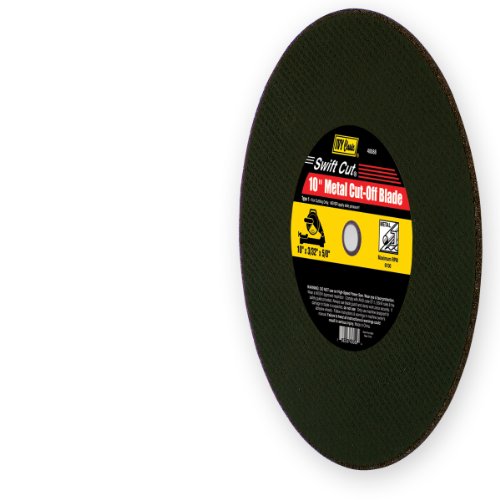 TOP CHOICEBest overallIVY Classic 40088 Swift Cut 10-Inch x 3/32-Inch x 5/8-Inch Arbor, MetaView on Amazon
- 2
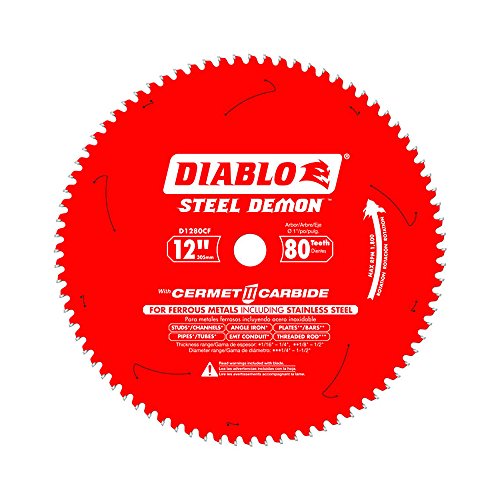 TOP CHOICEBest for thin-wall tubingDiablo Steel Demon Cermet II Saw Blade for Thin Metal – 12" Diameter | 80 TCG TeethView on Amazon
- 3
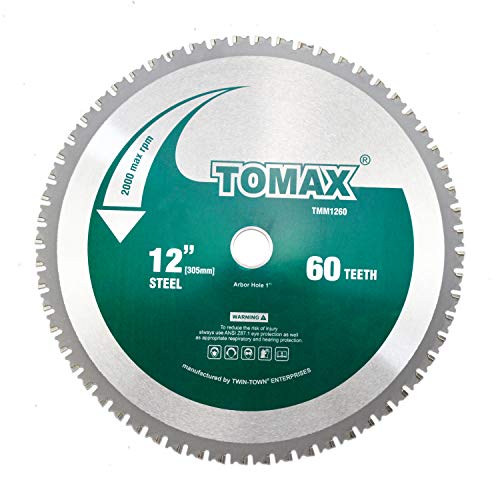 TOP CHOICEBest for general shop useTOMAX 12 Inch 60 Tooth Industrial Level Steel and Ferrous Metal Saw BlView on Amazon
- 4
 Best budget pickTWIN-TOWN 12-Inch 60 Teeth Steel and Ferrous Metal Cermet Saw Blade with 1-Inch ArborView on Amazon
- 5
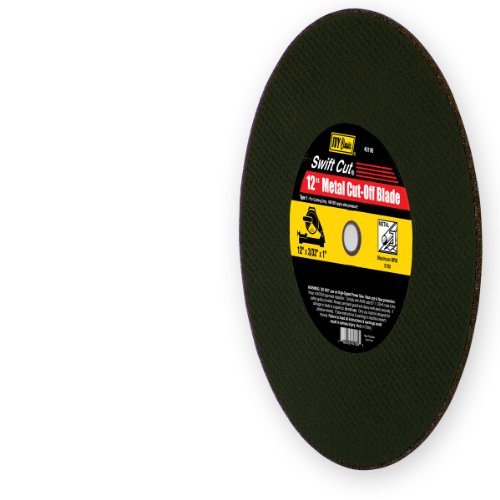 Best for larger arbor fitIVY Classic 40106 Swift Cut 12-Inch x 3/32-Inch x 1-Inch Arbor, MetalView on Amazon
- 6
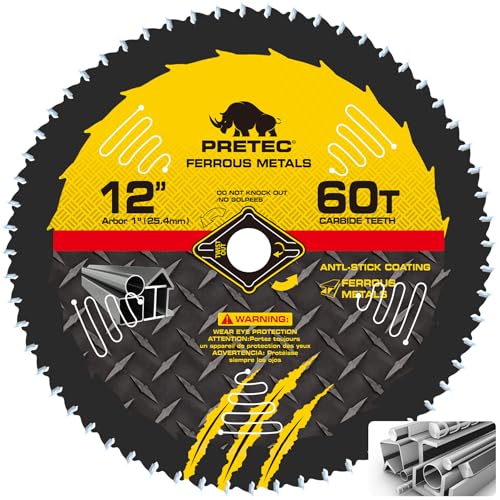 Best for low-RPM saws12" Metal Cutting Blade for Chop Saw, Carbide-Tipped TCT Blade, 60-TooView on Amazon
Our Top Picks
| Product | Best for | Key feature |
|---|---|---|
| IVY Classic 40088 Swift Cut 10-Inch | Overall metal cutting | Abrasive cut-off design |
| Diablo Steel Demon Cermet II 12-Inch | Thin metal and tubing | 80 TCG teeth |
| TOMAX 12 Inch 60 Tooth Industrial Level | General shop steel | 60 teeth, 1-inch arbor |
| TWIN-TOWN 12-Inch 60 Teeth Cermet | Budget-conscious buyers | Cermet tip, 60 teeth |
| IVY Classic 40106 Swift Cut 12-Inch | Larger diameter saws | 1-inch arbor, 12-inch disc |
| 12″ Carbide-Tipped TCT Metal Cutting Blade | Low-RPM metal saws | Teflon anti-stick coating |
IVY Classic 40088 Swift Cut 10-Inch x 3/32-Inch x 5/8-Inch Arbor, Metal Cut-Off Blade for Chop Saws, 1-Piece
IVY Classic 40088 Swift Cut 10-Inch x 3/32-Inch x 5/8-Inch Arbor, Metal Cut-Off Blade for Chop Saws, 1-Piece
Best for: Overall metal cutting on chop and miter saws
This is a thin abrasive-style cut-off wheel suited to owners who cut steel bar, angle and conduit on a saw that accepts a 10-inch blade. Manufacturers specify its use on ferrous metal.
Pros
- Clean, fast cuts on mild steel stock
- Simple one-piece construction
Cons
- Abrasive wheels wear faster than toothed blades
Diablo Steel Demon Cermet II Saw Blade for Thin Metal – 12″ Diameter | 80 TCG Teeth
Diablo Steel Demon Cermet II Saw Blade for Thin Metal – 12" Diameter | 80 TCG Teeth, 1" Arbor, .083" Kerf, 0° Hook Angle, .0.71" Plate, 1800 Max RPM – D1280CF
Best for: Thin-wall tubing and sheet-style steel
Owners cutting electrical conduit, thin tubing or light gauge steel often look for a high tooth count, and this 80-tooth cermet design is built for that cut quality.
Pros
- 80 teeth reduce chatter on thin stock
- 0.083-inch kerf for a narrow cut
Cons
- Slower on thick sections
TOMAX 12 Inch 60 Tooth Industrial Level Steel and Ferrous Metal Saw Blade with 1 Inch Arbor
TOMAX 12 Inch 60 Tooth Industrial Level Steel and Ferrous Metal Saw Blade with 1 Inch Arbor
Best for: General shop steel of mixed thickness
A 60-tooth, 12-inch blade with a 1-inch arbor suits shops that cut a range of steel sizes and want one blade for most jobs.
Pros
- Versatile tooth count for mixed stock
- Standard 1-inch arbor fits many saws
Cons
- Owners report it runs warm on long cuts
TWIN-TOWN 12-Inch 60 Teeth Steel and Ferrous Metal Cermet Saw Blade with 1-Inch Arbor
TWIN-TOWN 12-Inch 60 Teeth Steel and Ferrous Metal Cermet Saw Blade with 1-Inch Arbor
Best for: Budget-conscious buyers cutting steel occasionally
This option suits hobbyists and light-duty users who need a 12-inch cermet blade for steel without a premium price tier.
Pros
- Cermet tip for steel and ferrous metal
- Same 60-tooth count as pricier options
Cons
- Brand support is less established
IVY Classic 40106 Swift Cut 12-Inch x 3/32-Inch x 1-Inch Arbor, Metal Cut-Off Blade for Chop Saws, 1-Piece
IVY Classic 40106 Swift Cut 12-Inch x 3/32-Inch x 1-Inch Arbor, Metal Cut-Off Blade for Chop Saws, 1-Piece
Best for: Larger-diameter saws that take a 12-inch disc
Users with a 12-inch chop saw who want an abrasive cut-off wheel with a 1-inch arbor will find this a direct match for the same product line.
Pros
- 1-inch arbor suits many chop saws
- Consistent cut-off performance on steel
Cons
- Abrasive wear limits blade life
Buying Guide
Blade Material and Ferrous Metal Rating
Make sure the blade is labeled for steel and other ferrous metals. Cermet and carbide-tipped blades are designed to cut mild steel, angle iron and similar stock, while the wrong material can dull quickly or overheat. Check the packaging or product details before buying.
Diameter and Arbor Size
The blade diameter must match what your miter saw is designed to accept, and the arbor hole must fit your saw’s spindle. Most chop saws use a 10-inch or 12-inch blade with a 1-inch arbor, but some models differ, so confirm the specifications in your saw’s manual before purchasing.
Tooth Count and Material Thickness
Higher tooth counts generally produce smoother, cleaner cuts on thin sheet and tube stock, while lower tooth counts suit thicker sections. A 60-tooth blade is a common middle ground for general-purpose metal cutting on a miter saw.
Kerf Width and Blade Thickness
Kerf is the width of the cut the blade removes. Thinner blades remove less material and can cut more efficiently, but they may flex more on heavy stock. Choose a kerf and blade gauge that suits both your saw’s power and the metal you cut most often.
Maximum RPM Rating
Every blade carries a maximum safe speed, and it must be equal to or higher than your saw’s rotational speed. Running a blade above its rating creates a serious safety hazard, so always compare the blade’s rating against your saw before you start cutting.
FAQ
Can I use a steel cutting blade on a regular wood miter saw?
No, metal cutting blades are built with different tooth geometry and materials than wood blades, and they are meant for low-speed metal cutting saws. Using one on a standard wood saw can be unsafe and may damage the blade or the saw. Use a blade designed for your specific saw type.
What is the difference between cermet and carbide-tipped blades?
Cermet blades combine ceramic and metal materials to offer longer life and cleaner cuts on steel, while carbide-tipped blades use hard carbide teeth for durability on tougher stock. Both are suitable for ferrous metal when rated for it. Your choice often depends on the thickness and type of metal you cut most.
Should I use a cutting lubricant when cutting steel?
Many users apply a cutting fluid or lubricant to reduce heat and friction, which can extend blade life and improve cut quality. Always follow the manufacturer’s guidance for your blade and saw. Wear proper eye and hand protection whenever cutting metal.
How do I know when my metal cutting blade needs replacing?
Signs of a worn blade include slow or rough cuts, excessive burning or discoloration, visible chipped or missing teeth, and noticeable wobble during operation. Replace the blade promptly when you see these issues to protect both your work and your safety.
Is a 10-inch or 12-inch blade better for steel cutting?
Neither size is inherently better; the right choice depends on your saw. A 10-inch blade fits smaller chop saws, while a 12-inch blade is used on larger saws and may handle bigger cuts. Always match the diameter to your saw’s rated capacity.
Conclusion
If you have a chop saw that accepts a 10-inch blade and you cut mostly thinner stock, a smaller-diameter option from the list above is a practical match. For larger saws and heavier steel work, the 12-inch blades with a 1-inch arbor are the better fit.
Whichever you choose, confirm the arbor, diameter and maximum RPM against your saw before cutting, and always wear proper safety gear.
Related reading
- Steel Blade for Miter Saw: How to Choose and Use One Safely (2026)
- Saw Blades: Tooth Count, Kerf and Grind for Circular, Miter and Table Saws
- Ryobi Sliding Miter Saw: Setup, Cutting Tips and Buying Guide (2026)
- Miter Saw to Cut Metal: Blade, Setup and Safety Steps That Work
About Caleb Morgan
Caleb Morgan is part of our editorial team and reviews and edits our power tools guides, checking product details against manufacturer specifications and owner feedback.