By Caleb Morgan
Updated November 2026
Shoppers looking for a ridgid compound sliding miter saw usually want one thing: a saw that makes accurate crosscuts, miters and bevels without eating up the garage floor. This list is built around five selection criteria: cut capacity and blade size, sliding versus fixed-rail design, bevel and miter range, the quality of the included fence and table, and the general pattern of owner feedback about accuracy and durability. No product here was tested in our shop. Each pick reflects specifications published by the manufacturer and recurring themes in owner reports.
Our top picks at a glance
- 1
 TOP CHOICEBest overallRidgid R4210 10 Inch Dual Bevel Sliding Miter Saw with 70° Miter CapacityView on Amazon
- 2
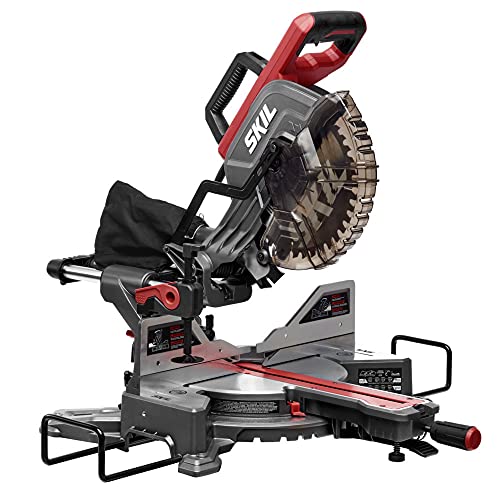 TOP CHOICEBest for small kitchensSKIL 10" Dual Bevel Sliding Compound Miter Saw-MS6305-00View on Amazon
- 3
 TOP CHOICEBest budget pickSKIL 10 Amp 7-1/4" Single Bevel Miter Saw with Compact Rail System & LView on Amazon
- 4
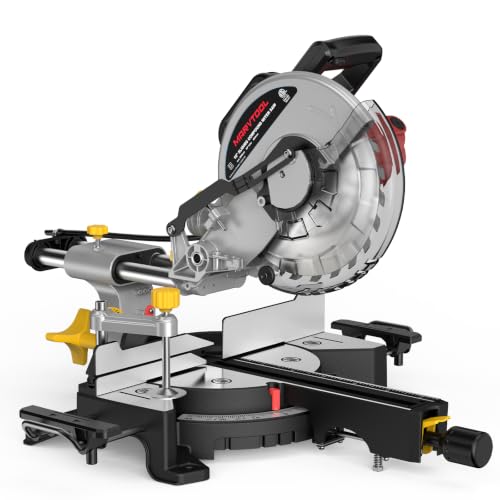 Best for metal and mixed materialsMarvtool 10-inch Sliding Compound Miter Saw, 5000RPM, 15 Amp, Single BView on Amazon
- 5
 Best for wide crosscutsDewalt DWS779 12" Sliding Compound Miter SawView on Amazon
- 6
 Best for jobsite lighting and laser guidanceMakita LS1219L 12" Dual-Bevel Sliding Compound Miter Saw with LaserView on Amazon
Our Top Picks
Quick Comparison
| Product | Best for | Key feature |
|---|---|---|
| Ridgid R4210 10 Inch Dual Bevel Sliding Miter Saw | Most general home and garage work | Dual bevel with 70° miter capacity |
| SKIL 10″ Dual Bevel Sliding Compound Miter Saw | Small kitchens and tight workshops | Dual bevel sliding design |
| SKIL 7-1/4″ Single Bevel Miter Saw | Budget-conscious trim work | Compact rail system with LED shadow line |
| Marvtool 10-inch Sliding Compound Miter Saw | Metal, plastic and laminate cutting | 36T blade and extension table |
| DeWalt DWS779 12″ Sliding Compound Miter Saw | Wide boards, baseboard and framing | 12-inch blade capacity for wide crosscuts |
| Makita LS1219L 12″ Dual-Bevel Sliding Compound Miter Saw | Precise layout on jobsites | Built-in laser guide |
Ridgid R4210 10 Inch Dual Bevel Sliding Miter Saw with 70° Miter Capacity
Ridgid R4210 15 Amp 10 Inch Corded Dual Bevel Sliding Miter Saw with 70° Miter Capacity
Best for: Most general home and garage work
This is the most direct match for a buyer who wants a Ridgid-branded sliding saw for everyday projects like trim, shelving, deck boards and picture frames. The dual bevel design lets you tilt the head in either direction, which saves flipping workpieces on compound cuts.
Key specs
- 10-inch blade
- 15 Amp corded motor
- Dual bevel
- Up to 70° miter capacity
Pros
- Dual bevel head reduces repositioning on compound cuts
- Generous miter range suits angled trim and frame corners
- Corded power means no battery planning on long sessions
Cons
- Corded operation limits where you can work without an extension cord
- A 10-inch blade cannot match a 12-inch saw for very wide stock
Bottom line: A strong first choice for homeowners who want a sliding Ridgid saw that handles most household trim and carpentry without unusual demands.
View on AmazonSKIL 10″ Dual Bevel Sliding Compound Miter Saw-MS6305-00
SKIL 10" Dual Bevel Sliding Compound Miter Saw-MS6305-00
Best for: Small kitchens and tight workshops
Buyers with limited bench or wall space often find that a sliding saw with a compact footprint makes more sense than a full-size cabinet saw. This model suits people who need dual bevel capability without a large work zone.
Key specs
- 10-inch blade
- Dual bevel
- Sliding rail design
Pros
- Dual bevel adds flexibility for compound work
- Sliding rails let a 10-inch blade cover a wider crosscut than fixed-rail saws of the same size
- Reasonable footprint for small spaces
Cons
- Fence and table accessories are often reported as basic by owners
- Limited blade capacity compared with 12-inch models
Bottom line: Best for hobbyists and renters who need sliding capacity in a small space and are comfortable with a simpler setup.
View on AmazonSKIL 10 Amp 7-1/4″ Single Bevel Miter Saw with Compact Rail System & LED Shadow Line (Stand SRS0001 Sold Separately)-MS6306-00
SKIL 10 Amp 7-1/4" Single Bevel Miter Saw with Compact Rail System & LED Shadow Line (Stand SRS0001 Sold Separately)-MS6306-00
Best for: Budget-conscious trim work
A smaller blade and single bevel design keep this saw simple and light. It fits buyers doing occasional molding, small craft projects or light framing who do not need a full-size saw.
Key specs
- 7-1/4-inch blade
- 10 Amp motor
- Single bevel
- Compact rail system
- LED shadow line for alignment
Pros
- Compact size is easy to store and move
- LED shadow line helps with cut alignment on small stock
- Good fit for light trim and craft cutting
Cons
- The 7-1/4-inch blade limits depth and width of cut compared with 10- and 12-inch saws
- The stand is sold separately, which adds setup planning
Bottom line: Suits occasional users with light cutting needs who prioritize portability over capacity.
View on AmazonMarvtool 10-inch Sliding Compound Miter Saw, 5000RPM, 15 Amp, Single Bevel 0-45° with Extension Table, 36T Blade
Marvtool 10-inch Sliding Compound Miter Saw, 5000RPM, 15 Amp, Single Bevel 0-45° with Extension Table, 36T Blade, Power Saw for Metal, Plastic, Wood, Laminates
Best for: Metal, plastic and laminate cutting
Buyers who cut more than wood, including aluminum trim, plastic profiles and laminate flooring, may want a saw listed with a 36-tooth blade and an extension table for supporting longer stock.
Key specs
- 10-inch blade
- 15 Amp motor
- 5000 RPM
- Single bevel, 0–45°
- Extension table included
- 36-tooth blade included
Pros
- Extension table helps support long boards and sheet-adjacent stock
- Listed as suitable for multiple materials, not only wood
- Single bevel design is straightforward to set
Cons
- Single bevel means flipping stock for opposite-direction compound cuts
- Brand reputation and long-term parts availability are less established than major tool brands
Bottom line: A practical choice for DIYers working across wood, plastic and metal who accept the trade-offs of a lesser-known brand.
View on AmazonDewalt DWS779 12″ Sliding Compound Miter Saw
Dewalt DWS779 12" Sliding Compound Miter Saw
Best for: Wide crosscuts
Framers, deck builders and anyone regularly cutting wide boards benefit from a 12-inch blade. This DeWalt model is aimed at buyers who need capacity over compactness.
Key specs
- 12-inch blade
- Sliding rail design
- Compound cutting capability
Pros
- 12-inch capacity handles wide boards in a single pass
- DeWalt has a broad reputation in professional and jobsite tools
- Sliding design suits wide stock and long rips
Cons
- Larger footprint than 10-inch saws
- Heavier to move between job sites
Bottom line: The right pick for framers and trim carpenters who cut wide stock daily and have space for a bigger saw.
View on AmazonMakita LS1219L 12″ Dual-Bevel Sliding Compound Miter Saw with Laser
Makita LS1219L 12" Dual-Bevel Sliding Compound Miter Saw with Laser
Best for: Precise layout on jobsites
A laser guide and dual bevel head give this 12-inch Makita model a focus on accuracy and repeatable setups, which suits finish carpenters and anyone marking many identical cuts.
Key specs
- 12-inch blade
- Dual bevel
- Sliding rail design
- Built-in laser guide
Pros
- Laser guide speeds up alignment on marked cuts
- Dual bevel handles compound angles without repositioning the workpiece
- 12-inch capacity covers wide trim and framing stock
Cons
- Laser guides can lose visibility in bright sunlight outdoors
- Premium features carry a higher overall cost than basic sliding saws
Bottom line: A strong option for finish carpenters and serious DIYers who value guided accuracy and a wider cut capacity.
View on AmazonBuying Guide
Blade Size and Cut Capacity
Blade diameter sets the maximum depth of cut and, on sliding saws, the maximum width. A 10-inch blade handles most trim, shelving and deck boards. A 12-inch blade gives more room for wide boards like 2x12s and baseboard stacks. Check the manufacturer’s stated crosscut capacity at 0° and 45° miter, not just the blade size.
Good picks for this: DeWalt DWS779 12″ Sliding Compound Miter Saw, Ridgid R4210 10 Inch Dual Bevel Sliding Miter Saw
Sliding Versus Fixed Rail Design
A sliding saw lets the blade travel forward and back on rails, which increases crosscut width. A fixed-rail saw is more compact but limits width to the blade’s reach. If you regularly cut boards wider than about 8 inches, sliding rails are worth prioritizing.
Good picks for this: SKIL 10″ Dual Bevel Sliding Compound Miter Saw, Makita LS1219L 12″ Dual-Bevel Sliding Compound Miter Saw with Laser
Single Bevel Versus Dual Bevel
A single bevel head tilts in one direction, so compound cuts going the other way require flipping the workpiece. A dual bevel head tilts both ways and saves time on picture frames, crown molding and angled trim. Dual bevel saws generally cost more to build, so match the feature to how often you cut compound angles.
Good picks for this: Ridgid R4210 10 Inch Dual Bevel Sliding Miter Saw, Makita LS1219L 12″ Dual-Bevel Sliding Compound Miter Saw with Laser
Miter and Bevel Range
Check the stated miter range, typically reported as 0° to 45° left and right on most sliding saws, and whether the miter is a detent-style stop at common angles like 22.5° and 45°. Wider stated ranges can matter for specialty work. Verify the range in the listing before buying.
Good picks for this: Ridgid R4210 10 Inch Dual Bevel Sliding Miter Saw, Marvtool 10-inch Sliding Compound Miter Saw
Table, Fence and Support
Owners often mention the fence and table as the difference between a saw that cuts and a saw that cuts accurately. Look for a fence that is square to the blade at 0° and a table wide enough to support the stock you cut. Extension tables help with long boards and reduce tip-over risk.
Good picks for this: Marvtool 10-inch Sliding Compound Miter Saw, DeWalt DWS779 12″ Sliding Compound Miter Saw
Power Source and Portability
Corded saws deliver consistent power without battery management, which suits shop and garage use. Portability matters more on job sites where you move the saw between rooms or vehicles. Weigh the saw and plan for a stand or cart if you work in multiple locations.
Good picks for this: Ridgid R4210 10 Inch Dual Bevel Sliding Miter Saw, SKIL 10 Amp 7-1/4″ Single Bevel Miter Saw
Maintenance and Blade Care
Keep the blade sharp, clean resin from the teeth, and check that the blade guard moves freely. Confirm the arbor lock and blade change procedure in the manual before swapping blades. Lubricate the slide rails as the manufacturer recommends so the head moves smoothly and stays square.
Good picks for this: DeWalt DWS779 12″ Sliding Compound Miter Saw, Makita LS1219L 12″ Dual-Bevel Sliding Compound Miter Saw with Laser
FAQ
Is a ridgid compound sliding miter saw good for a beginner?
Yes, for most home projects. A 10-inch dual bevel model like the Ridgid R4210 is a sensible starting point because it handles common trim, shelving and deck work. Beginners should still read the manual, learn the blade guard and always clamp or hold workpieces firmly.
What blade size should I choose?
A 10-inch blade is enough for most household cutting. Choose a 12-inch blade if you regularly cut wide boards or need greater crosscut width. Remember that larger blades add weight and footprint.
Do I need a sliding saw or is a fixed saw enough?
If your boards are narrow, a fixed-rail saw works fine. If you cut wide stock or long panels, sliding rails give you the extra width without repositioning the workpiece.
What does dual bevel mean?
Dual bevel means the blade head tilts both left and right. This lets you make compound cuts in either direction without flipping the board, which saves time on angled trim and frames.
Can a miter saw cut metal or plastic?
Some models are listed for multiple materials, and blades are sold for metal and plastic. Use a blade rated for the material, follow the manufacturer’s speed and safety guidance, and wear eye and hearing protection. For metal-heavy work, consult a professional about the right tool.
How do I keep my miter saw accurate?
Check that the fence is square to the blade at 0° and that the bevel and miter stops read true. Recalibrate when the saw is moved or after blade changes, following the manual’s instructions. Keep the rails clean and lubricated as recommended.
Conclusion
For most home and garage users, the Ridgid R4210 is the most straightforward starting point among these six. Buyers in small spaces should look at the SKIL 10-inch dual bevel model, while those on a tighter budget may consider the smaller SKIL 7-1/4-inch saw for light trim. For wide boards and framing, the DeWalt DWS779 and Makita LS1219L are the better fit, with the Makita adding laser guidance. The Marvtool model is worth a look if you cut metal and plastic alongside wood. Compare blade capacity, bevel style and fence quality against your actual projects before deciding.
Sources
- Workplace power tool and guarding requirements that apply to saw use in shops and job sites (osha.gov)
- Consumer safety guidance on power tool hazards and kickback prevention (cpsc.gov)
- Measurement and calibration standards relevant to checking saw squareness and angle accuracy (nist.gov)
Related reading
- Top 5 Ryobi Compound Sliding Miter Saws Compared for Home Use
- Miter Saw Buying Guide: Size, Sliding and Compound Explained
- Milwaukee Sliding Compound Miter Saw: Setup, Cuts and Common Pitfalls (2026)
- 7 Best Sliding Compound Miter Saws of 2026
- 7 Best 12 in Sliding Compound Miter Saws for Wide Crosscuts (2026)
- 7 Best 10-Inch Sliding Compound Miter Saws for Home and Job Sites (2026)
About Caleb Morgan
Caleb Morgan is part of our editorial team and reviews and edits our power tools guides, checking product details against manufacturer specifications and owner feedback.