Building a tool collection on a budget comes down to three moves: buy the tools you will use often, rent or borrow the big machines you will use rarely, and spend your saved money on good blades, bits and safety gear. This guide walks you through that order so you get the most from your budget without sacrificing quality or safety. You do not need a wall of tools to get real work done.
Start with a Core Kit
Before you buy anything, make a list of the jobs you actually do around the house. A weekend DIYer has different needs than someone renovating a rental property. For most homeowners, a sensible starter kit includes a cordless drill/driver, a circular saw, a random-orbit sander, a level, a tape measure, a hammer and a set of screwdrivers. That small group handles a surprising range of projects, from hanging shelves to building a deck.
Buy the Everyday Tools First
Buy the tools that show up in almost every project first. The drill/driver is the usual starting point because it drives screws, drills holes and works with attachments for mixing or sanding. A circular saw covers most straight cuts in plywood and lumber. A random-orbit sander saves hours compared to hand sanding. Add a level, tape measure and hammer, and you can tackle most beginner projects without a workshop full of equipment. For a detailed starter list organized by project type, see our beginner tool kit checklist for homeowners.
Let Your Projects Drive the List
Your list should reflect your projects, not a magazine spread. If you only do small repairs, a drill/driver, a few hand tools and a good work light might be enough for a long time. If you plan to build furniture, add a jigsaw or track saw later. If you work with metal, a drill with the right bits and an angle grinder will serve you better than a full woodworking setup. Let the job list drive the purchases, and resist buying ahead of your actual needs.
Where to Save and Where to Spend
The biggest mistake in budget tool buying is spending on the tool body and skimping on the parts that touch the work. A mid-range tool with a premium blade or bit will outperform a premium tool with a dull, cheap accessory. The reverse is also true: a budget tool with a sharp, well-made bit can do work that surprises you. Spend where the tool meets the material, and save where the tool just needs to run.
Spend on Blades and Bits
Blades and bits wear out, and worn cutting edges make tools work harder, cut slower and produce rougher results. A sharp blade also reduces the chance of kickback in a circular saw. Buy quality carbide-tipped saw blades, good drill bits and decent screwdriver bits. These consumables cost less than the tool itself, but they directly affect the quality of every cut and hole you make. Keep spares on hand so you are never tempted to keep using a dull edge.
Spend on Safety Gear
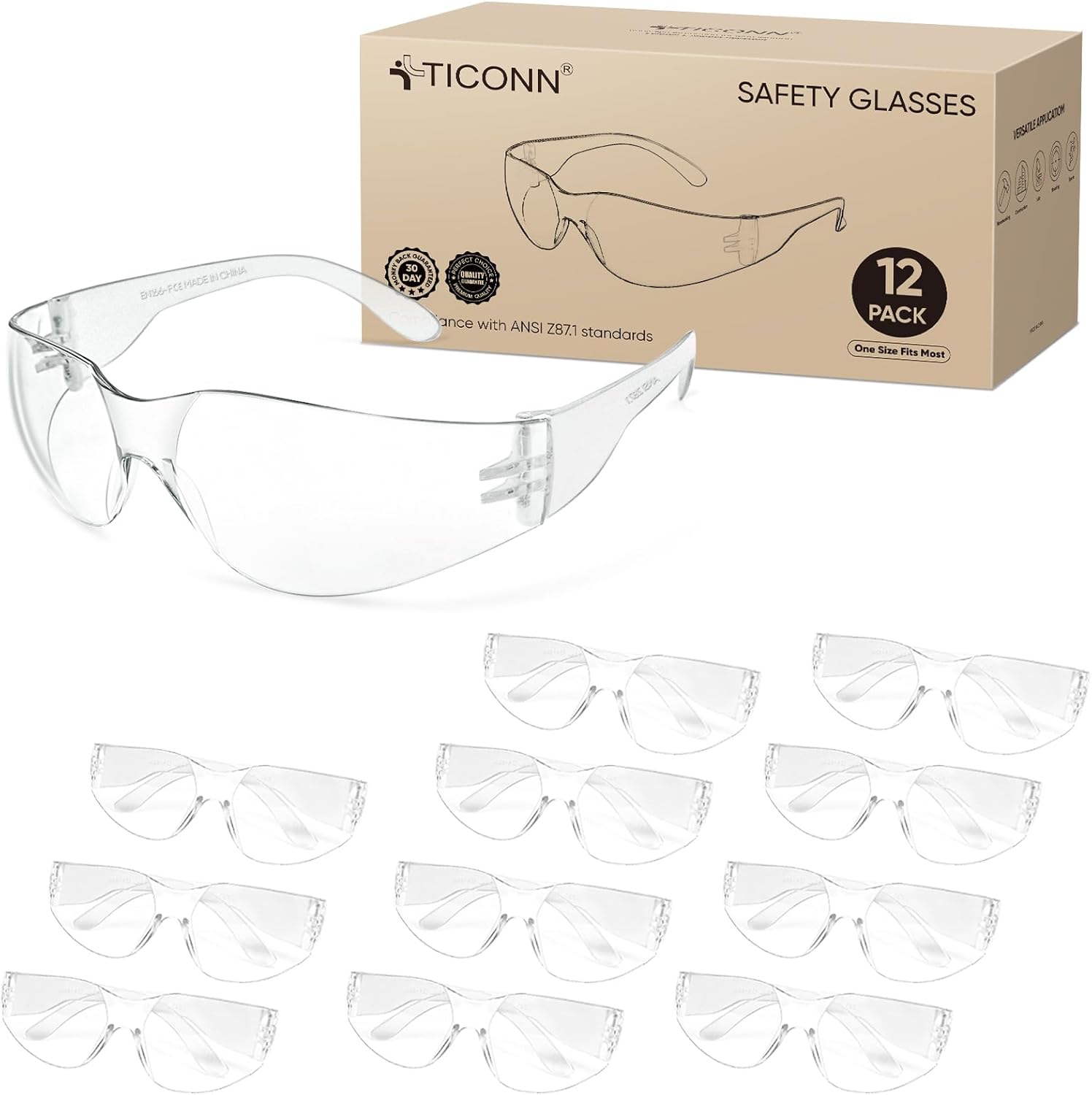
Safety gear is non-negotiable, and it is cheap insurance. You need impact-rated eye protection, hearing protection for loud tools, and a dust mask or respirator for sanding and cutting. Keep guards in place and never remove them. Before changing blades or bits, unplug the tool or remove the battery. Read the manual that came with each tool and follow its instructions. For a full rundown of what to wear and when, see our power tool safety gear guide.
Save on the Tool Body
The tool body itself is where you can save. You do not need the most powerful or most expensive model in the lineup for weekend work. A mid-range tool from a reputable brand will last a long time with reasonable care. What you should not do is buy the cheapest possible tool from an unknown source, especially for something like a circular saw or angle grinder where a failure can be dangerous. Compare a few models, read the spec sheets, and choose the one that fits your work.
Buy Bare Tools on One Battery Platform
Once you choose a cordless tool brand, you are also choosing a battery system. Batteries and chargers make up a large share of the cost, so the smart move is to pick one platform and stay with it. When you buy a second cordless tool, get it as a bare tool — without a battery and charger — and use the batteries you already own.
How Battery Platforms Work
Each manufacturer designs its batteries to fit its own tools, and batteries are not interchangeable across brands. Within one brand, though, a single battery usually fits a whole family of tools: drills, impact drivers, saws, lights, vacuums and more. That is the real value of a platform. The more tools you buy on the same platform, the more your batteries work for you, and the fewer chargers and spare batteries you need to buy.
The Bare Tool Strategy
Bare tools cost less than kits that include batteries and chargers, and they make sense when you already have compatible batteries. Start with one kit that includes at least two batteries and a charger, then buy every additional cordless tool as a bare tool. Over time you will own several batteries, which means less downtime when one runs out. For more on picking a system that will grow with you, see our guide to choosing a cordless tool system.
Rent or Borrow Big Occasional Tools
Some tools are too expensive, too large or too rarely needed to justify buying. Floor sanders, tile saws and rotary hammers are classic examples. A homeowner might use a floor sander once and never again. Renting one for the job costs far less than buying it, and you also avoid storing a heavy machine you will not touch again.
When Renting Makes Sense
Rent when the job is big, the tool is expensive, and you will not use it again soon. Floor sanders, large tile saws, concrete mixers, scaffolding and demolition hammers all fall into this category. Rental centers usually offer a quick orientation, and you should always inspect the machine with the staff before you leave. Ask about the correct blades, bits or accessories, and follow the rental company’s instructions and safety guidance.
Borrowing from Neighbors and Tool Libraries
Before renting, check whether a neighbor, family member or community tool library has what you need. Tool libraries lend tools the way a public library lends books, and they are a great low-cost option for occasional projects. If you borrow from a person, return the tool clean and in good condition, and offer to cover any worn consumables. Borrowing works best for tools that are simple to operate and easy to transport.
What Not to Rent
Do not rent everyday tools. If you reach for a drill or a sander more than a few times a year, owning one is more convenient and cheaper in the long run. Rental fees add up quickly for tools you use regularly, and you will waste time picking up and returning equipment. The buy-versus-rent decision comes down to frequency: the more often you use a tool, the more sense it makes to own it.
| Tool Category | Buy | Rent | Borrow |
|---|---|---|---|
| Everyday tools: drill/driver, sander, circular saw | Yes, buy quality | No, fees add up | Only in a pinch |
| Big occasional tools: floor sander, tile saw | Only if you do this work often | Yes, best option | Good if available |
| Specialty tools: rotary hammer, concrete mixer | Rarely worth it | Yes, for one-off jobs | Great if someone has one |
Inspecting Used Tools
Buying used tools is one of the best ways to stretch a budget, but only if you inspect carefully. A well-maintained used tool can perform like new for far less than the retail price. A neglected one can be a money pit or a safety hazard. Take your time, and do not let a low price rush your judgment.
Check the Basics on Any Tool
Look at the power cord for cuts, cracks or exposed wire on corded tools. Check the plug and the strain relief where the cord enters the housing. Turn the tool on and listen for grinding, rattling or unusual vibration. Test the switch, trigger and any speed controls. Look at the chuck or collet for damage, and check that the blade or bit mounts straight and tight.
Cordless Tool Checks
For cordless tools, ask about the age of the battery and how it was stored. Batteries degrade over time, and a tool with a weak battery is not the bargain it seems. Check the battery contacts for corrosion and the housing for cracks. If the seller allows, test the tool with a fully charged battery. A tool that struggles under load may have worn brushes or a failing motor.
Red Flags
Walk away from tools with signs of overheating, such as discolored plastic or a burnt smell. Avoid tools with stripped screws, cracked housings or missing guards. Missing safety guards are a deal-breaker, and you should never buy a tool that has had its guard removed. Also be wary of tools that look heavily abused, even if they run. Internal damage may not show up until the tool is under load.
Avoiding Cheap Kits Full of Filler
Budget tool kits can look tempting because they include dozens of pieces for a low price. Look closely, and you will often find filler: tiny screwdriver bits, flimsy wrenches, a cheap flashlight and accessories that do not fit your tools well. The tool itself is often the weakest part of the kit.
What Filler Looks Like
Filler is anything included mainly to inflate the piece count. Common examples include a handful of duplicate bits, a small adjustable wrench, a pocket knife and a plastic case that takes up more space than the tools. These items are not useless, but they are not worth paying for. A kit that boasts a huge piece count often contains the same quality as a smaller set, just with more junk.
Count the Real Tools
When comparing kits, ignore the total piece count and count the real tools: drills, drivers, sockets, wrenches and bits you will actually use. A smaller kit with better quality is almost always the smarter buy. The same logic applies to accessory sets. A small set of good drill bits will outperform a large set that dulls quickly and snaps under load.
The Hidden Cost of Cheap Tools
Cheap tools cost more in the long run when they break, strip screws, cut poorly or need replacement. They can also be dangerous. A cheap circular saw with a flimsy base or a poorly guarded blade is not worth the risk. If a tool will be used near your hands, eyes or ears, buy the best quality you can afford.
Common Buying Mistakes
Beyond filler kits, a few recurring mistakes waste money. Buying a second battery platform when one would do, buying a specialty tool for a single job, and skipping quality consumables are the most common. Another is buying a tool before you have a project that needs it. A tool that sits unused is not a bargain, no matter what it cost. Stick to your list, and let each purchase earn its place in your kit.
Care, Cleaning and Upkeep
Tools last longer and work better when you care for them. Wipe down tools after use, especially after cutting or sanding, and remove dust from vents with a brush or compressed air. Keep blades and bits clean and sharp, and replace them when they dull. Store tools in a dry place to prevent rust, and keep batteries at room temperature when possible. Follow the maintenance schedule in each tool’s manual, and check cords, plugs and guards regularly for damage.
FAQ
What tools should I buy first on a budget?
Start with a cordless drill/driver, a circular saw, a sander, a level, a tape measure and a hammer. These cover most basic projects. Add tools only when a specific job requires them.
Is it better to rent or buy a floor sander?
Rent it. A floor sander is expensive, heavy and rarely needed more than once per project. Rental centers provide the machine and guidance, and you avoid storing it.
Are used power tools safe to buy?
They can be, if you inspect them carefully. Check the cord, plug, housing, switch and guards, and test the tool under load. Never buy a tool with a missing guard or signs of overheating.
Why should I buy bare tools?
Bare tools cost less because they come without batteries and chargers. If you already own batteries on the same platform, buying bare tools is the most economical way to expand your cordless collection.
Budget tool buying is about priorities, not penny-pinching. Buy a small core of quality tools, invest in good blades, bits and safety gear, stay on one battery platform, and rent or borrow the big occasional machines. Compare your options with our tools by budget guide, and you will build a kit that handles real work without straining your wallet.