Rust forms when moisture and oxygen reach the bare steel on your tools, and once it starts, it spreads quickly in a damp shop. Preventing rust is mostly a matter of dry storage, quick cleanups, and a thin protective coating, while removing light rust is a simple job with abrasive pads. This guide covers both sides, including humidity control, cast iron table tops, chemical rust removers, and storage habits that keep tools ready for work.
Why Tools Rust
Water can reach tool steel in dozens of invisible ways: humid summer air, condensation on cold metal, sweat from your hands, and damp floors or walls. Even a slightly humid garage can slowly dull the surface of a machined table or a bare hand tool blade. When rust appears, it is a sign that the balance has tipped toward moisture, so the first step is to control water in the air and on your hands.
What You Need
Gather a small set of supplies before you start cleaning or treating rust. Most of these are inexpensive and useful for every future maintenance session.
- Clean lint-free rags or cloths for wiping and buffing
- A mild solvent or degreaser to remove oil, wax, and dirt
- Fine abrasive pads for light surface rust
- A commercial rust remover or rust converter for stubborn corrosion
- A protective coating such as paste wax, boiled linseed oil, or rust-preventive oil
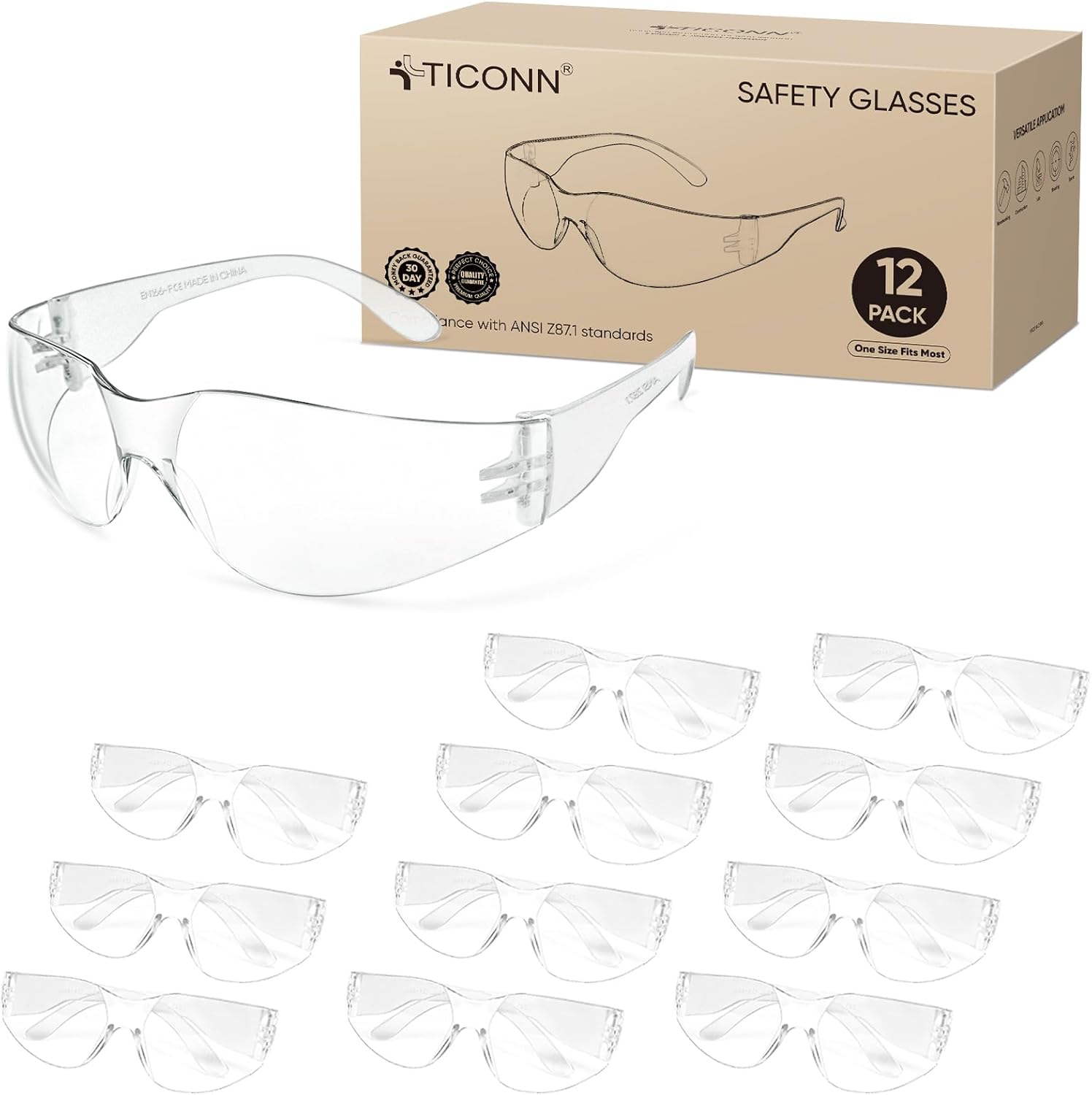
- Disposable gloves, safety glasses, and a dust mask or respirator
- A stiff brush or old toothbrush for corners and embossed lettering
- A dry, well-ventilated workspace away from children and pets
Read the labels of any solvents or rust removers before using them, and keep a separate rag for oily work so you do not transfer moisture back onto clean metal.
Step-by-Step Instructions
Step 1: Clean the Tool First
Remove surface dirt and grease before you touch the rust. A dry rag takes off dust, and a mild solvent handles caked-on oil. Working on a clean surface lets you see the actual rust pattern without grinding dirt into the metal, and it ensures the rust remover can reach the steel underneath.
Step 2: Judge the Severity
Light rust looks like a dusty orange film and feels smooth when you rub a finger across it. Heavy rust has raised scale, pitting, or a rough texture. Use an abrasive pad for light rust, and move to a chemical rust remover for anything the pad cannot shift. On precision surfaces such as saw table tops or planer beds, always try the gentlest method first.
Step 3: Remove Light Rust with Abrasive Pads
Choose a fine abrasive pad rather than a coarse one for visible rust. Rub with light pressure, following the direction of the machined grain on cast iron tables, or using small overlapping circles on other flat surfaces. A few drops of light oil or a dedicated lubricant keeps the pad from digging in and carries away rust particles. Wipe the area often to check progress, and stop as soon as bright metal appears so you do not wear away the original surface. If you use a power buffer or grinder at any point, wear eye, hearing, and respiratory protection, keep all guards in place, review the tool manual, and unplug the tool or remove its battery before changing accessories.
Step 4: Use a Chemical Rust Remover for Stubborn Spots
For rust that abrasive pads cannot remove, a commercial rust remover or converter is the practical next step. Work outdoors or in a well-ventilated area, wear chemical-resistant gloves and safety glasses, and follow the label exactly. Apply the product to the rusted area, let it work for the time stated on the label, then scrub with a stiff brush or a fresh abrasive pad. Rinse or neutralize the surface as the label directs, then dry it completely. Never mix rust removers with each other or with household cleaners, and keep all chemicals out of reach of children and pets.
Step 5: Dry the Tool Completely
After cleaning or chemical treatment, the tool must be bone dry before any coating goes on. Wipe away every drop of moisture with a clean cloth, including seams, screw heads, and the underside of adjustable parts. Leaving the tool in a warm, dry spot for a little while lets the metal reach the surrounding air temperature so condensation does not form later.
Step 6: Apply a Protective Coating
Once the steel is clean and dry, apply a thin film of paste wax, boiled linseed oil, or rust-preventive oil. Rub the coating on with a clean cloth, let it haze briefly, then buff it off. On moving parts such as hinges, cams, and blade mechanisms, a light machine oil reaches tight spaces better than wax. Avoid thick coats that collect sawdust; thin and even is what keeps moisture away. Spread any oil-soaked rags flat in a safe area and let them dry completely before disposal, because curing oils can build enough heat to start a fire.
Step 7: Care for Cast Iron Table Tops
Cast iron table tops rust because they stay bare, large, and close to the air. Clean the surface with a mild solvent first, then remove light rust with a fine abrasive pad lubricated with a few drops of oil, working in the machined direction. Wipe off all gray residue and dry the surface, then apply a paste wax and buff. Reapply the wax when water stops beading on the surface or when the table starts dragging against the workpiece. For deep rust, use a chemical rust remover on the affected area, follow the label with extra care, and test an inconspicuous corner first.
Humidity Control and Storage Tips
Controlling the air around your tools is more effective than trying to out-coat a wet room. A dehumidifier in a basement or garage workshop is the most useful defense against rust, especially during warmer months. Keep tools away from exterior walls where condensation forms, and store them off concrete floors, which release moisture slowly all year. Hang hand tools on a pegboard or keep them in drawers with rust-preventive liners, and put silica-gel or desiccant packs in tool chests, replacing them as the package directs. See the garage workshop setup guide for more ideas on arranging a dry, organized space.
When you bring tools indoors from a cold garage or vehicle, give them time to reach room temperature before opening cases, so warm humid air does not condense on the cold steel.
| Area | Practical habit |
|---|---|
| Workshop air | Use a dehumidifier and keep doors and windows closed on humid days |
| Tool surfaces | Wipe metal down after use and apply a thin coating before storage |
| Storage | Keep tools off concrete, away from exterior walls, and out of damp cases |
| Handling | Let tools dry fully before storing and avoid touching machined surfaces with bare hands |
Common Mistakes to Avoid
- Putting tools away damp or dirty, which guarantees rust.
- Using coarse sandpaper on flat machined surfaces, which removes metal and leaves deep scratches.
- Cleaning with water but not drying the metal afterward.
- Skipping the protective coating after rust removal, so bare steel can oxidize again quickly.
- Ignoring the directions on rust remover labels, including the required rinse or neutralization step.
- Storing treated tools back in the same damp spot without fixing the humidity problem.
- Leaving oil-soaked rags crumpled on the workbench instead of drying them flat.
Troubleshooting
Light rust keeps coming back soon after cleaning
The air in the storage space is still too humid, or the metal was not fully neutralized and dried. Re-clean the surface with solvent, apply a rust remover if any discoloration remains, dry it completely, and add a fresh protective coating. Run a dehumidifier, and keep the tool in a different place for a while to test the new environment.
Pitting remains after the rust is gone
Pitting happens when rust eats below the original surface. A fine abrasive pad will clean the edges of the pits, and a stiff brush or rust remover can clean inside them, but the pits themselves will not grow back to a smooth finish. Coat the surface after cleaning so the pits do not hold moisture and start new corrosion.
Rust appears on blades and precision edges
Cutting edges need the gentlest treatment. Use a fine abrasive pad with oil, or a rust remover made for fine surfaces, and never grind heavily on an edge that needs to stay sharp. If the edge is already damaged or the surface is deeply pitted, professional sharpening is a safer option than heavy hand sanding.
One tool keeps rusting while the rest of the shop stays fine
Look for a local source of moisture: a leaky pipe, a damp wall, a wet rag that touches the tool, or a concrete floor that sweats. Move the tool to a dry shelf, clean and coat it, and check the surrounding area for humidity problems. Keep a moisture-absorbing pack nearby as a safeguard.
FAQ
Can I use vinegar to remove rust from tools?
Vinegar is a mild acid that can lift light rust, but it can also etch bare steel if you leave it on too long. Use it on a small test area first, check the surface often, rinse thoroughly with water, dry completely, and apply a protective coating right away. For heavy rust or complex tools, a labeled commercial rust remover is easier to control.
How do I keep tools from rusting in a garage or basement?
Lower the humidity with a dehumidifier, keep tools off concrete floors and away from cold exterior walls, and store them in cabinets, drawers, or on a pegboard. Wipe tools down after each use and keep a rust-preventive coating on bare steel. Silica-gel or desiccant packs add extra protection in closed drawers and cases.
Should I use steel wool to remove rust?
Steel wool can work on light rust, but it leaves tiny metal fibers that rust quickly and can stick to magnetic surfaces. Fine abrasive pads are a better choice for most tools because they do not shed the same fibers and they follow machined surfaces without gouging. If you do use steel wool, wipe the tool with a dry cloth and then a solvent afterward, and coat the surface before storing it.
Is rust remover safe to use indoors?
Check the label. Some rust removers are fine indoors with good ventilation, while others give off strong fumes and belong outdoors. Wear chemical-resistant gloves, safety glasses, and a dust mask or respirator, and follow the manufacturer’s instructions for application and cleanup. Keep the product closed and stored where children and pets cannot reach it.
Prevention is a set of simple routines: keep the air dry, wipe tools after use, and keep a thin protective film on bare steel. When rust does appear, handle it early with a fine abrasive pad or a chemical rust remover, dry the metal completely, and reapply a coating. These habits will protect your investment and keep machined surfaces true. The power tool maintenance guide covers the rest of a healthy upkeep routine, and the tool maintenance buying guides can help you understand what to look for when adding to your workshop.