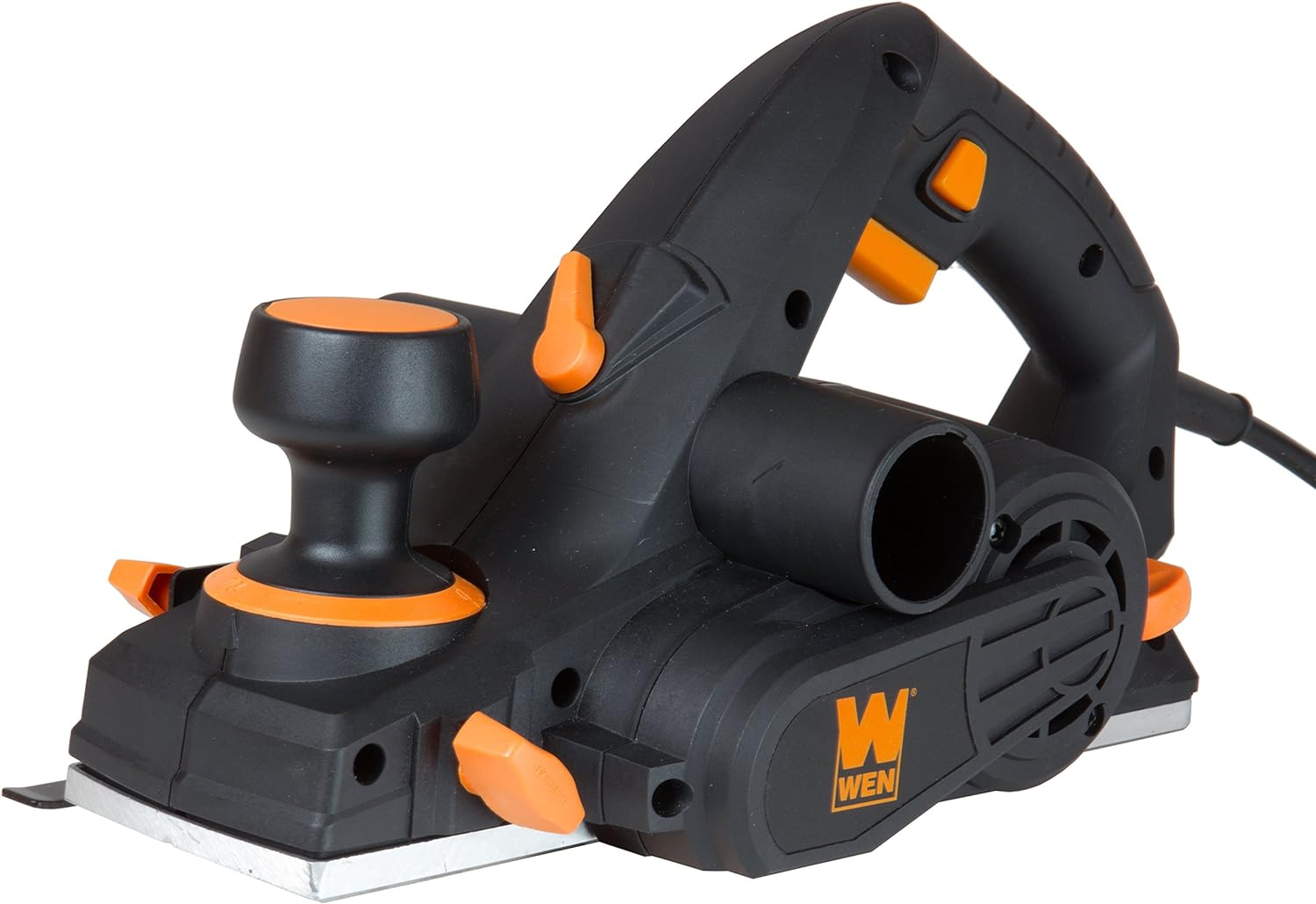
Choosing a wood router can feel overwhelming with the variety of base styles, sizes, and features available. This guide explains the core differences between fixed-base and plunge routers, the role of compact trim routers, and why collet size matters for bit stability. You will also learn about essential features like variable speed, soft start, and depth adjustment, plus critical safety practices for routing.
What a Router Does and Who It Suits
A router is a high-speed spinning tool used to hollow out, shape, or edge wood. It is a staple in any woodworking shop, whether you are building cabinets, cutting dadoes, making decorative moldings, or trimming laminate. Beginners can start with a simple fixed-base router for edge work, while intermediate hobbyists often add a plunge base or a combo kit for more complex joinery. Compact trim routers are popular for light-duty tasks and for working in tight spaces.
Main Types of Routers
Fixed-Base Router
A fixed-base router has a motor that is locked into a fixed position relative to the base. You set the depth of cut before starting the tool, and it stays constant during the operation. This design is straightforward and generally offers good stability for edge routing and template work. Fixed-base routers are often lighter and less expensive than plunge routers, making them a good choice for beginners who mainly do edge profiles and simple joinery.
Plunge Router
A plunge router has a spring-loaded motor that you push down into the workpiece. You can lower the bit into the material while the router is running, which is essential for starting cuts in the middle of a board (for example, cutting mortises or grooves). Plunge routers also allow you to make incremental depth adjustments without stopping. Many woodworkers prefer them for dadoes, hinge mortises, and any operation where you need to start the cut away from the edge.
Combo Kits (Fixed + Plunge Base)
Many routers are sold as combo kits that include both a fixed base and a plunge base that share the same motor. This gives you the versatility of both styles without buying two separate tools. Switching bases usually takes just a few seconds. Combo kits are a cost-effective way to cover most routing tasks, though they tend to be heavier than a dedicated trim router.
Compact Trim Router
Trim routers are smaller, lighter, and usually accept only 1/4-inch collets. They are designed for light trimming, flush-cutting laminate, and small edge work. Their compact size makes them easy to handle with one hand, and they are often used for detail work and for rounding over edges on small projects. Trim routers typically have less power than full-size routers and are not suited for large bits or deep cuts.
Features That Actually Matter
Collet Size and Bit Shank Stability
The collet is the part that holds the router bit. The two most common collet sizes are 1/4 inch and 1/2 inch. A 1/2-inch collet accepts bits with a 1/2-inch shank, while a 1/4-inch collet accepts 1/4-inch shanks. Larger shanks are stiffer and less prone to vibration, especially with large-diameter bits or when taking heavy cuts. For bits over 1 inch in diameter, a 1/2-inch shank is strongly recommended. Many full-size routers come with both collets or have a removable sleeve to switch between sizes. Trim routers only use 1/4-inch collets.
Variable Speed
Variable speed lets you adjust the RPM of the router to match the bit size and material. Large bits (over 2 inches in diameter) should be run at lower speeds to reduce vibration and heat buildup. A common rule of thumb is to reduce speed as bit diameter increases. Always check the bit manufacturer’s recommended speed range. Variable speed is a valuable feature for any router used with a variety of bits.
Soft Start
Soft start gradually ramps up the motor speed when you pull the trigger, reducing the torque jerk that can cause the router to lurch. This makes starting a cut smoother and safer, especially with large bits. Most mid-range and higher-end routers include soft start.
Depth Adjustment
Fixed-base routers typically have a threaded ring or a rack-and-pinion mechanism for adjusting depth. Plunge routers have a depth-stop rod and turret that allows you to set multiple depths for incremental passes. Precise depth adjustment is critical for joinery and for avoiding tear-out. Look for a system that is easy to read and locks securely.
Edge Guides and Guide Bushings
An edge guide is a fence that attaches to the router base to guide the tool along the edge of a workpiece. It is essential for cutting straight grooves or following a template. Guide bushings are rings that fit into the base plate and ride along a template, allowing you to follow patterns accurately. Many routers come with an edge guide; guide bushings are often sold separately or as a kit.
Feed Direction
Always feed the router against the rotation of the bit. On a hand-held router, the bit spins clockwise when viewed from above. You should move the router from left to right along the workpiece (or counterclockwise around the outside of a board). Feeding in the wrong direction can cause the router to grab and climb, leading to loss of control. Practice on scrap to get a feel for the correct direction.
Taking Shallow Passes
For clean cuts and to reduce strain on the router and bit, take multiple shallow passes rather than one deep cut. A common recommendation is to remove no more than 1/8 inch of material per pass for most bits. For large bits or hardwoods, even shallower passes are advisable. Plunge routers with a depth-stop turret make it easy to step down in increments.
Sizing, Fit, and Compatibility
Routers are generally categorized by motor power and collet size. Full-size routers (often called “full-sized” or “standard”) have motors around 2 to 3-1/4 horsepower and accept both 1/4-inch and 1/2-inch collets. They can handle large bits and heavy cuts but are heavier. Compact routers (trim routers) have smaller motors, typically around 1 to 1-1/2 horsepower, and only accept 1/4-inch collets. They are lighter and easier to maneuver. Combo kits bridge the gap by offering two bases for one motor.
When choosing a router, consider the type of work you plan to do. If you primarily do edge profiling and light joinery, a fixed-base router or a trim router may suffice. If you need to cut mortises, grooves, or do template work, a plunge router or combo kit is more versatile. For heavy-duty work with large bits, a full-size router with a 1/2-inch collet is essential.
Common Buying Mistakes
- Ignoring collet size: Buying a router that only accepts 1/4-inch collets and then trying to use large bits can lead to vibration and poor results. If you plan to use large bits, choose a router that accepts 1/2-inch collets.
- Overlooking variable speed: Using large bits at full speed can cause burning and bit failure. Variable speed is a must if you use a range of bit sizes.
- Choosing power over ergonomics: A heavy, high-horsepower router can be tiring to use for long periods. Consider the weight and handle design, especially if you plan to do edge routing on large panels.
- Skipping the plunge base: If you ever need to start a cut in the middle of a board, a fixed-base router alone is very limiting. A combo kit or separate plunge router is worth the investment.
- Not checking depth adjustment ease: Some routers have awkward depth adjustment mechanisms that are hard to set accurately. Test the depth adjustment in the store if possible.
Care, Cleaning, and Upkeep
Keep the collet and the bit shank clean. Resin buildup can cause bits to slip or not seat properly. Use a collet cleaning brush or a solvent to remove pitch. Lubricate the plunge mechanism periodically with a light oil to keep it moving smoothly. Always store bits in a case or rack to protect the cutting edges. Check the power cord for damage and replace if frayed. For fixed-base routers, ensure the depth lock mechanism is clean and tight.
When changing bits, always unplug the router or remove the battery. Insert the shank at least 3/4 of the way into the collet, then tighten the collet nut securely. Do not overtighten; follow the manufacturer’s instructions. A loose bit can cause serious injury.
Top Picks to Compare
If you would rather start from a short list, these are popular options on Amazon for this search. Check each listing’s details, size and current price before you buy.


FAQ
Can I use a 1/2-inch bit in a 1/4-inch collet router?
No. A 1/2-inch shank bit will not fit into a 1/4-inch collet. You would need a router that accepts 1/2-inch collets or use a bit with a 1/4-inch shank. Many full-size routers include a reducer sleeve for 1/4-inch bits, but nothing lets a 1/2-inch shank fit a 1/4-inch collet.
Do I need a plunge base for edge routing?
No, a fixed-base router is perfectly fine for edge routing. Plunge bases are mainly for starting cuts in the middle of a workpiece. For edge work, a fixed base offers stability and simplicity.
What is the advantage of a trim router over a full-size router?
A trim router is lighter, more compact, and easier to handle for small tasks like laminate trimming, rounding over edges on small projects, and light detail work. It is not a replacement for a full-size router when you need power or the ability to use large bits.
How do I know which feed direction is correct?
On a hand-held router, the bit spins clockwise. You should move the router from left to right (or counterclockwise around the outside of a board). This pushes the router against the workpiece rather than pulling it away. Always practice on scrap first.
Choosing the right router depends on your projects and preferences. A fixed-base router is great for edge work, a plunge router or combo kit adds versatility for joinery, and a trim router handles light tasks. Pay attention to collet size, variable speed, and depth adjustment. Always prioritize safety by unplugging before bit changes, clamping work securely, and wearing eye and hearing protection. For more on router techniques and other woodworking tools, explore our router section and the broader woodworking tools page. If you are also considering planers, see our thickness planer guide for matching stock thickness.