When you own a home, small repairs, hanging pictures, and furniture assembly are part of routine life. A basic tool kit does not have to be large or expensive, but it should cover the jobs you will actually do. This checklist walks you through the essential hand tools, measuring and marking tools, your first power tool, safety gear, storage, and what you can leave for later.
Start with Hand Tools
Most homeowner tasks start with a handful of reliable hand tools. Choose tools that feel comfortable in your hand and are built well enough to last. You do not need a professional-grade set, but the cheapest versions often wear out quickly and make simple work harder.
| Tool | Common Homeowner Jobs |
|---|---|
| Claw hammer | Driving and pulling nails, hanging pictures, assembling furniture |
| Screwdrivers | Turning screws in switch plates, cabinet hardware, and small repairs |
| Pliers | Gripping, bending, cutting wire, and holding small parts |
| Adjustable wrench | Turning nuts and bolts, tightening fittings |
| Utility knife | Opening boxes, cutting drywall, scoring plastic and trim |
For screwdrivers, get at least one Phillips and one flathead in a few common sizes. A #2 Phillips and a medium flathead are good starting points. For pliers, slip-joint and needle-nose styles cover most household needs. An adjustable wrench around 6 inches handles many nuts and bolts without requiring an entire wrench set. A retractable utility knife keeps the blade covered when not in use.
A basic hammer is not the place to save money. A poorly balanced hammer makes driving nails harder and can cause sore wrists. You may also want a small set of hex keys, since they are often included with furniture but are easy to lose. A compact Allen wrench set covers a lot of assembly work and takes almost no space.
Measuring and Marking
Before you drill or cut, you need to measure and mark your work. A 25-foot tape measure is a common homeowner size and is long enough for most rooms. Look for a tape with a lock and a belt clip so you can measure by yourself. A level, such as a 2-foot model, helps keep shelves, hooks, and pictures straight. A pencil is the simplest marking tool, and a standard carpenter’s pencil works well for lines on wood or drywall.
A stud finder is one of the most useful tools for homeowners, especially for mounting shelves, TVs, or curtain rods. It helps you locate framing behind drywall so you can anchor heavy items securely. If you want to learn the manual method, a stud finder guide can show you how to find studs without a tool as well. A basic stud finder is inexpensive and much faster than guessing.
Your First Power Tool
The first power tool most homeowners should buy is a cordless drill/driver. It drills holes and drives screws, which are two things you will do again and again. A compact drill/driver with a built-in clutch lets you adjust torque so you do not strip screws or sink them too deep. For more details, read this guide on how to choose a cordless drill for home use.
Because a cordless drill uses a rechargeable battery, choose one that feels balanced in your hand. A 12-volt or 18-volt class model is enough for most homeowner tasks. Look for a two-speed gearbox, a keyless chuck, and an electric brake. The brake stops the chuck quickly when you release the trigger, which helps when driving screws. If you expect to add more power tools later, sticking with one battery platform from a single manufacturer keeps everything compatible.
Bits and Fasteners
Your drill is only as useful as the bits you pair with it. Start with a basic set that includes:
- Phillips and flathead screwdriver bits
- Twist drill bits in common sizes
- A countersink bit to keep screws below the surface
Keep bits organized in a small case or holder. Loose bits in a drawer tend to get lost. Fasteners matter just as much. Keep a small assortment of wood screws, drywall screws, and plastic wall anchors. A selection of picture-hanging hooks and wire is also helpful. When in doubt about which fastener to use, check the manufacturer’s instructions for the product you are installing.
Safety Gear
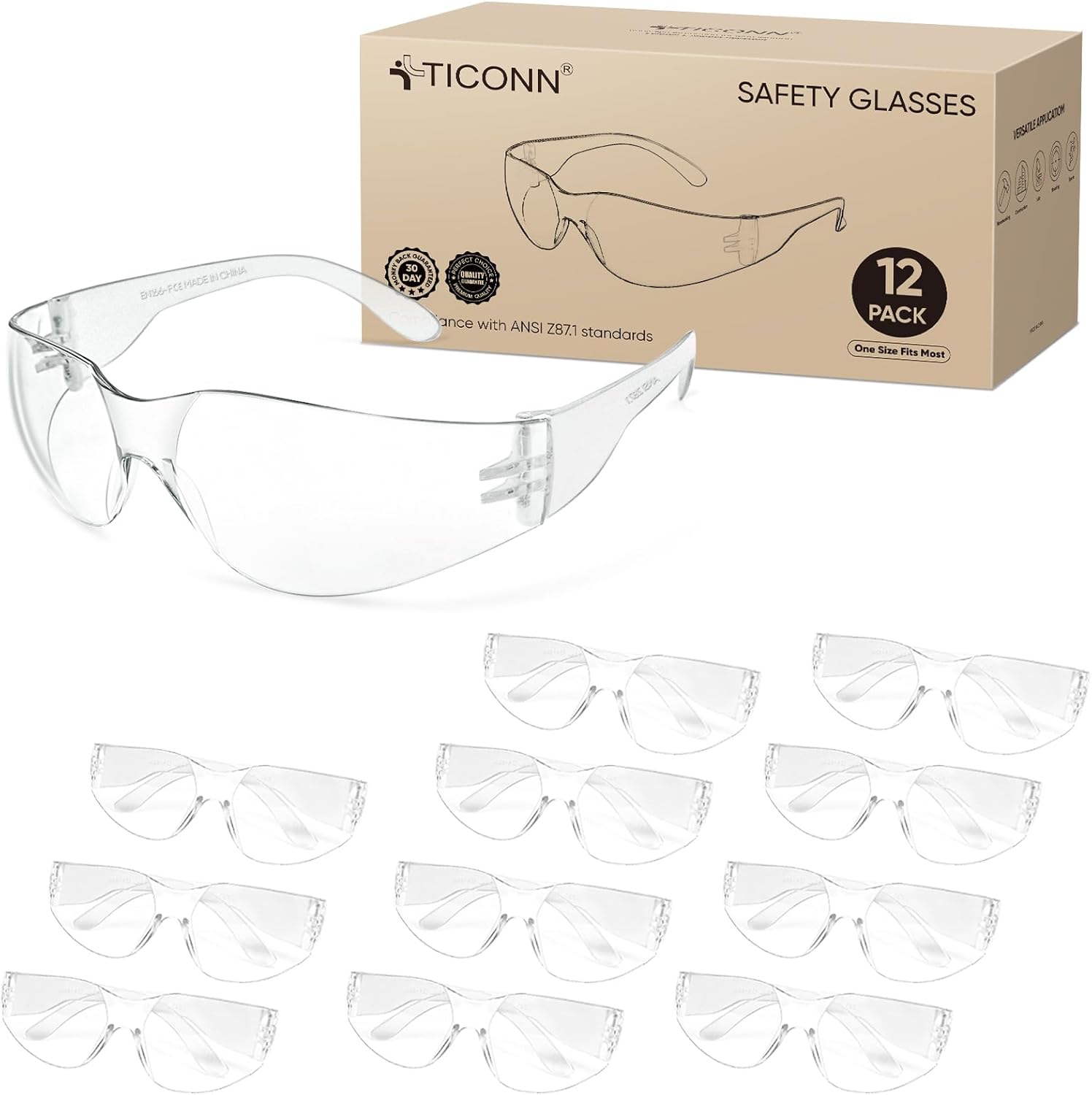
Safety gear belongs in every beginner tool kit. Always read and follow the manual for each tool. Wear eye protection to keep dust and debris out of your eyes. Even light drilling can create dust, so eye protection should be your default. Hearing protection is smart for loud tools such as circular saws or hammer drills. A dust mask or respirator helps when sanding, drywall work, or cutting wood. Work gloves give you a better grip and protect your skin when handling materials.
Keep guards in place on every tool. Unplug or remove the battery before changing bits or blades. Clamp small work pieces instead of holding them by hand, and never remove a safety feature from a tool. For more detail, check this power tool safety gear guide. If your home has electrical problems beyond plugging in a tool, call a licensed electrician rather than working on outlets or circuits yourself.
Storage
Keep your tools in one place so they are easy to find. Store your daily-use tools in a tool bag or a small toolbox. A tool bag is lightweight and easy to carry, while a toolbox offers more structure and protection. If you carry tools between rooms, a bag with outside pockets for bits and small parts is handy.
Use a small parts organizer for screws, anchors, and picture hooks. This keeps the bag from becoming a jumble of loose hardware. As your collection grows, a pegboard or shelf in a closet or garage keeps tools visible and out of the way.
Pre-Made Kits or Build Your Own
Pre-made kits are a quick way to start. They usually include a selection of hand tools in a case or bag, and pre-made home tool kits can be convenient for someone who wants one box with everything. However, check the contents carefully. Many kits include pieces you may never use, and the quality can vary. Even if a pre-made kit includes a bag or case, you may still want to add your own drill/driver, since many kits focus on hand tools.
Building your own kit lets you spend your money on the tools you will actually need. It also allows you to pick higher-quality versions of the items you use most. For a complete list of what to consider, take a look at these beginner DIY tool kits suggestions.
What Not to Buy Until You Need It
Specialty tools are tempting, but they quickly take up space if you buy them without a specific use in mind. A pipe wrench, soldering iron, or heat gun is only useful when you actually do plumbing, wiring, or shrink tubing work. Wait until a project requires the tool, then buy what you need for that job.
The same applies to larger power tools. A circular saw, jigsaw, or oscillating multitool is great, but a beginner does not need them all on day one. Avoid buying a full router or power saw until you have a defined project. The same is true for specialty fasteners and bits. Start with the basics, and add tools as your home projects become more demanding.
FAQ
Should I buy a toolbox or a tool bag?
A tool bag is lightweight and easy to carry, while a toolbox offers more protection for heavier tools. Many homeowners start with a bag and add a toolbox later if they need more structure.
How many screwdrivers do I need?
Start with one Phillips and one flathead in a couple of common sizes. You can add more when a specific repair needs them.
Should I buy a corded or cordless drill?
For most homeowners, a cordless drill/driver is the best choice because it works anywhere and is easy to store. A corded drill is fine if you have a nearby outlet and want unlimited runtime, but it is less convenient.
Can I buy a pre-made kit and add tools later?
Yes. Pre-made kits can be a good starting point. As you work on projects, you will see which tools are missing, and you can buy higher-quality versions of the ones you use most.
Starting with a modest kit and adding tools as needed is the best way to avoid wasting money. Keep your tools organized, follow safety practices, and you will be ready for the most common homeowner projects.