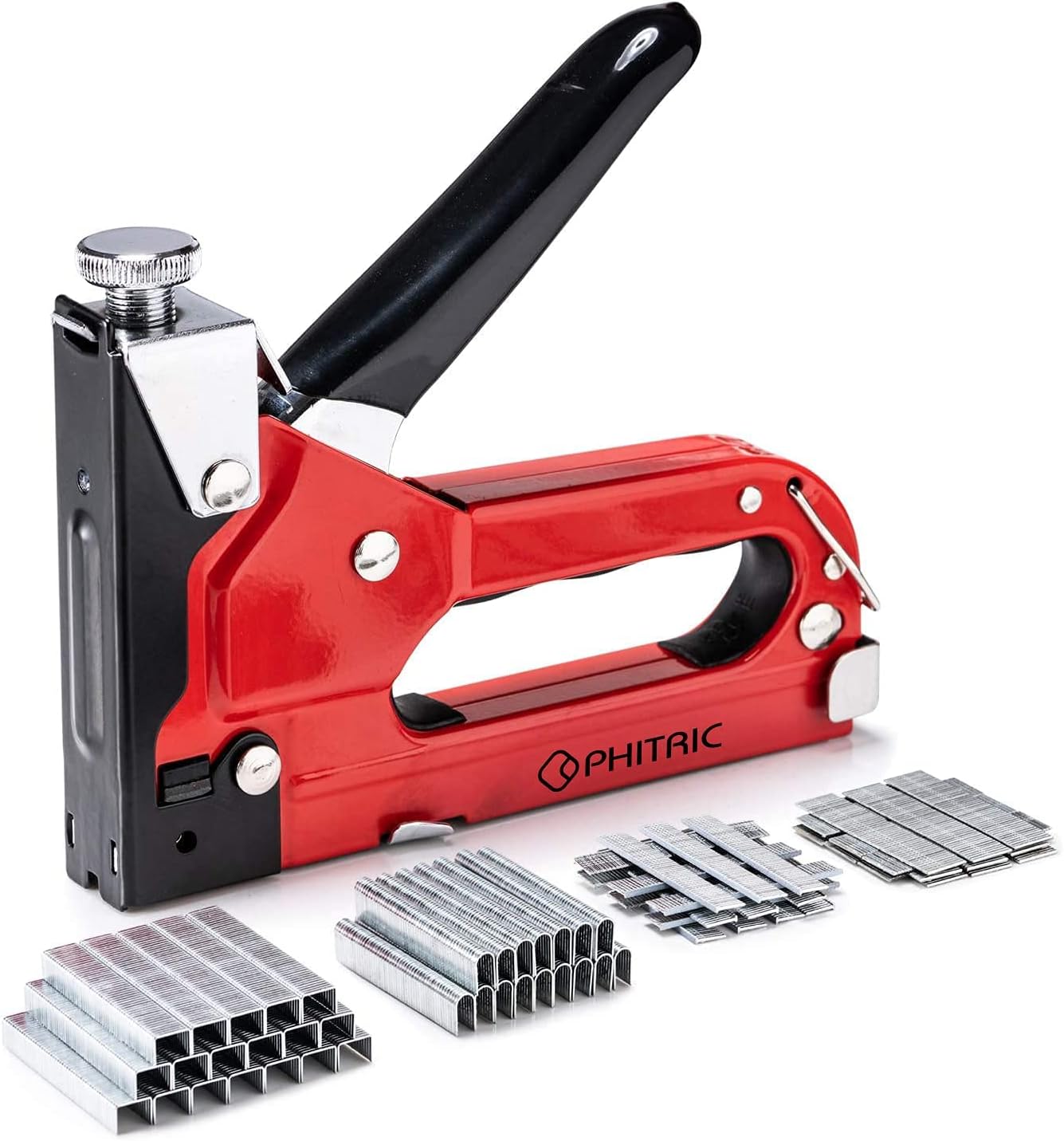
Using the correct fasteners, air fittings, and maintenance supplies is essential for getting reliable performance from your pneumatic nailer or stapler. Nails and staples come in different gauges, lengths, head styles, and coatings, and using the wrong type can cause jams, poor holding power, or even damage to the tool. Air compressor fittings also have several standards, and mismatching them can lead to air leaks or unsafe connections. This guide explains how sizing works, what to look for when choosing fasteners, how to match air fittings, and how to keep your nailer running smoothly with proper oil and storage.
Understanding Nail and Staple Sizing
Fastener sizing is based on a few key characteristics: gauge, length, head type, and collation. Understanding each of these helps you pick the right fastener for your project and your tool.
Gauge
Gauge refers to the thickness of the wire used to make the nail or staple. The numbering system is counterintuitive: a lower gauge number means a thicker fastener. For example, a 15-gauge nail is thicker than an 18-gauge nail. Thicker fasteners provide more holding strength but are more likely to split wood if placed too close to an edge. Thinner fasteners leave smaller holes and are easier to conceal, making them popular for finish work.
Common nail gauges for pneumatic tools include 15, 16, 18, and 23 gauge. Staples typically range from 18 to 20 gauge for light-duty work, with heavier 16-gauge staples used for framing and sheathing. Always check your tool’s manual to see which gauge it accepts; using a different gauge can jam the tool or damage the driver blade.
Length
Fastener length is measured from the underside of the head to the tip. Nails and staples are available in a wide range of lengths. For example, 16-gauge finish nails are commonly available in lengths from 1 inch up to 2-1/2 inches, while framing nails are commonly 2 inches to 3-1/2 inches long. The length you need depends on the thickness of the materials you are joining. A good rule of thumb is that the fastener should penetrate the base material by at least 1 inch for adequate holding power, but check your project requirements and the manufacturer’s recommendations.
Head Types
Nail heads come in several styles. Full round heads are typical for framing and sheathing nails; they provide maximum holding strength but leave a visible head. Finish nails have a small, countersunk head that can be set below the surface and filled. Brad nails have an even smaller head, almost invisible, and are used for light trim and paneling. Pin nails (23 gauge) have essentially no head and leave a tiny hole that rarely needs filling. Staples have a crown (the top part) that bridges the two legs; crown width varies, with common widths being 1/4 inch, 3/8 inch, and 1/2 inch for different applications.
Collation
Collation refers to how fasteners are held together in a strip or coil for loading into the magazine. The two main types are paper collation and wire (or plastic) collation. Paper-collated nails are glued together with a paper tape that disintegrates during driving; they are common for finish nailers. Wire-collated nails are held together by two thin wires that run along the strip; these are often used in framing nailers. Coil nails are held together by a wire or plastic coil and are used in coil nailers for high-volume work. Your tool is designed for a specific collation type and strip angle (for example, 21-degree, 30-degree, or 34-degree). Using the wrong collation can cause feeding problems.
Fastener Coatings and Materials
The coating or material of a fastener affects its corrosion resistance and how well it holds in treated lumber or outdoor conditions.
Galvanized Fasteners
Galvanized nails and staples have a zinc coating that resists rust. They are suitable for outdoor projects such as decking, fencing, and siding. Hot-dipped galvanized fasteners have a thicker, rougher coating and are the standard for pressure-treated lumber. Electro-galvanized fasteners have a thinner, smoother coating and are better for interior or less demanding exterior applications. When working with treated lumber, always use fasteners rated for that purpose; the chemicals in the wood can accelerate corrosion on uncoated steel.
Stainless Steel Fasteners
Stainless steel fasteners offer the highest corrosion resistance. They are recommended for coastal environments, near saltwater, or for any project where rust would be unacceptable. Stainless steel nails and staples are also compatible with treated lumber. They are more expensive than galvanized but provide long-term durability. Make sure your nailer is compatible with stainless steel; some tools may require a different driver or magazine adjustment due to the hardness of the material.
Coated Fasteners
Many pneumatic nails have a thin adhesive or vinyl coating that helps increase holding power. These coatings melt from friction during driving and then harden, bonding the nail to the wood. Coated fasteners are common for interior trim work and general construction. They are not a substitute for corrosion-resistant coatings in wet conditions. Some coatings are designed for specific applications, such as siding or flooring, so check the packaging.
Matching Fasteners to Your Tool
The most important step is to read the tool manual. The manufacturer specifies the exact gauge, length range, head type, collation angle, and fastener material that the tool can handle. Using fasteners outside these specifications can cause jams, misfires, or damage to the tool. Common mismatches include:
- Using a 16-gauge nail in a tool designed for 18-gauge nails – the nail will be too thick and may jam or break the driver.
- Using a paper-collated strip in a wire-collated nailer – the feeding mechanism will not engage properly.
- Using nails that are too long for the magazine – they may not feed or could protrude and cause injury.
- Using uncoated steel nails outdoors – they will rust quickly and lose holding power.
To avoid these issues, always check the label on the fastener box and compare it to your tool’s specifications. If you are unsure, consult the tool manufacturer’s website or customer support. For more details on specific nailer types, see our Finish Nailers guide and the Nailers & Fastening Tools section.
Air Compressor Fittings and Couplers
Pneumatic nailers require a compressed air supply. The connection between the air hose and the tool uses fittings and couplers that must match in type and size.
Common Coupler Types
The most common coupler type for pneumatic tools in the United States is the industrial (Type I) coupler, also known as the “M-style” or “industrial interchange.” These couplers have a 1/4-inch body and are widely used on nailers, staplers, and other air tools. Another common type is the automotive (Type T) coupler, which has a slightly different profile and is often found on tire inflators and impact wrenches. Type A, Type B, and Type C couplers are less common but still encountered. The key is that the coupler on the air hose must match the plug on the tool. If they do not match, you will need an adapter.
Hose Considerations
Air hoses come in various diameters, typically 1/4 inch, 3/8 inch, and 1/2 inch. For most finish nailers and brad nailers, a 1/4-inch hose is sufficient. For framing nailers that require higher air volume, a 3/8-inch hose is recommended to prevent pressure drop. The hose material (rubber, polyurethane, or PVC) affects flexibility and durability. Rubber hoses are heavy but durable; polyurethane hoses are lightweight and flexible but can kink; PVC hoses are inexpensive but stiff in cold weather. Choose a hose that is rated for the maximum pressure of your compressor.
Matching Fittings
When connecting a nailer to an air hose, you will typically have a male plug on the tool and a female coupler on the hose. If the coupler does not fit the plug, you can replace either the coupler or the plug. Many compressors come with a universal coupler that accepts multiple plug types, but for a reliable, leak-free connection, it is best to use matching industrial-style components. Always use fittings rated for the pressure of your system. For more on fastening accessories, visit our Nails, Staples & Fastening Accessories page.
Pneumatic Tool Oil and Maintenance
Proper maintenance extends the life of your nailer and ensures consistent performance.
Pneumatic Tool Oil
Many pneumatic nailers require a few drops of lightweight pneumatic tool oil before each use or after every few hours of operation. The oil lubricates the internal cylinder, piston, and O-rings, reducing wear and preventing sticking. Check your tool manual to see if oil is recommended. Some tools are oil-free and should not be oiled. Use only oil specifically designed for pneumatic tools; other oils can damage seals or gum up the mechanism. To oil the tool, place a few drops into the air inlet (where the air hose connects) and then cycle the tool a few times to distribute the oil. Alternatively, some users install an inline oiler on the air hose for automatic lubrication.
Storing Fasteners Dry
Nails and staples are packaged in cardboard boxes or plastic strips. Moisture can cause rust, which leads to jams and poor driving. Store fasteners in a dry area, away from humidity and direct contact with concrete floors. If you live in a humid climate, consider keeping them in a sealed plastic container with a desiccant pack. Never use rusty or corroded fasteners in your nailer; they can damage the driver and jam the magazine. Also, avoid leaving fasteners in the tool for long periods when not in use, as the magazine spring can lose tension and the fasteners may become bent.
General Maintenance Tips
Keep the nailer clean by wiping off dust and debris after each use. Inspect the driver blade and nosepiece for wear. If you notice frequent jams or inconsistent driving, check the manual for troubleshooting steps. Always disconnect the air supply before clearing jams or performing maintenance. Wear safety glasses when operating any nailer. For additional guidance, refer to the tool manual and our Nailers & Fastening Tools section.
FAQ
What happens if I use the wrong gauge nail in my nailer?
Using a nail that is too thick for the tool can jam the magazine, damage the driver blade, or cause the nail to bend during driving. Using a nail that is too thin may not feed properly and can result in poor holding power. Always use the exact gauge specified in your tool manual.
Can I use galvanized nails in a pneumatic nailer?
Yes. Galvanized nails are sold in the same collations as bright nails, so match the gauge, length and collation listed in your manual. Stainless steel nails are harder, so check the manual before using them.
Do I need to oil my nailer every time I use it?
If your manual recommends oiling, you should add a few drops of pneumatic tool oil before each use or after every hour of operation. Some tools have an oil-free design and should not be oiled. Over-oiling can attract dust and cause buildup. Follow the manufacturer’s instructions.
How should I store staples and nails to prevent rust?
Keep fasteners in a dry, climate-controlled area. Avoid storing them in damp basements or garages where humidity is high. If the original packaging is damaged, transfer them to a sealed plastic container with a silica gel desiccant. Never use rusty fasteners in your tool.
Choosing the right nail and staple sizes, matching air fittings correctly, and maintaining your pneumatic nailer with proper oil and dry storage will save you time and frustration. Always start by reading your tool manual and the fastener packaging. With the right supplies, your nailer will deliver clean, reliable results on every project.