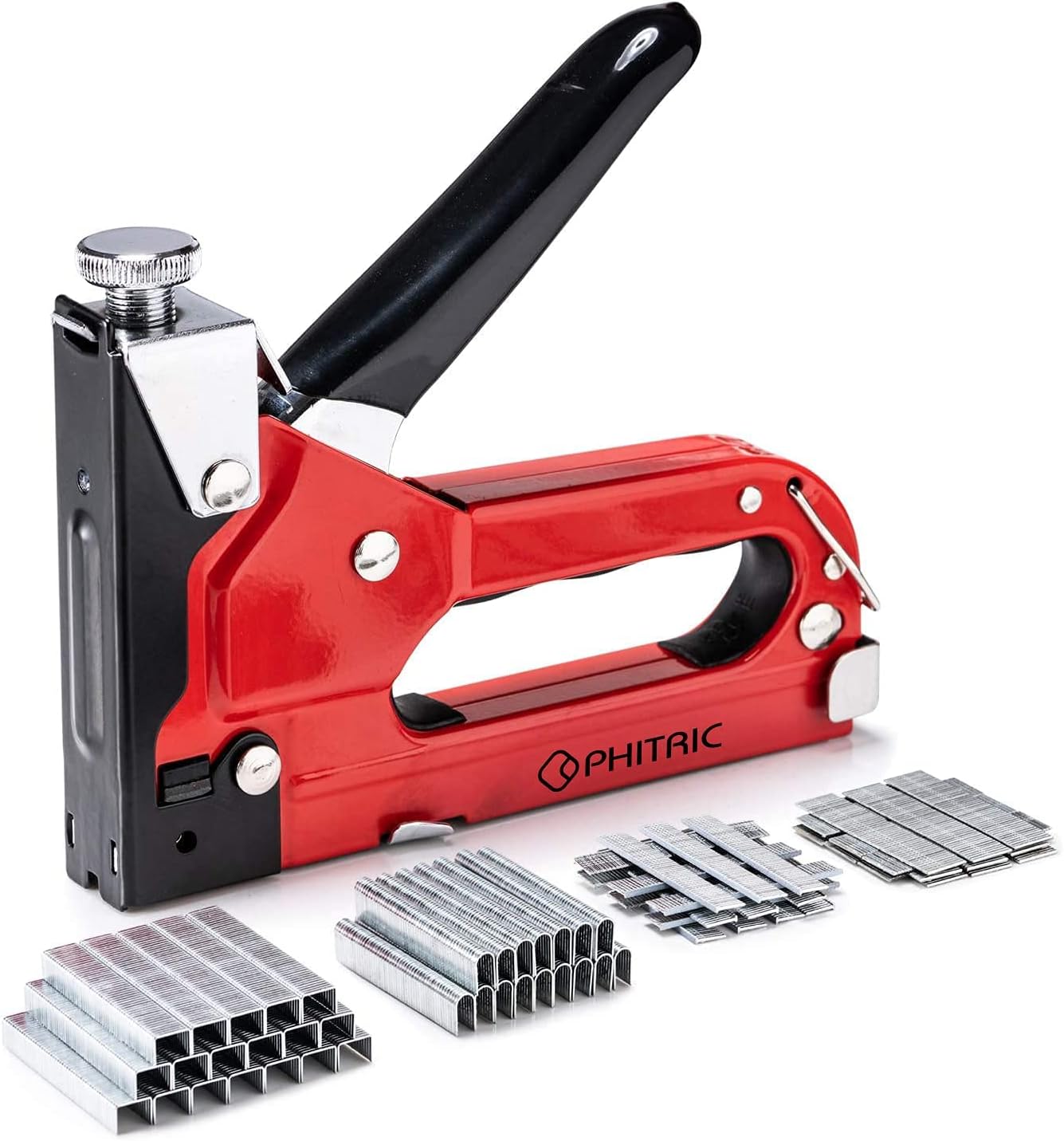
Nail guns are powerful tools that can dramatically speed up framing, trim work, and other fastening projects. But with that speed comes the need for careful respect. This guide covers the safety fundamentals every DIYer should know before pulling the trigger, from choosing the right trigger system to handling jams and preventing ricochet.
Understand Your Nail Gun’s Trigger System
The trigger mechanism on a nail gun is one of the most important safety features. There are two common types: sequential (also called single sequential or trigger-fire) and contact (also called bump-fire). Understanding the difference can prevent unintentional discharges that cause serious injury.
Sequential trigger: To fire a nail, you must first depress the safety nose (the tip of the tool) against the work surface, then pull the trigger. After each nail, you must release the trigger and lift the tool before you can fire again. This two-step process makes accidental firing much less likely. Safety organizations such as NIOSH and OSHA recommend the sequential trigger for inexperienced users and for most general applications.
Contact trigger: With a contact trigger, you can fire a nail by holding the trigger down and bouncing the nose against the surface. Each bounce fires a nail. This allows very fast repetitive nailing, but it also increases the risk of firing a nail unintentionally if the tool bumps something while you are carrying it or if your finger is on the trigger. Contact triggers are common on framing nailers used by professionals who have extensive training, but they are not recommended for beginners.
If you are buying or renting a nail gun, look for a sequential trigger model. Many tools allow you to switch between modes; if yours does, keep it in sequential mode until you have significant experience. Always check the manufacturer’s instructions to confirm how your tool’s trigger works.
Wear the Right Personal Protective Equipment (PPE)
Nail guns can launch fasteners at high speed, and debris or a deflected nail can cause eye or hearing damage. Do not operate a nail gun without the following gear:
- Safety glasses or goggles. Impact-rated eyewear is essential. A ricocheting nail or a piece of wood splinter can travel toward your face. Wear side shields or wrap-around goggles for full protection.
- Hearing protection. Pneumatic nail guns, especially framing nailers, produce loud bursts of noise. Repeated exposure can damage your hearing. Use earplugs or earmuffs rated for impulse noise.
- Dust mask or respirator. If you are working with treated lumber, cutting wood, or in dusty conditions, wear a mask rated for fine particles. Some wood treatments contain chemicals that should not be inhaled.
- Hard hat. When nailing overhead or in tight spaces, a hard hat protects you from falling objects or accidental contact with overhead structures.
- Sturdy boots and gloves. Boots with slip-resistant soles help you keep your footing. Gloves protect against splinters and sharp edges, but be aware that loose-fitting gloves can get caught in moving parts. Choose snug-fitting work gloves and keep them away from the nail path.
Keep Your Hands and Body Away from the Nail Path
A nail can exit the side of the material, pass completely through thin stock, or ricochet off a hidden knot or metal object. Never place your free hand or any part of your body behind or near the spot where a nail is being driven. Use clamps, a workbench, or a helper to hold the workpiece steady. When nailing into studs or joists, position yourself so that if the nail goes through, it does not hit your hand or leg.
Be especially careful when nailing near the edge of a board or into end grain. The nail can deflect and come out the side. Always aim the tool perpendicular to the surface and ensure the nose is fully depressed before firing.
Disconnect Power Before Clearing Jams
Nail jams happen when a fastener gets stuck in the magazine or the firing mechanism. Clearing a jam is a common task, but it is also a moment when many injuries occur. Always disconnect the power source before you open the tool:
- Pneumatic nail guns: Disconnect the air hose and bleed any residual pressure from the tool. Some tools have a release button; follow the manual.
- Cordless (battery) nail guns: Remove the battery completely. Do not rely on a safety switch alone.
- Electric nail guns: Unplug the tool from the outlet.
After disconnecting, follow the manufacturer’s procedure to clear the jam. Never force the mechanism or use tools that could damage the internal parts. For a detailed walkthrough, see the article on nail gun jams and misfires.
Watch Out for Knots and Metal
Driving a nail into a knot in the wood can cause the nail to bend, break, or deflect unpredictably. The nail may shoot out sideways or ricochet back toward you. Avoid nailing directly into knots. If you must fasten near a knot, pre-drill a pilot hole or use a screw instead.
Metal objects hidden in the wood are another hazard. Old nails, screws, rebar, or metal plumbing can cause the nail to ricochet violently. Scan the surface for signs of metal, such as rust stains or previous fastener heads. Use a stud finder with metal detection if you are nailing into walls or ceilings. When working with reclaimed or treated lumber, inspect each piece carefully.
Prevent Ricochet and Flyaway Nails
Ricochet occurs when a nail hits a hard surface at an angle or fails to penetrate fully. To minimize the risk:
- Always hold the nail gun perpendicular to the work surface. Angled shots are more likely to deflect.
- Ensure the nose is fully depressed before pulling the trigger. Partial contact can cause the nail to skip across the surface.
- Use the correct nail length for the material. A nail that is too long can exit the far side; one that is too short may not hold and can become a projectile.
- Be aware of what is behind the material. Do not nail into a wall that has people, pets, or valuable objects on the other side. In tight spaces, use a nail stop or a block of wood behind the workpiece to catch any through-nails.
Receive Proper Training and Read the Manual
Before using any nail gun, read the owner’s manual from cover to cover. Pay attention to the sections on safety features, recommended air pressure (for pneumatic tools), battery usage, and maintenance. If you borrow or rent a tool, ask the owner or rental center to explain the controls and safety devices.
Practice on scrap material before starting your project. Learn how the trigger responds, how to adjust depth, and how to reload the magazine safely. Never use a nail gun when you are tired, distracted, or under the influence of alcohol or medication that causes drowsiness. If you are teaching someone else, supervise them closely until they demonstrate safe habits.
Step-by-Step Safety Checklist
Use this checklist before, during, and after each session with a nail gun.
| Phase | Actions |
|---|---|
| Before use | Inspect the tool for damage, wear, and proper lubrication. Confirm the trigger type is set to sequential if available. Put on all PPE. Clear the work area of tripping hazards and bystanders. Verify that the air compressor (if pneumatic) is set to the recommended pressure range. |
| During use | Keep your free hand away from the nail path. Maintain a firm grip on the tool. Never carry the nail gun with your finger on the trigger. Disconnect the power source when reloading or adjusting the tool. If the tool misfires, wait a few seconds before investigating; a delayed fire can occur. |
| After use | Remove all remaining fasteners from the magazine. Disconnect the air hose or remove the battery. Store the tool in a dry, secure place out of reach of children. If the tool has a lock-out feature, engage it. |
Common Mistakes
Even experienced users can fall into unsafe habits. Watch out for these common errors:
- Using a contact trigger without adequate training. The contact trigger is not a beginner tool. Stick with sequential until you have driven hundreds of nails safely.
- Skipping eye or hearing protection. One ricochet can change your vision for life. Hearing damage is cumulative and permanent.
- Firing into knots or metal. Always inspect the material before nailing.
- Clearing a jam without disconnecting power. This is one of the most frequent causes of nail gun injuries.
- Carrying the tool with your finger on the trigger. Always carry a nail gun by the handle with your finger outside the trigger guard.
- Using the wrong nail size or type. A nail that is too long can blow through the material; a nail that is too short may not hold and can become a projectile. Consult the nail and staple sizes guide to match fasteners to your material.
Troubleshooting Safety-Related Issues
If your nail gun is not behaving as expected, stop using it immediately. Here are a few common problems and their safe solutions:
- Nail does not sink fully. For pneumatic tools, check that the air compressor is set within the tool’s recommended range. For cordless tools, the battery may be low or the depth adjustment may need tweaking. Never increase air pressure beyond the tool’s maximum rating.
- Nail jams frequently. This could be caused by using the wrong fastener size, damaged nails, or a dirty magazine. Disconnect power, clear the jam, and inspect the nails. Use only high-quality fasteners designed for your tool.
- Tool double-fires or fires without touching the surface. This indicates a problem with the trigger or safety mechanism. Stop using the tool and have it serviced by a qualified technician. Do not attempt to repair internal safety parts yourself.
For more help with jams and misfires, see the detailed guide on nail gun jams and misfires.
FAQ
What is the difference between sequential and contact trigger?
A sequential trigger requires you to press the nose against the work surface and then pull the trigger for each nail. A contact trigger allows you to hold the trigger down and fire nails by bumping the nose against the surface. Sequential is safer for most users because it reduces the chance of an accidental discharge.
Can I use a nail gun without eye protection?
No. Nail guns can cause nails to ricochet or break, sending debris toward your eyes. Safety glasses or goggles rated for impact are mandatory. Hearing protection is also strongly recommended.
How do I safely clear a jam?
Always disconnect the power source first: remove the battery, unplug the tool, or disconnect the air hose and bleed remaining pressure. Then follow the manufacturer’s instructions to open the jammed area and remove the stuck fastener. Never use excessive force or insert tools that could damage the mechanism.
What should I do if a nail ricochets?
Stop work immediately and assess the situation. Check yourself and anyone nearby for injuries. Identify what caused the ricochet (a knot, metal, or angled shot) and remove that hazard before continuing. Wear eye protection at all times to guard against future ricochets.
Nail gun safety is about respect and preparation. By understanding your tool’s trigger system, wearing the right PPE, keeping your hands clear, and following proper procedures for jams and material inspection, you can complete your projects safely and confidently. Always read and follow the manufacturer’s instructions, and never hesitate to seek additional training if you are unsure about any aspect of operation.